Podocarpus Bonsai Care Guide: Tips for Healthy Growth

InBonsai Team
March 22, 2026 · 8 min read
Podocarpus bonsai (Buddhist pine) is growing in popularity thanks to its graceful silhouette, year-round glossy foliage, and significant feng shui symbolism. But knowing exactly how to care for a Podocarpus bonsai makes all the difference between a struggling tree and a thriving one. From choosing the right location and watering frequency to pruning techniques — every factor directly impacts its health and longevity. This guide walks you through each step so your Podocarpus bonsai stays lush and beautiful for years to come.
What Is Podocarpus Bonsai?
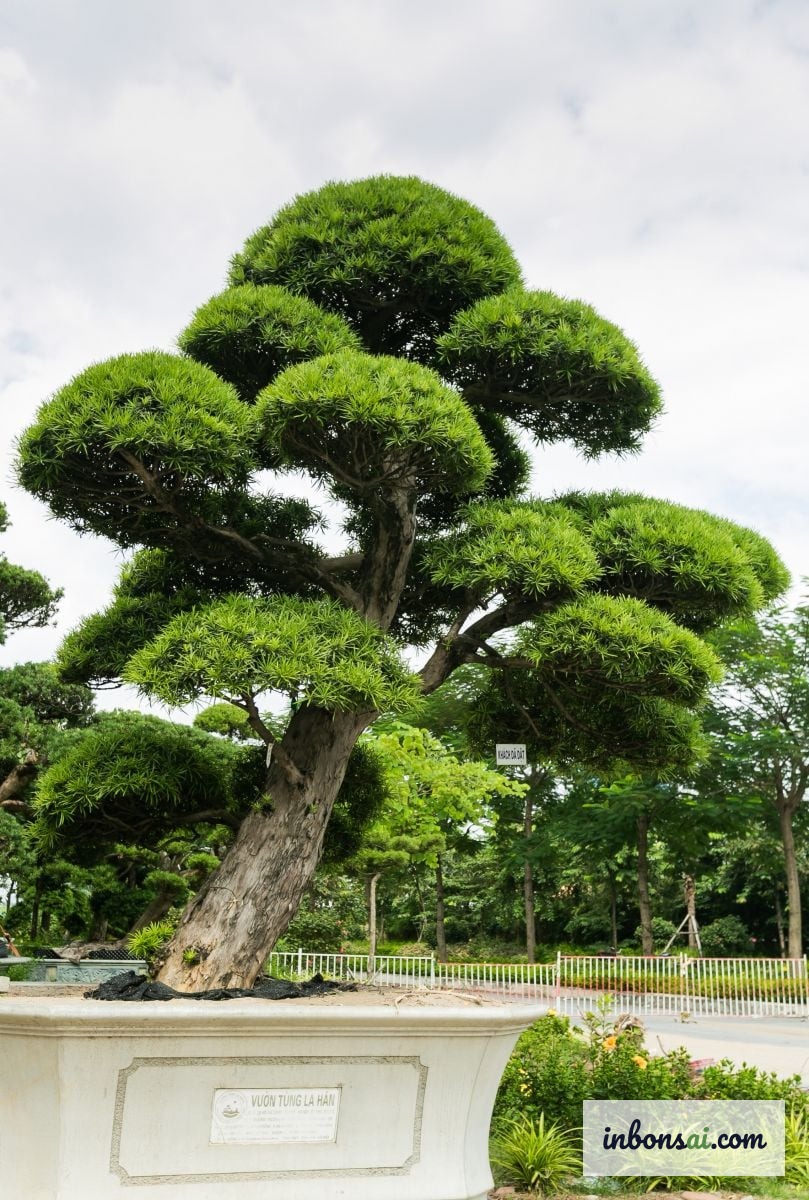
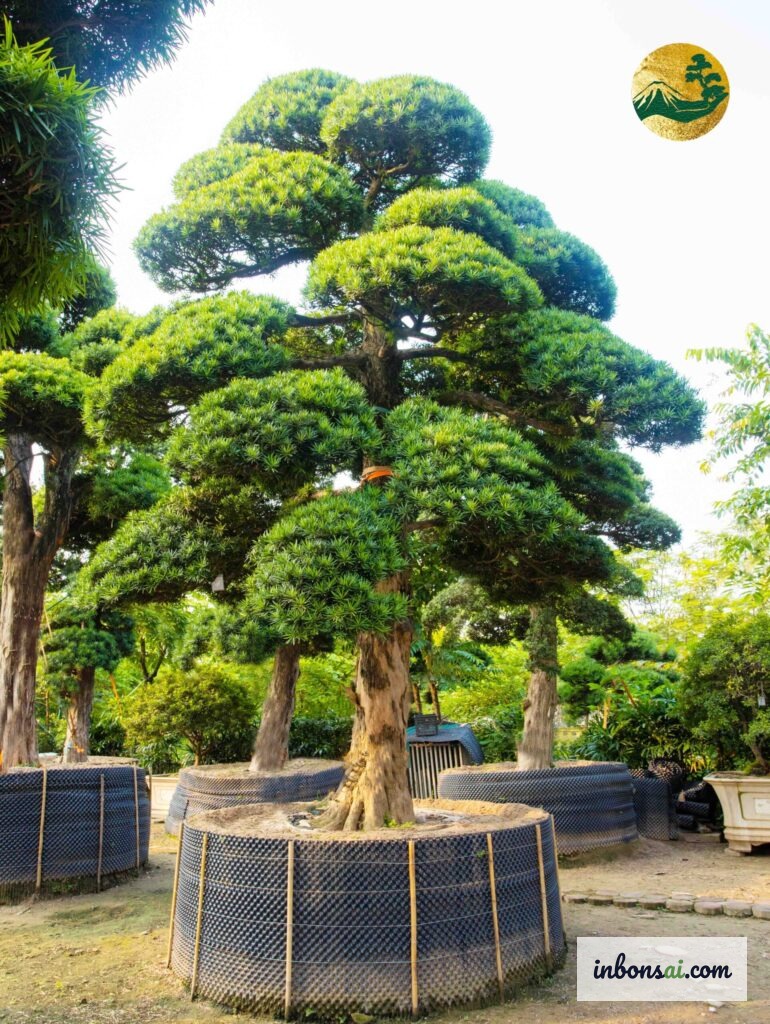
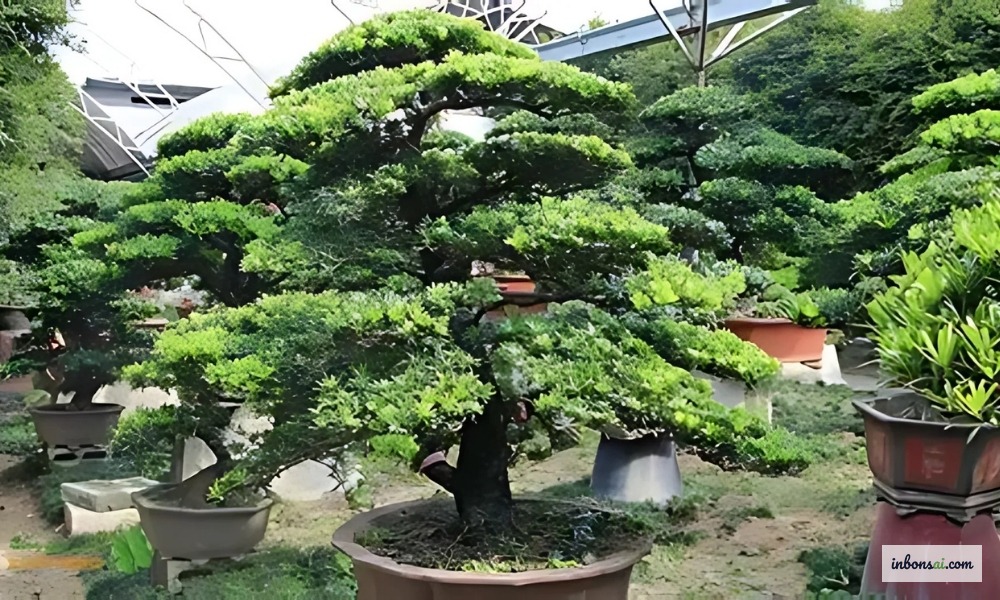
Podocarpus (Podocarpus macrophyllus), commonly known as Buddhist pine or yew plum pine, is a conifer in the family Podocarpaceae, native to China, Japan, and parts of Southeast Asia. In Vietnam, it is called “tùng la hán” because each cluster of leaves resembles a seated Arhat (la hán) — a figure from Buddhist tradition.
Its standout features include long, flat, deep-green glossy leaves, slow growth, and exceptional longevity — some ancient specimens have lived for hundreds of years. The reddish-brown bark exfoliates naturally with age, creating a dignified, textured appearance ideal for traditional bonsai aesthetics.
Importantly, Podocarpus is one of the best shade-tolerant species for bonsai — it doesn’t require as much direct sunlight as many other species. This makes it an excellent choice for indoor spaces, balconies, and offices where natural light is limited.
Why Is Podocarpus Ideal for Bonsai?
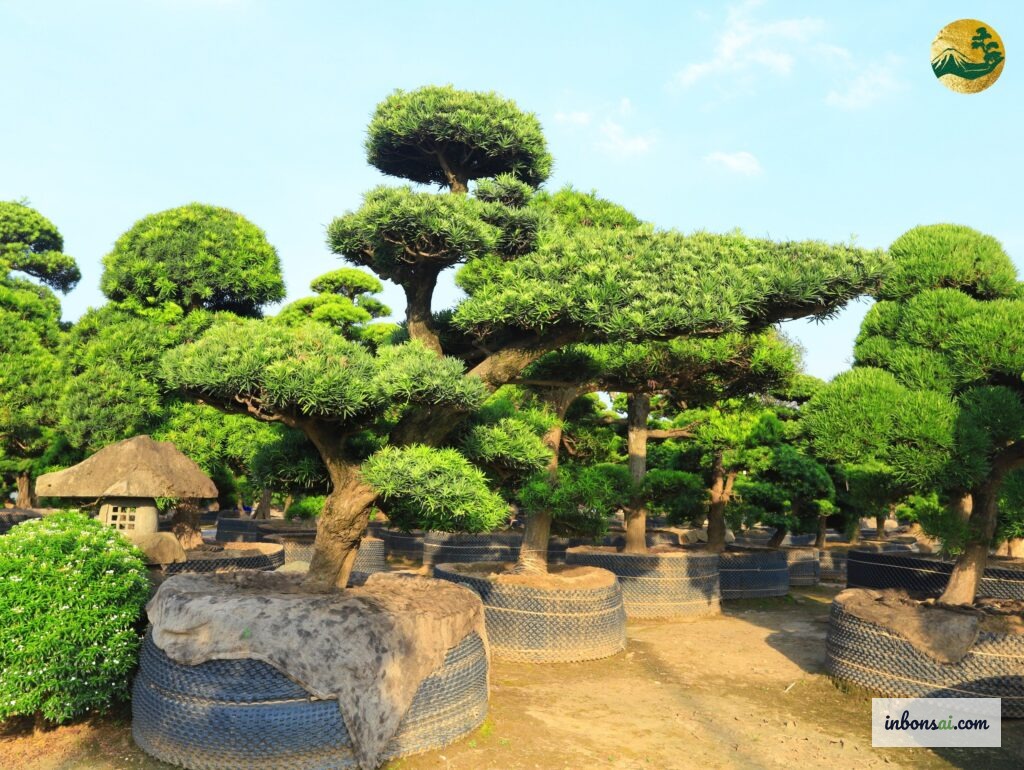
Among the bonsai species popular in Vietnam and across Asia, Podocarpus is highly regarded for both practical and symbolic reasons.
On the technical side, its slow growth means designed forms hold their shape longer. The bark has naturally beautiful texture, young branches bend well for styling, and an impressive nebari (surface root system) develops over time. Podocarpus also recovers well after pruning, giving practitioners flexibility to refine the tree’s shape.
From a feng shui perspective, Podocarpus symbolizes longevity, patience, and wisdom. Many families and businesses place it in living rooms or reception areas to attract peace, career advancement, and prosperity. Its persistent evergreen foliage also represents enduring vitality and resilience.
Whether you’re a beginner or experienced enthusiast, Podocarpus bonsai is well worth the investment of time and care.
Light Requirements and Placement
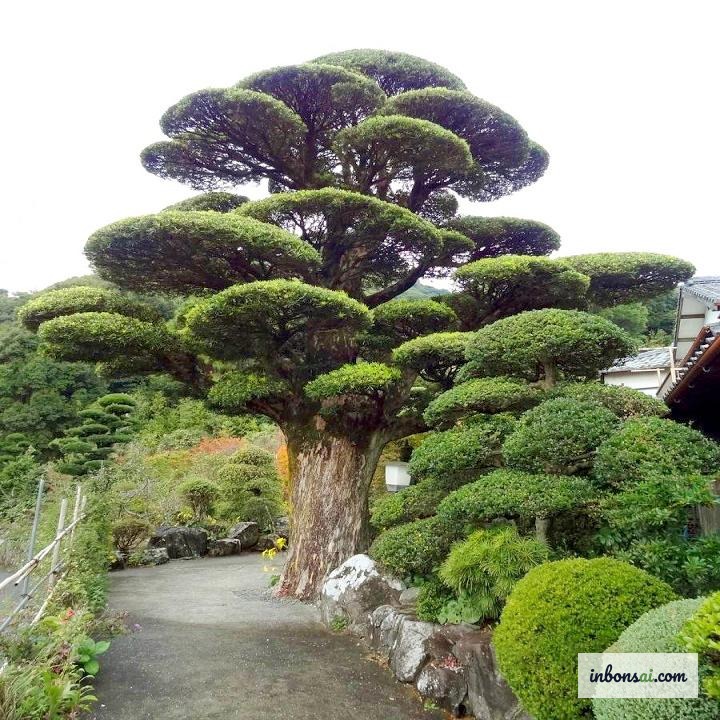
Light is one of the most critical factors in Podocarpus bonsai care. This species does best with indirect or filtered light — avoid harsh direct midday sun, which can scorch leaves and cause discoloration.
Ideal indoor placement: Near an east- or north-facing window, where it receives gentle morning light. In low-light rooms, supplement with a grow light for 12–14 hours per day.
Outdoor placement: On a rooftop or balcony, use 30–50% shade cloth to filter sunlight. Avoid exposed windy spots, as constant airflow dries out soil quickly and damages new growth.
Additionally, Podocarpus is sensitive to sudden location changes. When transitioning between indoors and outdoors (or vice versa), acclimate gradually over 1–2 weeks by introducing the new conditions for just a few hours each day. This prevents “light shock” and keeps the tree healthy.
Watering Technique for Podocarpus Bonsai
Proper watering is the most important skill in bonsai care, and Podocarpus is no exception. The golden rule is: water when the soil surface begins to dry, but never let the tree go thirsty.
Checking soil moisture: Press your finger 2–3 cm into the soil. If it still feels moist, hold off watering. If the soil is completely dry, water immediately.
How to water correctly: Use a watering can with a fine rose head so water distributes evenly from top to bottom. Water until liquid drains freely from the drainage holes at the bottom of the pot — this confirms the soil is thoroughly moistened. Never let water pool in the saucer beneath the pot, as standing water leads to root rot.
Watering frequency: Dry season (November–April): once daily in the early morning. Rainy season (May–October): reduce to 3–4 times per week, based on actual soil moisture. For more general principles, see our bonsai watering techniques guide.
Ideally, use rainwater or tap water left overnight — chlorine in fresh tap water can gradually affect soil microbiota and root health over time.
Fertilizing and Nutrition
Because Podocarpus grows slowly, it doesn’t require as much fertilizer as faster-growing bonsai species. Over-fertilizing will push excessive new growth and disrupt the form you’ve been carefully developing.
Best fertilizer type: Slow-release organic fertilizers such as rapeseed cake or fish-based pellets are the top choice — they provide nutrients gradually without causing unpleasant odors indoors. If using inorganic fertilizer, choose a balanced NPK 10-10-10 or 14-14-14 formula.
Fertilizing schedule: Apply once per month during the growing season (March–September). From October to February, reduce to every 6 weeks as the tree enters a mild resting phase. Never fertilize when the soil is bone dry or immediately after pruning — the tree needs time to recover before absorbing new nutrients.
Occasionally foliar-spraying with a very dilute liquid fertilizer (1/4 of recommended dosage) in the morning will improve leaf gloss and boost disease resistance.
How to Prune Podocarpus Bonsai
Pruning determines the shape and character of your Podocarpus bonsai. You don’t need to be an expert — with a few core principles, you can create a beautiful bonsai yourself.
Best pruning time: Spring (February–April) is ideal, when the tree has the most energy and new buds are emerging. Avoid heavy pruning in hot summer or cold winter months.
Pruning principles:
- Remove branches growing inward, crossing branches, and overly congested areas
- Retain branches that define the desired silhouette (upright, slanting, or cascade style)
- Never remove more than 1/3 of total foliage in one session — this avoids exhausting the tree
- Use sharp, sterilized pruning shears — clean before and after each use
Leaf pinching: To increase branch density, pinch or cut back half the foliage at branch tips in spring. This stimulates multiple side buds to develop, building a fuller, more compact canopy.
For smooth pruning sessions, ensure you have the right tools ready. Check out our essential bonsai tools guide to prepare your toolkit.
Repotting and Soil Mix
Because of its slow growth, Podocarpus doesn’t need frequent repotting — typically every 2–3 years for young trees and every 4–5 years for mature specimens.
Signs that repotting is needed: Roots growing out of drainage holes, or water running straight through without absorbing into the soil. These indicate the root system has outgrown its container.
Ideal soil mix: Podocarpus needs an airy, well-draining substrate that still retains adequate moisture. A popular mix is: 50% akadama + 30% pumice + 20% fine garden soil. If akadama is unavailable, baked clay granules or high-quality coir can substitute.
Best repotting time: Early spring before new growth emerges. After repotting, keep the tree in a shaded spot for 2–3 weeks, reduce watering slightly, and withhold fertilizer until roots have recovered.
For a comprehensive introduction to bonsai fundamentals, see our getting started with bonsai guide.
Preventing Common Pests and Diseases
Podocarpus bonsai is relatively disease-resistant, but certain problems can arise when care conditions are suboptimal.
Mealybugs: Appear as white cotton-like clusters in leaf axils or along branches. Remove manually with a cotton swab dipped in isopropyl alcohol, then apply diluted neem oil spray (1%) to treat and prevent recurrence.
Spider mites: Most common when ambient air is too dry. Symptoms include yellowing leaves and fine webbing on the undersides. Regular misting of leaf undersides and increasing environmental humidity effectively controls the problem.
Root rot: Caused by overwatering or poorly draining soil. The tree will show widespread yellowing and limp, soft branches. Remove the tree from its pot, cut away all rotted roots, treat with antifungal solution, then replant in fresh, well-draining substrate.
Unexplained yellowing leaves: May be caused by insufficient light, nutrient deficiency, or overly alkaline soil. Review placement, fertilizing schedule, and soil pH (ideal range: 5.5–6.5). Occasional iron (Fe) supplementation may help if leaves show interveinal chlorosis (pale between the veins while veins remain green).
Prevention is always better than treatment: inspect your tree weekly, clean up fallen leaves from beneath the pot, and maintain good air circulation — simple habits that make a significant difference.
Caring for Podocarpus bonsai is straightforward once you understand the basics: indirect light, moderate watering, gentle fertilizing, and season-appropriate pruning. With patience and attention, your Podocarpus bonsai will evolve into an increasingly refined living artwork — a meaningful presence in your home or workspace.
Related Posts
Podocarpus Bonsai Care Guide: Tips for Healthy Growth
Fukien Tea Bonsai: Complete Care Guide at Home
Mai Chieu Thuy Bonsai: Complete Growing & Care Guide
Ficus Bonsai Mini: Feng Shui Meaning and Care Guide
Buddha Hand Bonsai: Complete Growing & Care Guide
Pomegranate Bonsai Yellow Leaves: Causes & Treatment Guide
Starfruit Bonsai Mini: Feng Shui Meaning and Care Guide