Bamboo Bonsai Feng Shui: How to Grow It Indoors

InBonsai Team
April 21, 2026 · 11 min read
Bamboo bonsai for feng shui has become a popular interior trend embraced by families who love the minimalist Japanese aesthetic and those interested in home feng shui. Beyond its visual appeal, bamboo bonsai carries deep cultural meaning — symbolizing longevity, good fortune, and inner peace. This guide walks you through every step: selecting the right variety, planting, caring for, and shaping a bamboo bonsai right at home, whether you are a complete beginner or an experienced plant enthusiast.
What Types of Bamboo Bonsai Are There?
Not every bamboo species is suitable for indoor bonsai. The most important first step is knowing which varieties to choose and understanding their growth habits so you can match the plant to your space and goals.
Dwarf bamboo (Pleioblastus pygmaeus) is the top choice for indoor bamboo bonsai. It has fine stems and delicate leaves, grows naturally to only 20–40 cm tall, and adapts very well to the lower light conditions found indoors. It is also the easiest to wire and shape into bonsai forms.
Black bamboo (Phyllostachys nigra) stands out with its dramatic jet-black culms and makes a striking display piece. However, this variety needs more space and brighter light — it is best suited to a south-facing balcony or window. In feng shui, its black stem symbolizes strength and resilience.
Lucky bamboo (Dracaena sanderiana) is not technically bamboo but is called “feng shui bamboo” because of its bamboo-like appearance and auspicious symbolism. It is the easiest to grow, thrives in water or soil, and is ideal for beginners.
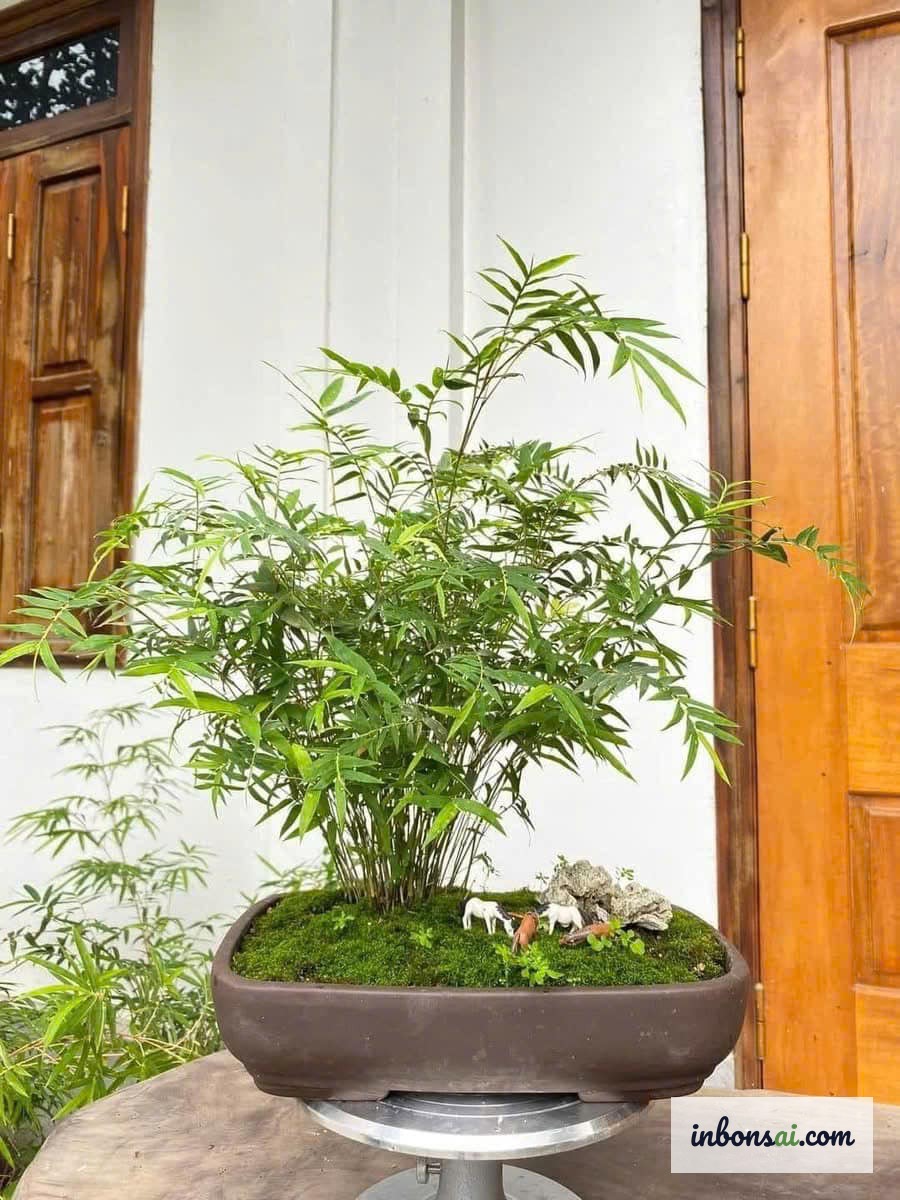
Clumping bamboo (Bambusa multiplex) produces multiple stems in a tight cluster, creating the look of a miniature bamboo grove. This variety is perfect for the bonsai forest style (Yose-ue), evoking wild nature compressed into a small pot.
If you have never grown bamboo bonsai before, start with dwarf bamboo or lucky bamboo — the two most forgiving varieties and the easiest to find at plant nurseries.
The Feng Shui Meaning of Bamboo Bonsai Indoors
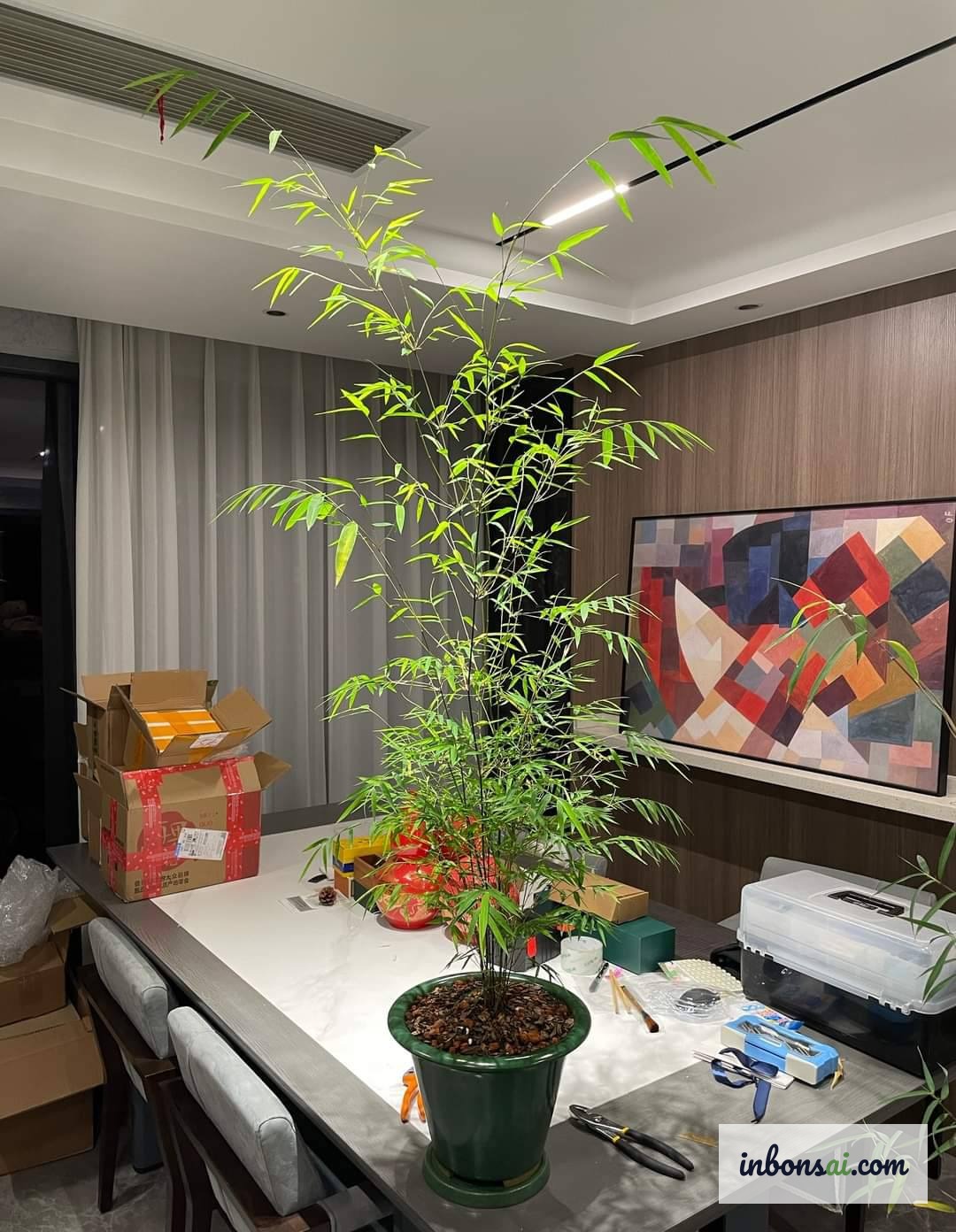
In Eastern feng shui philosophy, bamboo is regarded as a symbol of many virtuous qualities. Understanding this meaning will help you place the plant in the right spot and make the most of the positive energy it brings.
Longevity and health: Bamboo stays green all year round, never dropping leaves with the seasons — it symbolizes enduring vitality and robust health. Placing a bamboo bonsai in the bedroom or living room is believed to bring fresh energy and support the wellbeing of the household.
Flexibility and resilience: The bamboo stalk bends without breaking, representing the ability to overcome adversity and adapt to change. In feng shui, this quality is said to help the occupants of a home recover quickly from setbacks.
Good luck and prosperity through stalk count: In lucky bamboo, the number of stalks carries different meanings. Two stalks invite love; three stalks (representing Fortune, Prosperity, and Longevity) are the most common; five represent the five elements of health; seven bring good health; and eight — the luckiest number in feng shui — symbolizes wealth and abundance.
Wood element — which birth element does it suit?: Bamboo belongs to the Wood element. According to the Five Elements theory, people born under Fire (Wood feeds Fire) and Wood elements are especially well matched to this plant. Those born under Earth (Wood controls Earth) should consider this before placing bamboo prominently. You can read more about choosing feng shui bonsai by birth element for a deeper dive into elemental compatibility.
How to Plant Bamboo Bonsai Indoors — Step by Step
Planting bamboo bonsai is straightforward once you understand the soil and pot requirements. The foundation you build now directly impacts the plant’s health for years to come.
Choosing the Right Pot
The bonsai pot for bamboo must have good drainage holes at the bottom — this is non-negotiable, as bamboo is highly susceptible to root rot when water pools. Unglazed ceramic or terracotta pots are ideal because they allow better airflow than plastic or glazed porcelain.
For pot size: choose a pot about 3–5 cm wider than the root ball on each side. Avoid oversized pots, which retain moisture too long and increase the risk of root rot. Oval or rectangular shallow pots suit the traditional bonsai aesthetic; tall round pots complement an upright, formal style.
Soil Mix Formula
The best soil mix for indoor bamboo bonsai:
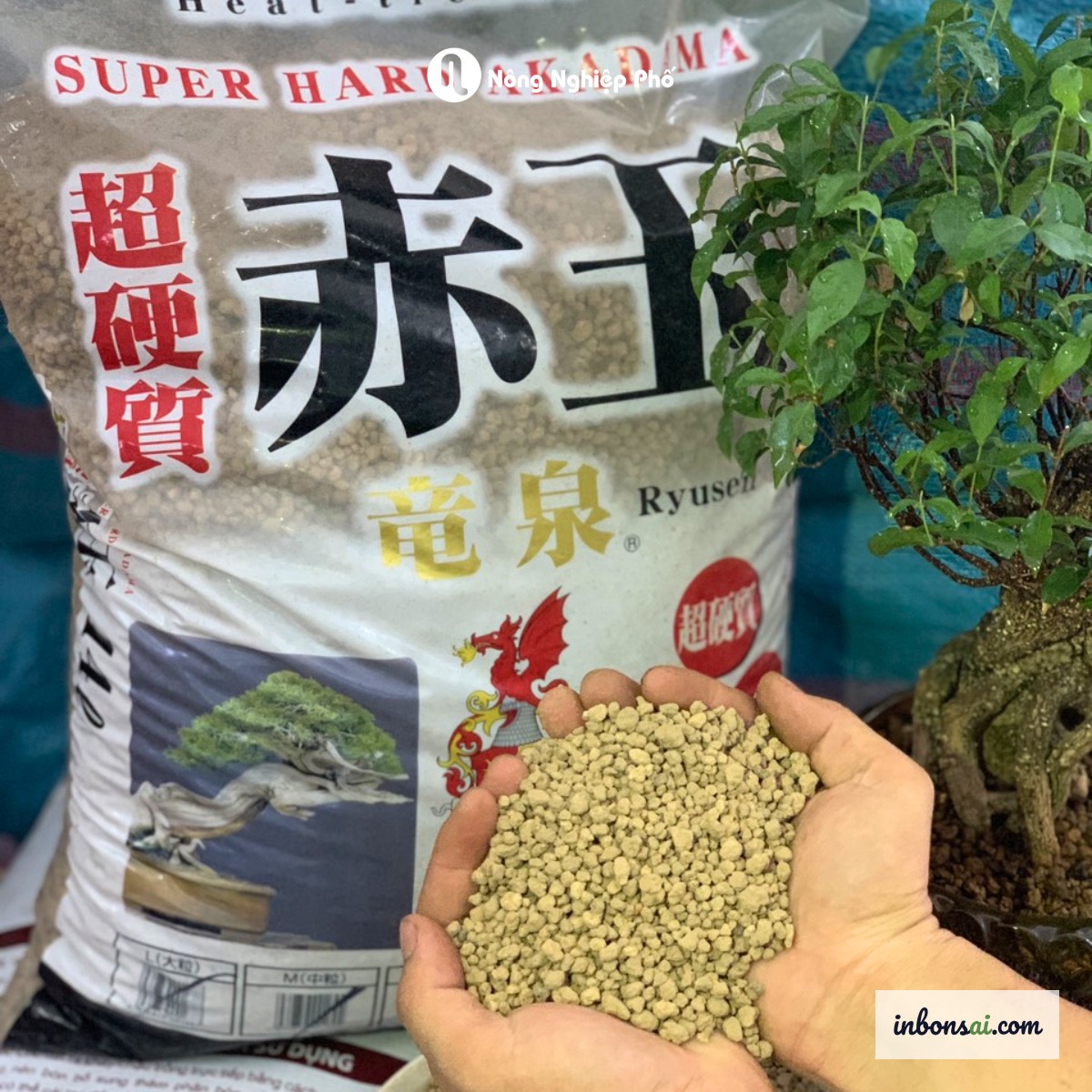
- 40% akadama (Japanese fired clay): breathable, retains moderate moisture
- 30% pumice or perlite: improves drainage and prevents compaction
- 20% mature organic compost (vermicompost): provides baseline nutrition
- 10% coarse sand or lava rock: improves soil structure
Avoid using garden soil alone — it compacts heavily with repeated watering, blocking root development in the tight confines of a bonsai pot.
Planting Steps
- Place a mesh screen or small pot shard over the drainage hole
- Add a 1–2 cm layer of large gravel or lava rock for drainage
- Add a layer of the prepared soil mix
- Gently remove the old root ball, use a bamboo stick to comb the outer roots, and trim off old or dead roots
- Position the plant slightly off-center for a more natural appearance
- Fill in the soil around the roots, using a stick to press out air pockets
- Water thoroughly immediately after planting and allow to drain completely
Caring for Bamboo Bonsai: Light, Water, and Fertilizer
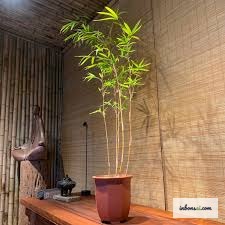
Proper care is what determines whether your bamboo bonsai thrives or merely survives. Each factor — light, water, and nutrients — plays a critical role that cannot be skipped.
Light
Dwarf bamboo and most indoor bamboo bonsai varieties need bright indirect light. The ideal placement is near an east- or north-facing window where the plant receives 4–6 hours of gentle morning light each day.
If your home lacks adequate natural light, you can use LED grow lights for 10–12 hours per day. Avoid placing the plant under intense afternoon sun (especially between 10 am and 3 pm) because bamboo’s thin leaves scorch easily.
Watering
Watering is the single most important aspect of bamboo bonsai care. The core rule: water when the top 2–3 cm of soil feels dry — never water on a fixed schedule because moisture needs change with season and temperature. Water thoroughly until it runs freely from the drainage hole, then stop and wait until the soil dries again before watering.
In hot summer: water 1–2 times per day. In cool winter: water 2–3 times per week. Rainwater or tap water left overnight (to off-gas chlorine) works best.
Fertilizing
Follow this fertilizing schedule for bamboo bonsai:
- Spring–summer (March–August): balanced NPK fertilizer (20-20-20 or 10-10-10), every 2 weeks, diluted to half the recommended strength
- Autumn (September–November): switch to a high-potassium formula (e.g., 5-10-15) to harden the plant before winter
- Winter (December–February): reduce or stop fertilizing entirely — the plant is resting
Liquid organic fertilizers (dissolved vermicompost) are a gentler alternative with less risk of root burn than chemical fertilizers. For more care tips suited to small spaces, see our guide on caring for mini bonsai at home.
How to Shape and Prune Bamboo Bonsai
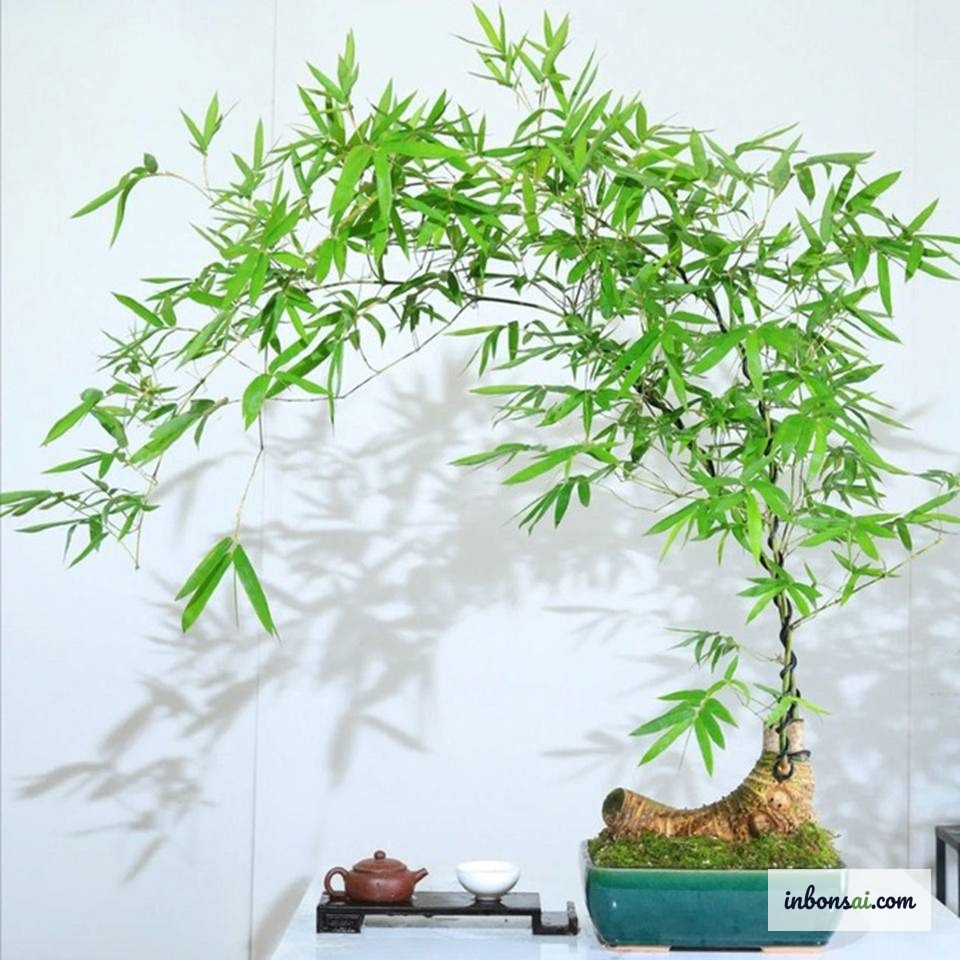
Shaping is both an art and a skill that takes patience to develop. Bamboo bonsai behaves differently from most woody plants — new shoots emerge from the base and from nodes along the stem, not from branch tips — so the shaping techniques have their own unique character.
Popular Bonsai Styles for Bamboo
Formal upright (Chokkan): Straight vertical stem with leaves spreading evenly on both sides. This style works well with black bamboo or dwarf bamboo, and symbolizes integrity and uprightness — popular in office settings.
Forest (Yose-ue): Plant 3, 5, or 7 bamboo stems (odd numbers) in a single wide, shallow pot to create a miniature bamboo grove. This is the most visually striking style and aligns most strongly with bamboo’s feng shui symbolism.
Slanting (Shakan): The trunk leans gently to one side as if shaped by the wind, creating a sense of movement and dynamism. Light aluminum wire helps maintain the desired angle.
Pruning Techniques
Pruning bamboo bonsai focuses on three areas:
- Tip pruning: When a new shoot has 2–3 internodes, cut off the top to encourage lateral branching and a denser canopy
- Old leaf removal: Cut off yellow or aging leaves at the base of the plant to improve light and airflow to the lower stem
- Basal shoot control: Bamboo vigorously pushes new shoots from the base. Remove unwanted basal shoots as soon as they appear (when 3–5 cm long) to maintain the bonsai’s intended form
Always use sharp, clean scissors (sterilized with rubbing alcohol) to prevent disease. The best time to prune is early spring (February–March) or after the rainy season (October–November).
Where to Place Bamboo Bonsai Indoors for Good Feng Shui
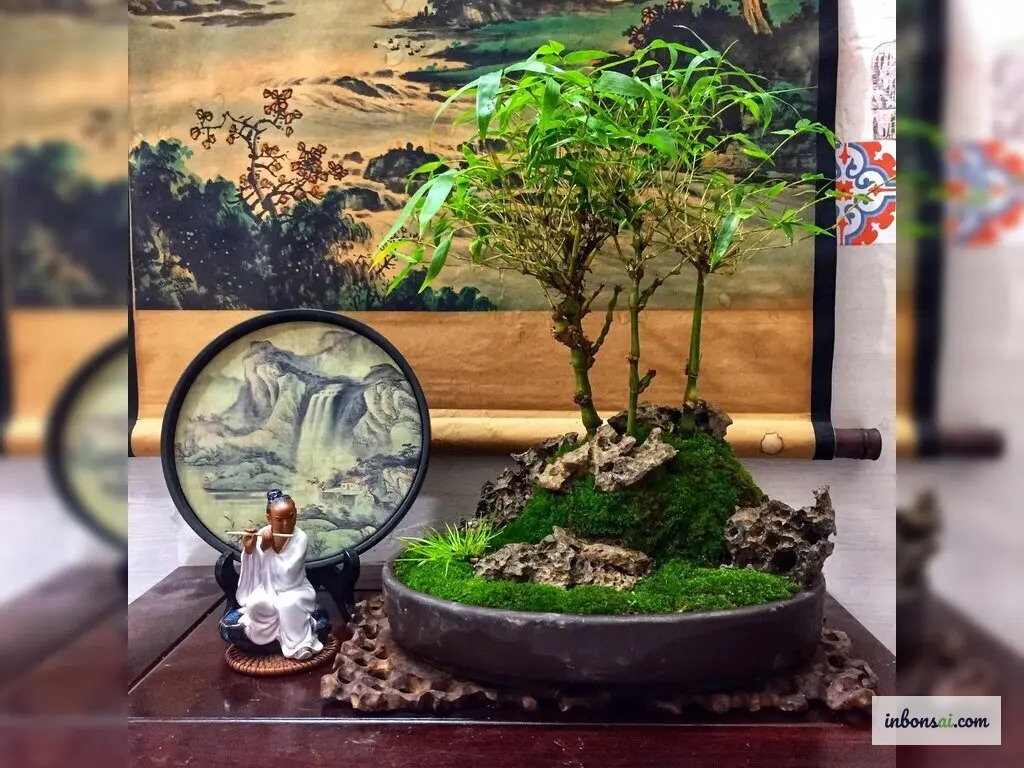
Where you place the plant affects both its feng shui impact and its biological health. You need to balance both factors to get the best results.
Best Positions According to Feng Shui
The East or Southeast corner of the home or room is the most ideal position for bamboo feng shui plants, because East corresponds to the Wood element, amplifying vitality and health energy. This direction also typically receives morning light — matching the plant’s biological needs.
Living room: Place the bamboo bonsai in a corner or on a bookshelf to create a visual focal point. Avoid placing it directly opposite the main entrance, as feng shui says positive energy will be “blown” straight back out.
Work desk: A lucky bamboo with 3 or 5 stalks placed at the corner of your desk (to your left as you sit) is said to activate career luck and stimulate creative thinking.
Kitchen and bathroom: Avoid placing bamboo in the bathroom (too humid, no light) or near the stove (heat and cooking fumes stress the plant).
Positions to Avoid
- Directly under an air conditioner vent (cold, dry air dries out leaves and stresses the plant)
- Near frequently opened doors (sudden drafts)
- Completely dark corners with no natural light or adequate artificial lighting
Our article on how to choose where to place bonsai indoors or outdoors offers a more detailed analysis of the light and airflow factors to consider for any bonsai species placed indoors.
Common Mistakes When Growing Bamboo Bonsai and How to Fix Them
Even though bamboo is relatively easygoing, beginners still run into a handful of common problems. Catching them early and acting quickly can save the plant before it is too late.
Yellow, falling leaves: The most common cause is overwatering (root rot) or insufficient light. Check the roots — if they are black and smell off, cut away the rotted sections and repot in fresh soil immediately. If the roots are white and healthy, the culprit is light — move the plant to a brighter spot.
Brown, dry leaf tips: Usually caused by low air humidity (air-conditioned rooms) or underwatering. Solution: mist the leaves 1–2 times per day or place a shallow water tray beneath the pot (without letting the pot base sit in standing water).
Plant grows too tall and loses bonsai shape: Caused by irregular pruning and letting the plant grow freely. Prune every 2–3 months and remove basal shoots regularly.
Pests (spider mites, aphids): Inspect the undersides of leaves regularly. If found, rinse with a strong stream of water, then spray diluted neem oil soap (5 ml per liter of water) over the whole plant once a week for three weeks.
Stalks turning yellow (lucky bamboo): A yellowing stalk means the cane is dying. Change the water immediately (for water-grown lucky bamboo) or check the soil and roots. A yellowed stalk cannot be revived — propagate from the remaining green stalks.
Bamboo bonsai is one of the most rewarding plants to grow — beautiful, manageable, and rich in cultural meaning. With the guidance in this article, you now have everything you need to start growing and caring for a mini bamboo bonsai at home. Be patient, observe the plant closely, and adjust your care with each season. Over time, you will have a living work of art that brings joy every single day.
Related Posts
Bamboo Bonsai Feng Shui: How to Grow It Indoors
Starfruit Bonsai Mini: Feng Shui Meaning and Care Guide
Muoi Hong Tea Table Bonsai: Styling Guide
Cycas Bonsai Feng Shui: Meaning and Care Guide
Pomegranate Bonsai: Feng Shui Meaning and Care Guide
Ficus Racemosa Bonsai: Feng Shui Meaning & Care Guide
Podocarpus Bonsai Care Guide: Tips for Healthy Growth