Cycas Bonsai Feng Shui: Meaning and Care Guide

InBonsai Team
March 29, 2026 · 9 min read
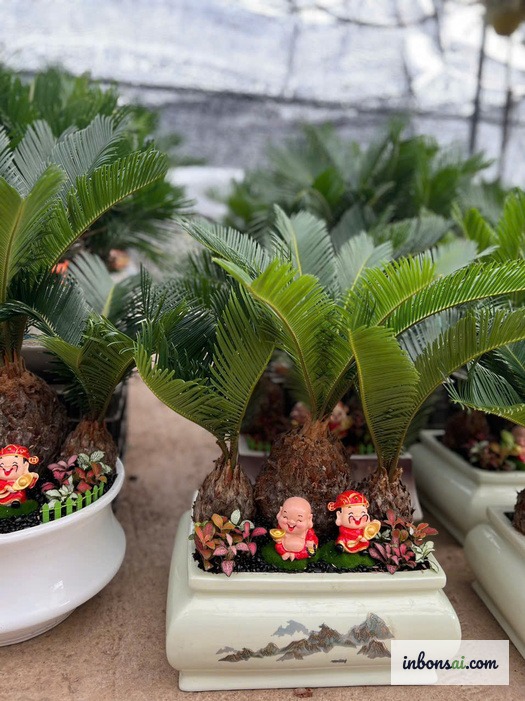
Cycas bonsai — commonly known as sago palm bonsai — has long been cherished in Vietnamese culture as a symbol of enduring vitality, good fortune, and prosperity. Unlike many ornamental plants, Cycas revoluta possesses a uniquely ancient beauty: a rugged, stone-like trunk and radiating deep-green fronds that make each specimen look like a miniature sculpture shaped by centuries of time. In this guide, you’ll discover the feng shui significance of this remarkable plant, how to select a quality specimen, and the essential techniques for caring for cycas bonsai at home so it thrives for decades to come.
What Is Cycas Bonsai? Meaning and Feng Shui Significance
Cycas revoluta belongs to the family Cycadaceae — one of the oldest plant families on Earth, dating back more than 200 million years. Its Vietnamese name “vạn tuế” (万歲) literally means “ten thousand years of life,” perfectly reflecting the plant’s extremely slow but extraordinarily persistent growth. A mature cycas that is 30–50 years old may stand only 1–2 meters tall, yet every leaf and every ring on its trunk carries the mark of time.
From a feng shui perspective, cycas bonsai carries many auspicious meanings. Its evenly spreading fronds, radiating outward like a star, symbolize the gathering of positive energy (chi) from all directions. The thick, textured trunk represents strength and steadfastness. The deep, evergreen color of the leaves embodies strong Wood element energy, promoting health and vitality for the household. This makes cycas an ideal gift for housewarming ceremonies, grand openings, or milestone birthday celebrations for elders.
Furthermore, cycas holds deep significance in Buddhist traditions and Japanese temples, where it symbolizes purity and longevity. Many serious bonsai collectors in Vietnam regard owning a mature cycas miniature as an expression of refined aesthetic sensibility.
Which Feng Shui Zodiac Signs Suit Cycas? Best Placement in the Home
Cycas carries the Wood element in feng shui — making it particularly beneficial for people of the Earth element (born in years ending in 8 or 9) and Water element (born in years ending in 2 or 3), as Water nourishes Wood and Wood can balance Earth. People of the Fire element also benefit since Wood feeds Fire. Those of the Metal element may want to consider consulting a feng shui expert, as Wood and Metal can conflict.
For placement, some ideal locations for cycas bonsai include:
- Living room: Place in the Southeast corner (Wealth sector) or East corner (Health sector) to activate positive chi. Avoid placing directly in front of the main entrance, as the sharp fronds can create “cutting energy” according to feng shui principles.
- Study or home office: The left side of your desk (East direction) encourages creativity and concentration.
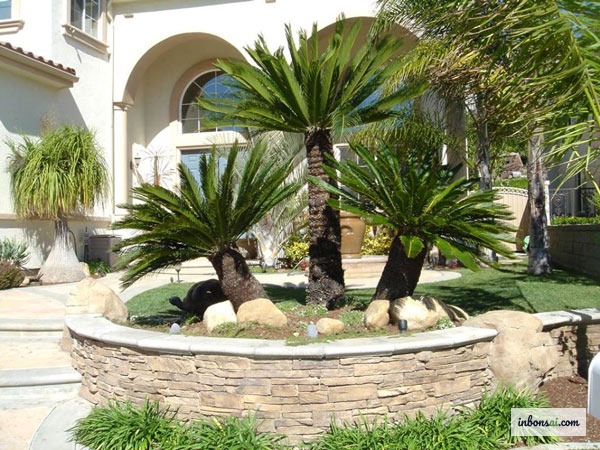
- Garden or balcony: Cycas tolerates full sun well, making outdoor placement both decorative and energetically beneficial.
- Avoid: Bedrooms (the plant needs ample light and may compete for O₂ at night), dark rooms, and damp spaces with poor airflow.
How to Choose a Quality Cycas Bonsai
When purchasing a cycas bonsai, many buyers are drawn to specimens with lush, thick fronds but overlook more important structural qualities. Here are the key points to inspect before buying.
Check the trunk: A healthy cycas trunk should be firm, with no signs of softness or rot. Natural cracking of the outer bark with age is normal — even desirable, as it indicates an older specimen. However, if the bark is separating abnormally or shows black wet patches with an unpleasant odor, the plant may be diseased.
Inspect the fronds: Healthy leaves are deep green, rigid, and have a natural sheen. Yellowing, wilting, or abnormally curled fronds indicate nutritional deficiencies or pest problems. Pay close attention to the undersides of the leaves — this is where mealybugs and spider mites typically hide.
Examine the roots: If possible, check that the roots are white or pale yellow with no foul odor. Black, mushy roots are a serious warning sign. A plant growing in well-draining soil with adequate drainage holes is a positive indicator.
Age and value: Cycas grows extremely slowly — a trunk measuring 20–30 cm typically represents 15–20 years of growth. Therefore, older specimens with impressive trunks command higher prices. Avoid plants that seem suspiciously cheap, as they may be young offset-grown plants or diseased specimens.
How to Pot Cycas Bonsai Correctly
The single most important rule for potting cycas is: never let water stagnate around the roots. The ideal soil mix for cycas bonsai consists of:
- 50% coarse sand mixed with loam (or laterite soil)
- 30% rice husk ash or perlite for aeration
- 20% well-composted organic matter (cow manure or worm castings)
Avoid heavy clay soils or standard garden earth, which retain too much moisture and cause root rot.
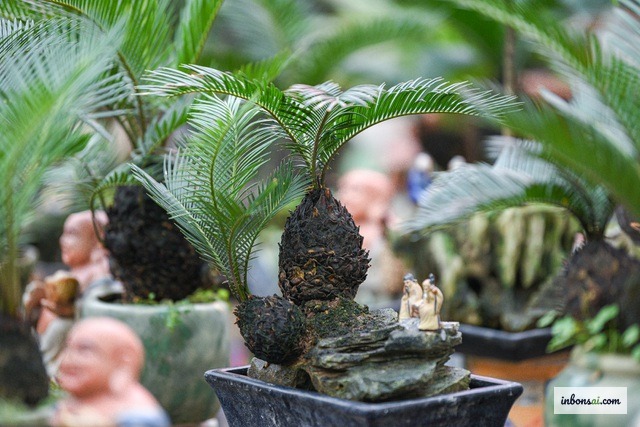
Choosing a pot: Cycas looks beautiful in terracotta or stone pots in earthy brown or slate-blue tones. Rectangular or square pots enhance the ancient, dignified look. Essential requirement: adequate drainage holes (at least 2–3 at the base).
Repotting schedule: Repot in early spring (February–March) or early autumn (September–October) when temperatures are mild. Cycas does not need frequent repotting — every 3–5 years is sufficient. When repotting, gently remove old soil, trim aged and damaged roots, then allow the plant to breathe before planting in fresh mix. After repotting, water lightly and keep in a shaded, ventilated spot for 1–2 weeks while the plant recovers.
Watering and Light Requirements for Cycas Bonsai
Cycas is a drought-tolerant plant — its thick trunk stores water much like succulent plants. Overwatering is the leading cause of cycas death, a mistake many growers make.
Watering routine: Always check the soil before watering — only water when the top 2–3 cm of soil is completely dry. In hot seasons, watering every 2–3 days may be appropriate; in rainy or cool seasons, extend intervals to 5–7 days. Water thoroughly until it drains from the bottom, and never allow water to sit in the saucer for more than 30 minutes.
Light needs: Cycas thrives with 4–6 hours of direct sunlight daily. Indoors, position near a south-facing or southeast-facing window. Insufficient light causes elongated, weak, pale fronds. Conversely, intense afternoon western sun can scorch the leaves — provide light shade during peak hours if the plant is outdoors in full exposure.
Good air circulation is equally important. Cycas dislikes stagnant, humid air, which encourages fungal disease. Place the plant where natural airflow occurs, but protect it from direct cold drafts in winter.
Fertilizing and Routine Care for Cycas Bonsai
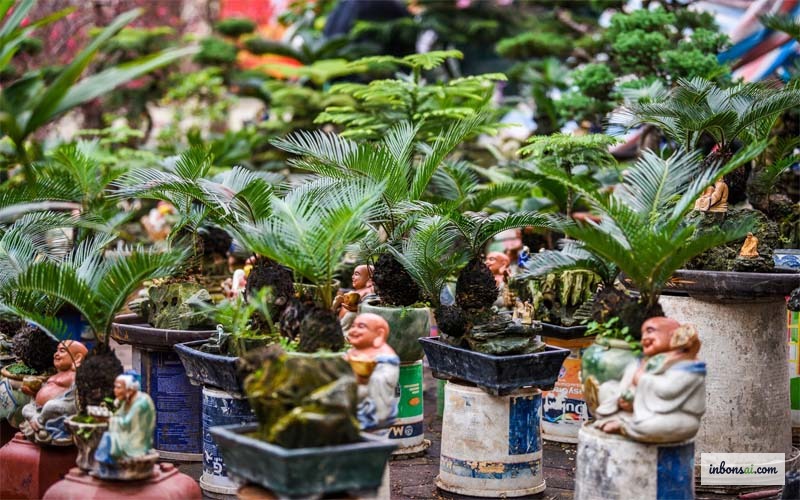
Due to its slow growth rate, cycas requires far less fertilizer than most bonsai species. Over-applying nitrogen (N) causes rapid but weak frond growth — soft, floppy leaves that spoil the plant’s natural symmetry.
Recommended fertilizing schedule:
- Spring (Feb–Apr): Apply a balanced slow-release organic fertilizer (NPK 10-10-10) to support healthy new frond emergence. Use half the dosage indicated on the packaging.
- Summer (May–Aug): Reduce fertilizer frequency to once a month using diluted solution; prioritize higher K and P to boost disease resistance.
- Autumn (Sep–Nov): Apply a high-potassium (K₂O) fertilizer to harden the plant before winter and improve cold tolerance.
- Winter: Cease fertilizing entirely — the plant enters semi-dormancy.
Additionally, sprinkling worm castings on the soil surface every 2–3 months is an effective way to supply natural nutrients and improve soil structure without risking root burn. Clean the fronds with a damp cloth every 6 months to remove dust, improve photosynthesis efficiency, and restore the natural glossy sheen.
Pruning: Cycas requires minimal pruning. Simply remove yellowing old fronds and any side shoots emerging from the base of the trunk (which are not part of the main crown) to maintain the elegant form. Always use clean, sharp scissors to prevent disease transmission.
Common Pests and How to Treat Them
Despite its hardiness, cycas has a few common adversaries that growers should watch for.
Mealybugs: The most common pest on cycas, appearing as white cottony clusters at the base of fronds and in leaf crevices. Treatment: use a cotton swab dipped in 70% isopropyl alcohol to manually remove each colony, then spray the entire plant with diluted neem oil. Repeat after 7–10 days.
Spider mites: Appear during hot, dry weather, causing small yellow stippling on the leaf surface. Misting the plant regularly and applying a specialized miticide are the most effective countermeasures.
Stem and root rot: Primarily caused by overwatering or poorly draining soil. Prevent by controlling watering frequency and ensuring proper drainage. If rot is detected, immediately cut away the affected tissue, apply antifungal paste, and allow the plant to dry out before resuming watering.
Yellowing fronds: Usually caused by insufficient light, overwatering, or magnesium deficiency. Adjust light exposure and watering habits; supplement magnesium by watering with diluted Epsom salt (1 tablespoon per 4 liters of water) once a month.
The key is early detection — inspect your plant weekly, paying particular attention to frond undersides and trunk crevices. A cycas bonsai that receives proper care will reward you with its resilient, ancient beauty for decades — a true living testament to its name, “ten thousand years.”
With this knowledge of cycas bonsai feng shui meaning and detailed care techniques, you are now well-equipped to begin or improve your cultivation of this extraordinary ancient plant at home. Be sure to explore our beginner’s guide to bonsai mini care at home for foundational principles that apply across many bonsai species.
Related Posts
Cycas Bonsai Feng Shui: Meaning and Care Guide
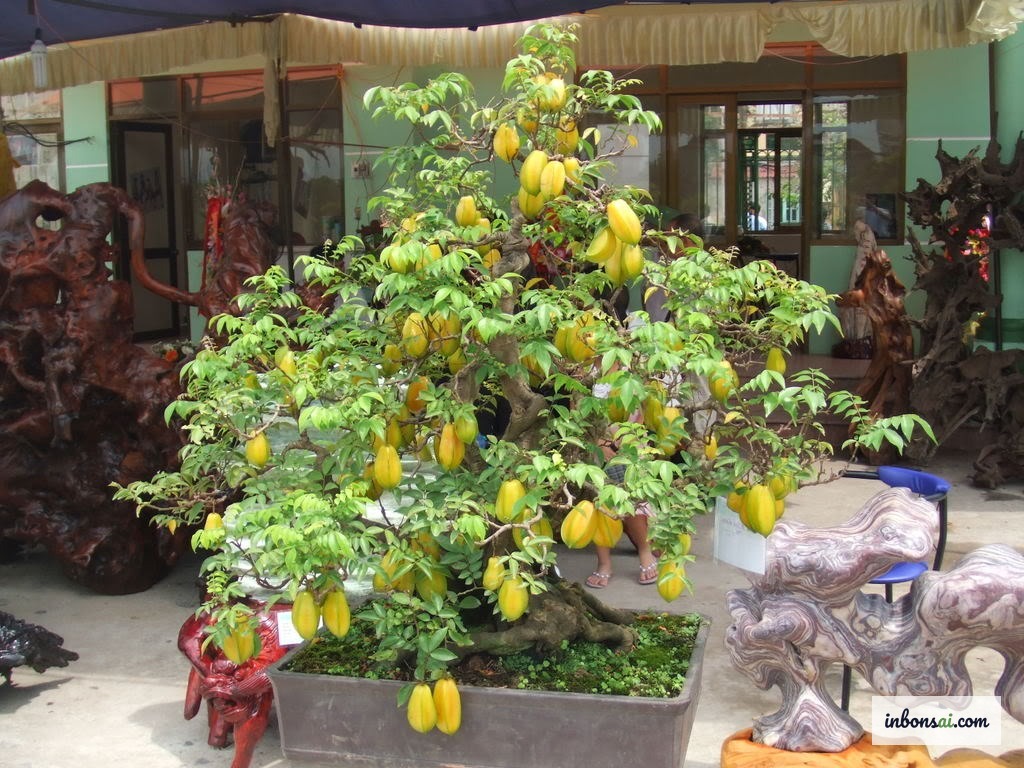
Starfruit Bonsai Mini: Feng Shui Meaning and Care Guide
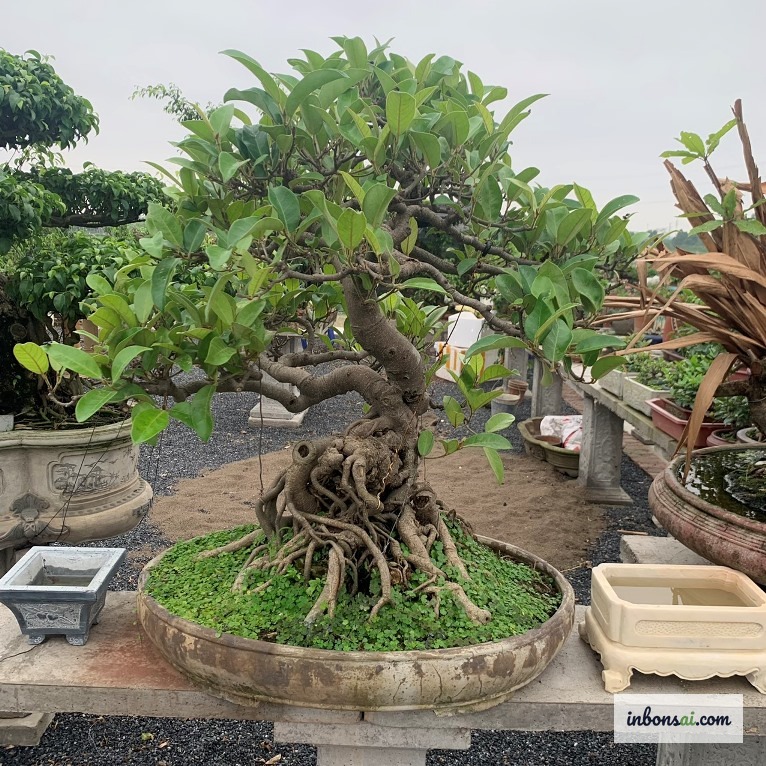
Banyan Bonsai Feng Shui: What Ages Does It Suit?
Syzygium Myrtifolium: Feng Shui Meaning Explained
Ficus Religiosa Bonsai: Spiritual Meaning and Care Guide
Tamarind Bonsai Mini: Complete Growing Guide
Ficus Racemosa Bonsai: Feng Shui Meaning & Care Guide