Best Soil Mix for Carmona Retusa Bonsai: Top Formula
InBonsai Team
April 23, 2026 · 9 min read
Carmona retusa (Fukien tea) has become one of the most beloved bonsai species in Southeast Asia — but getting the best soil mix for Carmona retusa bonsai right is the single most important factor in keeping it healthy long-term. Many bonsai enthusiasts overlook this, leading to slow growth, yellowing leaves, or root rot. In this guide, we share the top soil formula specifically designed for Carmona, explain the role of each ingredient, and walk you through mixing it at home.
Why Soil Determines the Health of Your Carmona Retusa Bonsai
Soil is far more than a physical anchor for your tree — it is a complete living environment supplying water, oxygen, minerals, and beneficial microorganisms to the root zone. In a bonsai pot, that environment is severely limited in volume, which makes every component of the mix critically important.
In its natural habitat, Carmona retusa grows on limestone cliffs and hillside outcroppings with excellent air circulation. Its roots have evolved to thrive in well-aerated, fast-draining conditions. Planting Carmona in heavy garden soil or standard potting mix traps moisture around the roots, starves them of oxygen, and creates ideal conditions for anaerobic bacteria and root fungus.
In addition, poorly draining soil allows mineral salts to accumulate at the bottom of the pot, slowly poisoning the root system — one of the most common but overlooked reasons Carmona leaves turn yellow and drop without explanation. Getting the soil right from the start is the single best investment you can make for this tree.
Carmona Retusa Ecology and Soil Requirements
Understanding Carmona retusa’s ecological background explains why its soil needs differ from many other bonsai species.
Carmona retusa is a tropical tree native to coastal regions across Asia — including the Philippines, Malaysia, Taiwan, and southern China. In these locations it typically grows on limestone-rich substrates with a soil pH between 6.0 and 7.5, fast drainage after rain, and sufficient moisture retention between wet periods.
Its root system is fine, dense, and highly branched — ideal for gripping rocky surfaces, but also oxygen-hungry. A good Carmona bonsai soil must therefore meet these criteria:
- Fast drainage: No standing water more than 30 minutes after watering
- Adequate moisture retention: Not bone-dry within 24–48 hours between waterings
- Near-neutral to mildly alkaline pH: Ideally 6.5–7.5
- Open, airy structure: Free root expansion and consistent gas exchange
- Long-term stability: Resists compaction and structural breakdown over years
Standard potting mix or garden soil cannot reliably meet all of these criteria, especially after 2–3 months as it begins to compact and decompose.
Best Soil Mix for Carmona Retusa Bonsai
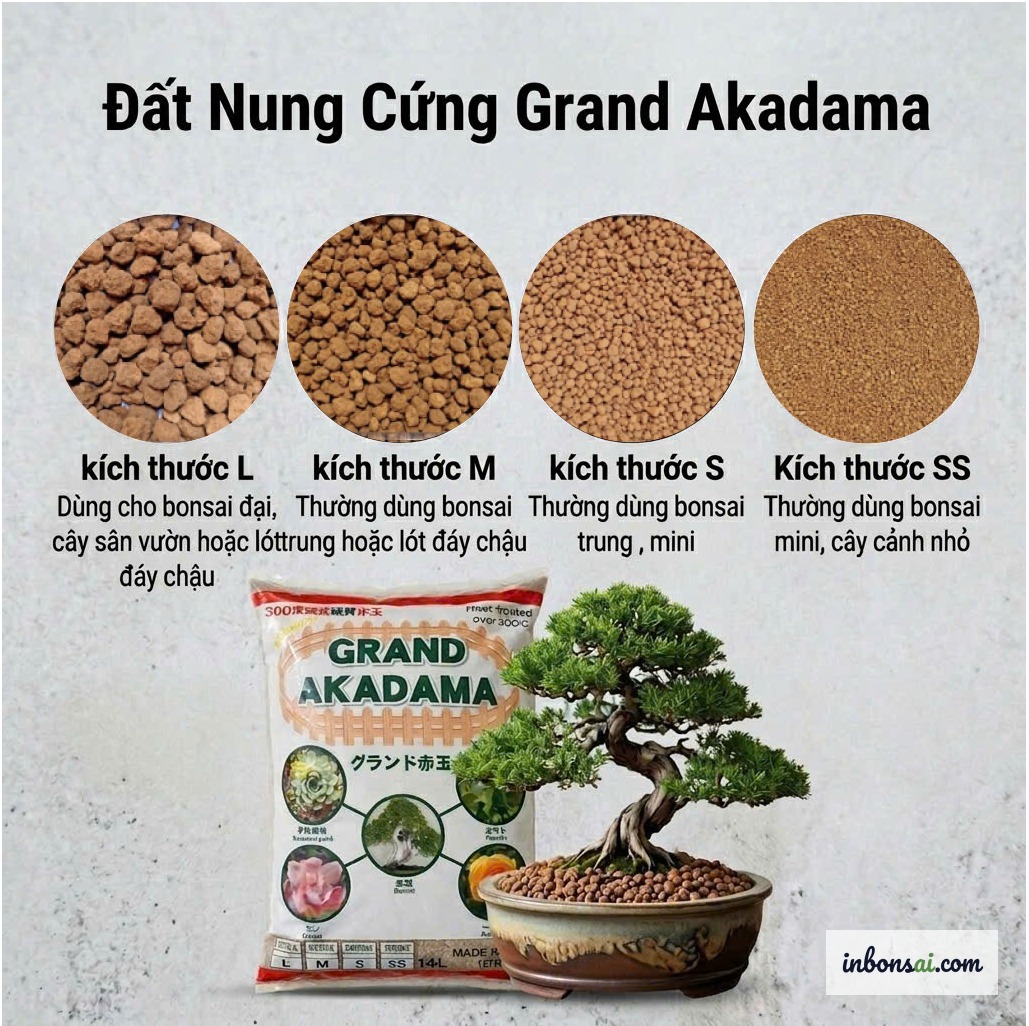
Drawing on years of practical experience and input from Japanese, Taiwanese, and Vietnamese bonsai specialists, here is the best soil mix formula for Carmona retusa bonsai:
Base formula (1:1:1 ratio by volume):
- Akadama (Japanese red clay granules): 1 part
- Pumice (volcanic rock): 1 part
- Rice hull charcoal (or processed coir): 1 part
Seasonal adjustments for tropical climates:
High humidity and heavy rainfall in tropical climates call for slight adjustments from the standard Japanese formula:
- Rainy season (May–November): Increase pumice to 40%, reduce akadama to 30%, keep rice hull charcoal at 30%
- Dry season (December–April): Standard 1:1:1 ratio, or increase akadama to 40% for better moisture retention
Experienced Carmona growers in southern Vietnam sometimes add a small amount (around 10%) of fully decomposed organic matter or worm castings — but never exceed 15%, as this makes the mix too dense and slows drainage.
Avoid entirely: clay soils, regular garden soil, high concentrations of peat (>20%), and pre-mixed “universal potting soil” from garden centers — these are almost always too heavy and retain water far too long.
Each Ingredient Explained
Understanding what each component contributes lets you adjust intelligently when needed.
Akadama — Moisture Retention and Mineral Supply
Akadama is a fired clay granule from Japan’s Kanto region, with a porous structure that holds just enough water while allowing air movement around roots. Its pH of 6.5–7.0 is a perfect match for Carmona’s requirements.
Akadama also contains iron, calcium, and silica — minerals that support healthy root development. One important note: after 2–3 years akadama begins to soften and break down, reducing aeration, which is why periodic repotting and soil refresh is essential.
Pumice — Drainage and Aeration
Pumice (volcanic foam rock) is the structural backbone of the mix. Its highly porous interior holds a small reserve of water while creating permanent airspace for root respiration. Unlike akadama, pumice does not decompose, so it maintains the mix’s open structure for years.
Ideal particle size for bonsai use is 3–6mm. Too fine and it packs together; too coarse and the mix dries out too quickly.
Rice Hull Charcoal — Lightness and Antifungal Properties
Burned rice hulls are a traditional and widely available substrate component across Southeast Asia. They are lightweight, structurally open, and carry natural antifungal carbon compounds that help suppress root pathogens. They also prevent the mix from compacting over time.
Critical point: always use burned (carbonized) rice hulls, never fresh ones. Fresh hulls decompose and generate heat and acids that damage Carmona’s fine roots. If burned rice hulls are unavailable, processed coco coir is an acceptable substitute in equal proportions.
For a deeper look at substrate ratios across different bonsai species, see our guide on Akadama Pumice Perlite Bonsai Soil Ratios.
Mixing Carmona Bonsai Soil at Home
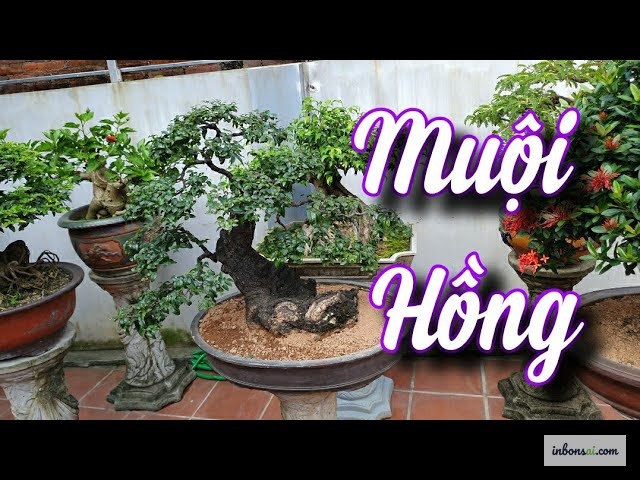
Mixing your own soil is not only cost-effective — it gives you full control over quality and the ability to fine-tune for your local climate. Here is a step-by-step process:
Equipment needed:
- Wide tray or mixing bowl
- Wire sieve (3–6mm mesh)
- Gloves
- Measuring cup (use volume, not weight)
Step-by-step:
-
Sieve all components: Use a 3mm mesh to remove fine dust from akadama and pumice. Fine particles clog drainage and compact the mix rapidly.
-
Measure by volume: Take 1 part each of akadama, pumice, and rice hull charcoal using the same cup or container.
-
Combine thoroughly: Pour everything into the tray and mix until even distribution throughout.
-
Test drainage: Pack a small amount into a cup with a drainage hole. Pour water in — it should drain completely within 10–15 seconds. If slower, add more pumice.
-
Storage: Mixed substrate can be stored in a sealed bag for up to 6 months without quality loss.
Before planting, lightly pre-moisten the mix (not saturated) to make root positioning easier and reduce shock. To learn the full care routine after planting, read our guide on Carmona Retusa Bonsai Care.
When to Repot and Refresh Soil for Carmona Retusa
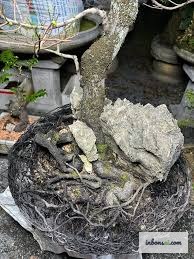
Bonsai soil is not a permanent fixture. Over time it compacts, akadama breaks down, and mineral salts accumulate — all of which progressively undermine root health.
Repotting schedule:
- Every 2 years for young, fast-growing trees
- Every 3–4 years for mature, established specimens
- Immediately if you notice: water pooling more than 1 hour after watering; roots circling inside the pot or protruding from drainage holes; unexplained leaf yellowing; tree not absorbing water despite moist soil
Best timing for Carmona repotting in tropical climates is late winter to early spring (February–March) as the tree enters active growth. Avoid summer (heat stress on newly exposed roots) and mid-rainy season (soft new roots susceptible to rot).
Why does repotting matter so much? Each repotting session includes pruning away roughly 1/3 of old roots — this fundamental technique stimulates dense new root growth and dramatically improves nutrient uptake. Trees that go too long without repotting gradually weaken regardless of how attentively they are watered and fertilized.
Common Mistakes When Choosing Carmona Bonsai Soil
Based on our experience advising bonsai enthusiasts across Vietnam, these errors come up repeatedly:
Mistake 1: Using 100% garden soil or heavy potting mix
The most common error, especially for beginners. Heavy soil retains water far too long and lacks the aeration Carmona roots need. The tree may survive for a few months on stored nutrients, but root suffocation and rot follow.
Mistake 2: Adding too much organic matter
Organic amendments are valuable in small quantities. Exceeding 15% makes the mix too dense, reduces drainage, and as the organic matter breaks down it creates an acidic environment incompatible with Carmona’s preference for near-neutral pH.
Mistake 3: Skipping the sieve step for akadama
Akadama as packaged contains substantial fine dust. Left in, this dust fills the air pockets between granules and the mix effectively becomes dense clay after just a few waterings.
Mistake 4: Substituting construction sand for pumice
Sand and pumice may seem equivalent as drainage aids, but sand particles are non-porous, hold no mineral reserves, and migrate to the bottom of the pot over time, clogging drainage holes.
Mistake 5: Letting the mix go completely dry between waterings
Carmona handles drought better than many bonsai species, but allowing the substrate to fully dry out damages the fine absorbing roots and disrupts the microbial community in the mix. Water when the surface just starts to dry, while the interior remains slightly moist.
For a broader view of how to select soil across your entire bonsai collection, see our article on Choosing the Right Bonsai Soil for Every Species.
In summary, the best soil mix for Carmona retusa bonsai is a 1:1:1 blend of akadama, pumice, and rice hull charcoal — adjusted slightly by season and climate. This foundation gives your Fukien tea tree a healthy root system, deep glossy leaves, and stable growth for years to come. Do not cut corners on substrate — it is the most worthwhile investment you will make for your prized bonsai.
Related Posts
Best Soil Mix for Carmona Retusa Bonsai: Top Formula
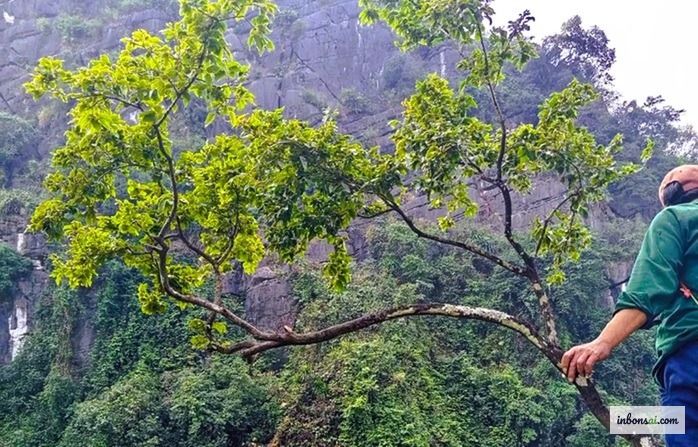
Wild vs Cultivated Carmona Retusa: How to Tell the Difference
Kumquat Bonsai for Tet: Complete Growing & Care Guide
Pomegranate Bonsai Yellow Leaves: Causes & Treatment Guide
Starfruit Bonsai Mini: Feng Shui Meaning and Care Guide
Syzygium Myrtifolium Bonsai: Complete Care Guide
Ficus Religiosa Bonsai: Spiritual Meaning and Care Guide