Wild vs Cultivated Carmona Retusa: How to Tell the Difference

InBonsai Team
April 22, 2026 · 8 min read
The Carmona retusa market is booming — and with it comes growing confusion (and controversy) about pricing and tree origins. One question bonsai enthusiasts ask daily is: how do you tell wild-collected Carmona retusa apart from nursery-grown trees so you don’t overpay or end up with the wrong type for your needs? This guide walks you through the definitive visual cues — trunk base, surface roots, bark texture, branch structure — distilled from years of hands-on experience from seasoned collectors.
Why Does It Matter: Wild vs Nursery Carmona?
Before diving into the details, it’s worth understanding why this distinction is so important.
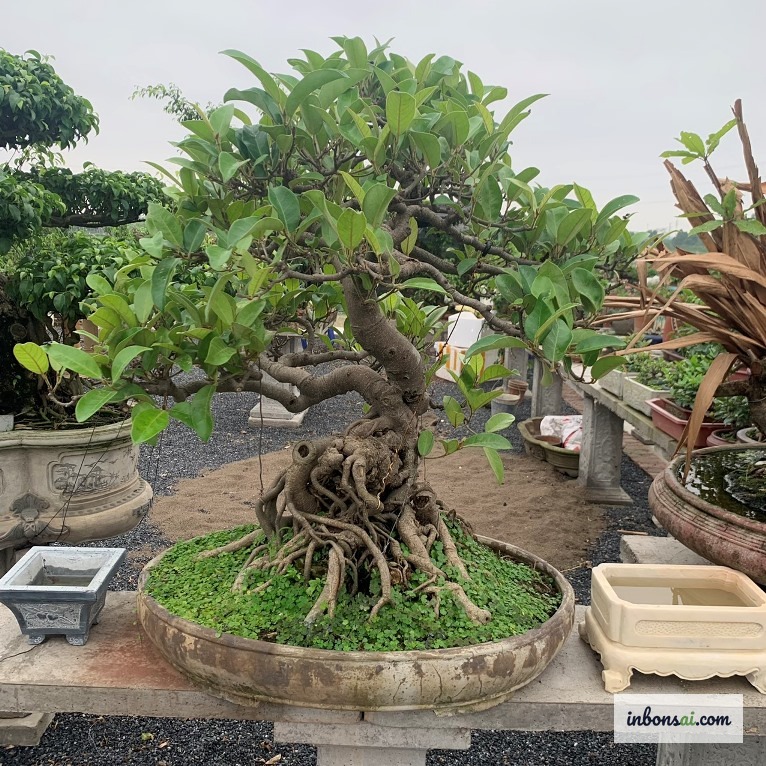
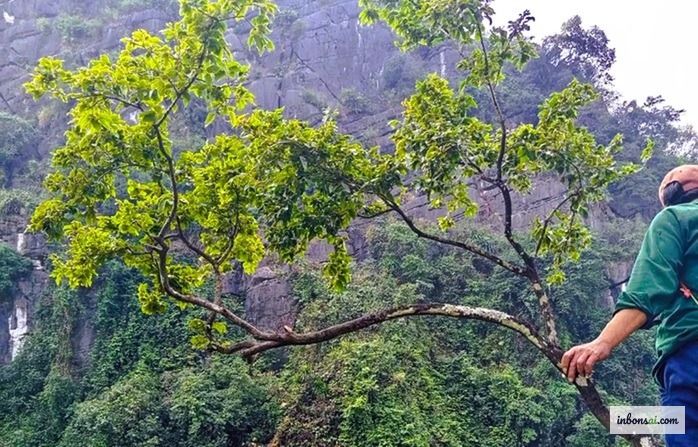
Wild Carmona retusa (also called forest-collected or yamadori specimens) are trees that grew entirely in nature — in mountain forests, limestone cliff faces, or scrubland, often in northern highland provinces. These trees endure decades of harsh conditions, producing thick, contorted trunks, dramatic surface roots (nebari), and deeply textured bark. These are the aesthetic qualities that make wild trees significantly more valuable.
Nursery-grown Carmona (also called cultivated or propagated trees) are raised from seeds, cuttings, or air layers under controlled conditions. They grow quickly and uniformly, cost far less — but lack the accumulated character of a tree that has spent thirty years fighting the elements. The concern is that not all sellers are transparent about this distinction, and some deliberately pass off nursery stock as wild-collected specimens.
Understanding the difference protects your wallet and helps you choose the right tree for your skill level. You can read more about Carmona retusa’s origins and meaning before entering the market.
Identifying Wild-Collected Carmona Retusa
Wild trees carry unmistakable marks of time and natural struggle. Here’s what to look for:
Trunk Base and Nebari (Surface Roots)
This is the most telling indicator. A wild Carmona has an asymmetrically swollen base, often flared in multiple unexpected directions because the roots had to grip uneven terrain. The nebari — surface roots visible above soil level — are substantial, multi-directional, and show complex folds and overlaps. This quality takes decades to develop and cannot be replicated quickly through artificial techniques.
By contrast, nursery trees have relatively round, uniform bases with minimal nebari — or roots that are thin and young-looking.
Bark Texture and Color
Wild Carmona bark is grey-brown to dark brown, deeply fissured, and often covered in moss and lichen — organisms that take years to establish and serve as natural proof of age. If a “wild” tree has smooth, uniformly colored bark that looks fresh, be skeptical.
The trunk of a wild tree also carries natural scars and irregular bends from past branch breaks, wind damage, or rock pressure — details that give each tree a unique story that cannot be manufactured.
Branch Structure and Natural Deadwood
Wild specimens typically display natural asymmetry — no two branches are the same, and some will have naturally died to form jin (dead branch stubs) or shari (strips of deadwood along the trunk). These features are highly prized in bonsai aesthetics and take many years to develop organically.
Identifying Nursery-Grown Carmona
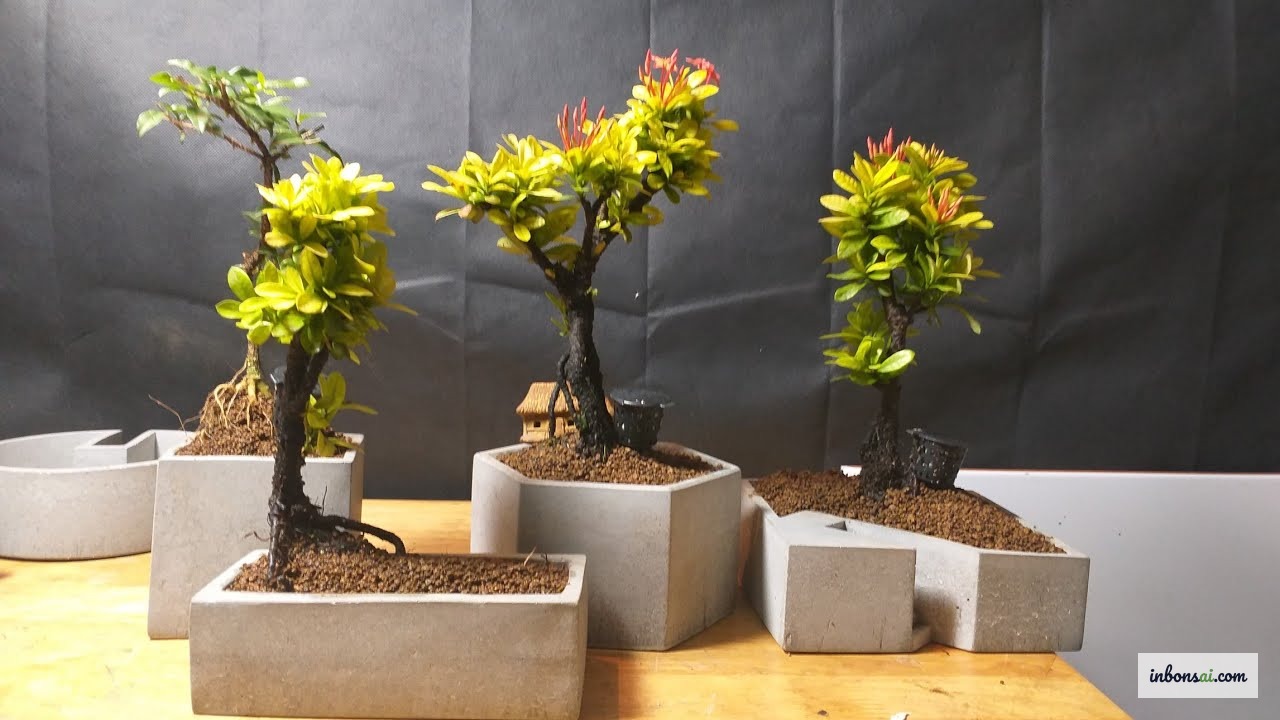
Nursery trees have their own distinct visual profile once you know where to look:
Uniform, Straight Trunk
Nursery Carmona grown from seed or cuttings tends to have a relatively straight, cylindrical trunk, which may have been wire-trained into curves. The base is usually symmetrically round with little flare. Even intentionally thickened nursery trunks look “managed” compared to the organic irregularity of a wild specimen.
Fresh, Smooth Bark
Nursery bark is lighter in color, smoother, and more uniform from base to canopy. Even a 5–7 year old cultivated tree will have bark that looks noticeably young — no lichen, no deep fissuring, no color variation between old and young sections.
Regular Root Distribution
When repotting, nursery trees reveal a symmetrical, relatively shallow root system radiating evenly from the center. The fine feeder roots are well-developed but the overall structure lacks the depth and complexity of a tree that once pushed roots into rock crevices in search of water.
Side-by-Side Comparison
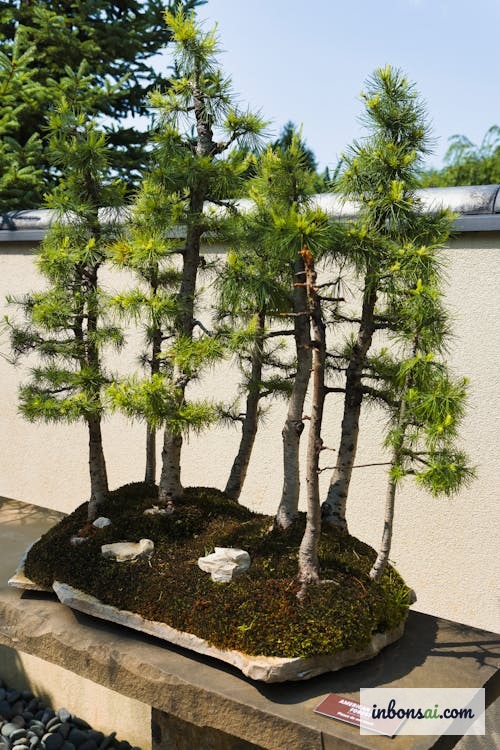
Here’s a quick reference table for use when evaluating trees at market:
| Feature | Wild Carmona | Nursery Carmona |
|---|---|---|
| Trunk base | Asymmetrically flared, swollen | Round, uniform |
| Nebari | Thick, multi-directional roots | Thin, minimal, or absent |
| Bark | Grey-brown, fissured, with lichen | Light, smooth, uniform color |
| Tree shape | Naturally asymmetric | Symmetric or deliberately shaped |
| Deadwood | Natural jin/shari present | Rare or absent |
| Actual age | Usually 10–50+ years | Usually 2–8 years |
| Adaptability | Slow — needs recovery period | Fast — easier to establish |
| Price | High (varies widely) | Low to moderate |
Neither type is inherently “better” — everything depends on your goals and experience level.
Price vs Real Value: What Are You Actually Paying For?
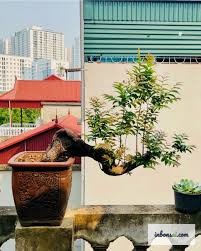
Wild and nursery Carmona can differ in price by 10 to 100 times, and there are legitimate reasons for this gap.
Wild specimens cost more because:
- Genuine age: Time cannot be purchased — a 30-year-old tree required exactly 30 years
- Unique nebari and character: Impossible to replicate artificially in the short term
- Collection and transport costs: Getting trees down from mountain terrain is labor-intensive and risky
- Survival rate: Not every collected tree survives the transition — sellers price this risk in
Nursery trees are cheaper because they’re produced at scale with short growing cycles and low input costs. However, well-developed nursery stock with good structure and proper care has real aesthetic and commercial value — especially for beginners who want to practice techniques without risking an expensive specimen.
A well-cared-for nursery tree can become a beautiful bonsai after years of skilled development. Learn how to care for Carmona retusa bonsai properly if you’re bringing one home.
Smart Buying Tips: Avoid Getting Overcharged
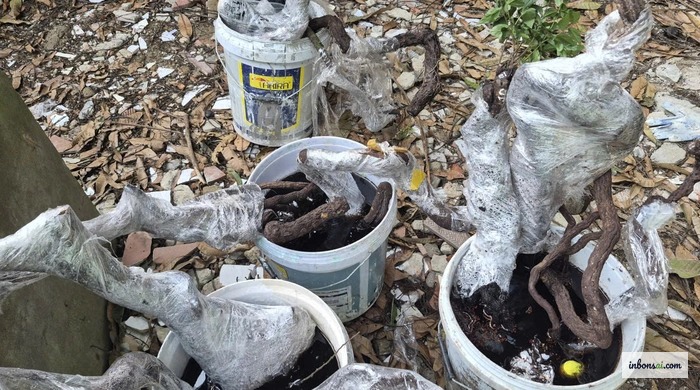
Whether you’re buying wild or nursery stock, these principles protect you:
1. Request close-up photos of the base: The trunk base and nebari are the hardest features to fake. If a seller avoids showing root-level photos, treat it as a red flag.
2. Examine bark under good lighting: Real lichen and moss take years to develop. If a “decades-old wild tree” has suspiciously clean, smooth bark, question the claim.
3. Ask about specific origin: Legitimate wild-collected trees come from documented regions. A credible seller can tell you the province, season of collection, and rough age estimate.
4. Check the root system if possible: During repotting, a wild tree reveals an intricate, deep root structure with thick anchoring roots and fine feeders. Nursery roots are more even and shallow.
5. Be wary of prices that seem too good: A wild Carmona with beautiful nebari and aged character rarely sells for under the equivalent of $50 USD. Suspiciously low prices on “wild” trees usually mean cultivated stock is being misrepresented.
Which Should You Choose: Wild or Nursery?
Your answer depends entirely on your goals and experience level:
Choose nursery stock if:
- You’re new to bonsai and haven’t developed consistent care routines yet
- You want to practice wiring, pruning, and styling without risking an expensive tree
- Budget is limited but you still want a living tree to work with
- You want multiple trees for practice or gifts
Choose a wild specimen if:
- You have at least 1–2 years of bonsai care experience
- You’re investing in a piece with long-term aesthetic and monetary value
- You have proper growing conditions — light, consistent watering, good soil drainage
- You want a tree with a unique, irreproducible character
If you do choose a wild tree, consider propagating Carmona from your stock tree — it’s a great way to preserve good genetics and develop practice trees simultaneously.
Telling wild-collected Carmona retusa from nursery stock is straightforward once you know where to look: trunk base, nebari, bark texture, and provenance story. Whatever you choose, buy from a transparent seller, understand what you’re paying for, and match the tree to your current skill level. A well-developed nursery tree can become a masterpiece bonsai over time — and even the finest wild specimen will decline without proper care.
Related Posts
Wild vs Cultivated Carmona Retusa: How to Tell the Difference
Best Soil Mix for Carmona Retusa Bonsai: Top Formula
Bamboo Bonsai Feng Shui: How to Grow It Indoors
How to Propagate Water Jasmine Bonsai: Cuttings & Air Layering
Kumquat Bonsai for Tet: Complete Growing & Care Guide
Pomegranate Bonsai Yellow Leaves: Causes & Treatment Guide
Starfruit Bonsai Mini: Feng Shui Meaning and Care Guide