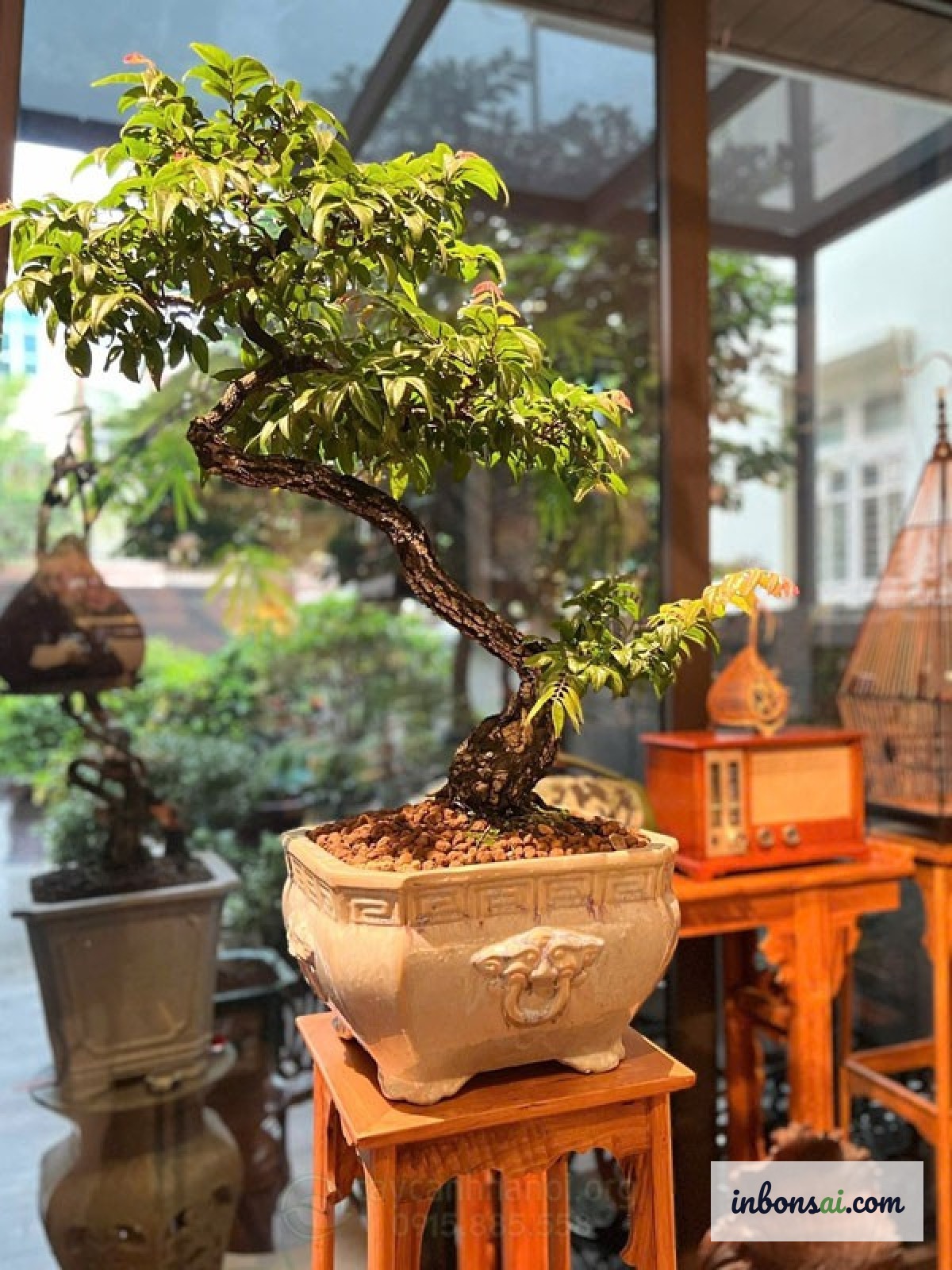
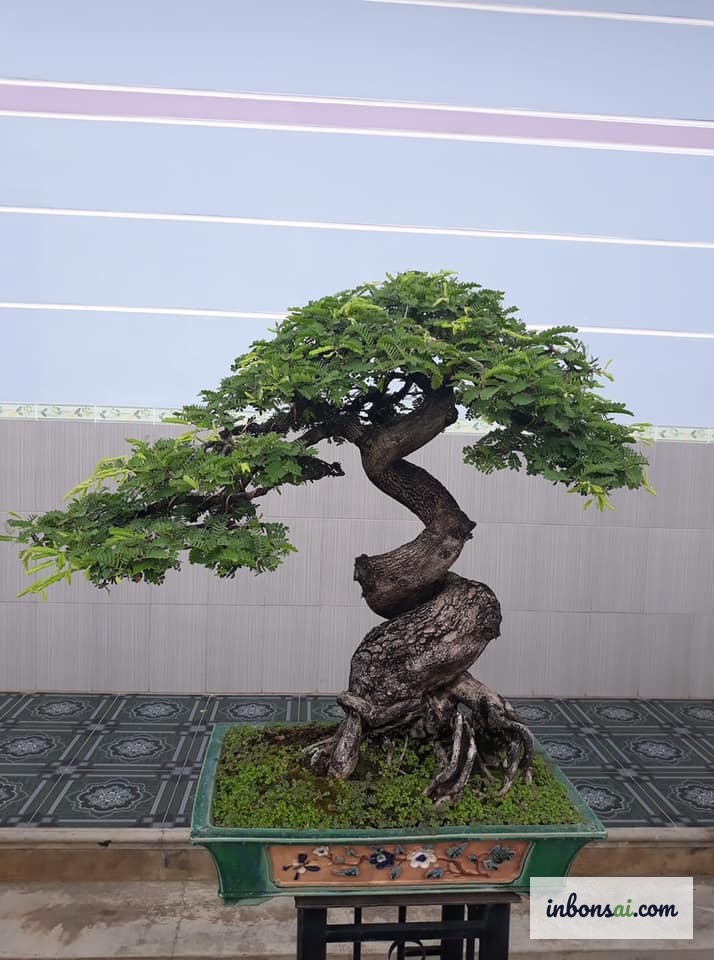
Tamarind Bonsai Mini: Complete Growing Guide

InBonsai Team
March 29, 2026 · 9 min read
If you are looking for a bonsai species that is both beautifully unique and deeply rooted in Vietnamese culture, tamarind bonsai mini (Tamarindus indica) deserves a top spot on your list. The tamarind tree — familiar to many through its tangy-sweet fruit and wide-spreading canopy — can be transformed into a stunning miniature work of art that fits right on your desk or balcony. This guide walks you through how to grow tamarind bonsai mini step by step, covering stock selection, soil preparation, watering, styling, and troubleshooting common problems — suitable for both beginners and experienced enthusiasts.
What Is Tamarind Bonsai Mini?
The tamarind (Tamarindus indica) is a hardwood tree in the Fabaceae family, native to tropical Africa and South Asia, widely cultivated throughout Southeast Asia — especially Vietnam. In nature, tamarind trees can reach 20–30 meters tall and live for hundreds of years, developing characteristically rugged, fissured bark. This naturally aged appearance is exactly what makes the species so prized in bonsai.
When shaped as tamarind bonsai mini, the tree mimics an ancient giant in miniature form — with delicate pinnate leaves that cascade like green curtains, rough textured bark, and fine ramification. Mature specimens may even bloom with pale yellow flowers and set small fruits, adding a layer of seasonal interest to the composition.
Beyond aesthetics, the tamarind holds a place in Vietnamese folk tradition as a tree that purifies air, cools spaces, and brings good fortune when kept indoors. Practicing tamarind bonsai is thus both an artistic pursuit and a culturally meaningful one.
Why Choose Tamarind for Bonsai?
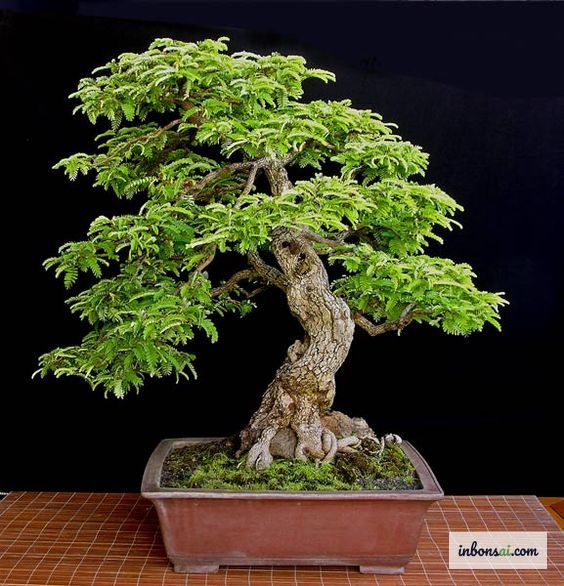
Among tropical bonsai species, tamarind stands out for several compelling reasons:
Naturally small leaves: Tamarind’s compound leaves consist of 10–20 pairs of tiny leaflets. This is a golden trait in bonsai — you don’t need to undertake labor-intensive leaf reduction techniques. The leaves are already well-proportioned for a small trunk.
Faster growth: Compared to many bonsai species, tamarind grows relatively quickly in Vietnam’s tropical climate, giving beginners visible progress within a few months of care and motivation to continue.
Naturally beautiful trunk and roots: Over time, tamarind naturally develops longitudinal ridges, fissures, and grain patterns — the aged character bonsai practitioners call “nebari beauty.” Surface roots can be developed effectively with minimal intervention.
Adaptable and hardy: Tamarind tolerates full sun, handles moderate drought, and doesn’t require complex care routines — well-suited to the hot, humid climate of southern and central Vietnam.
On top of all that, tamarind seedlings are affordable and easy to find at local nurseries, or you can grow them from seed at home.
How to Select Tamarind Stock for Bonsai
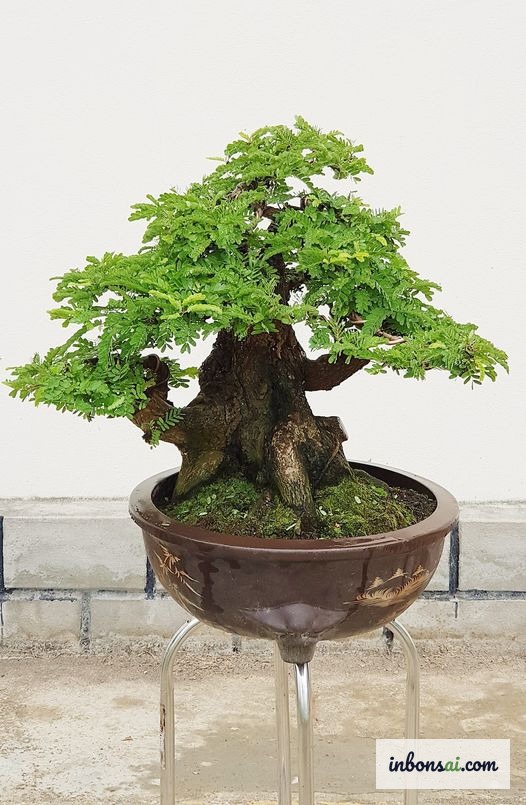
Choosing the right source material is the single most important step in this tamarind bonsai growing guide. You have three main options:
Buying Nursery Stock
The fastest route for beginners. When selecting at a nursery, prioritize:
- Good trunk shape: Look for trees with a natural slight curve — avoid completely straight, pole-like trunks. Early-forming ridges or grain are a bonus.
- Surface roots (nebari): Check the base for roots that spread in multiple directions rather than a single taproot going straight down.
- Trunk diameter: For a desk-sized mini bonsai, 1–3 cm trunk diameter is ideal.
- No signs of disease: Avoid yellowing leaves, unnatural cracks, or blackened, rotting roots.
Growing From Seed
Tamarind seeds have a high germination rate and are easy to start. Soak seeds (with outer hard shell removed) in warm water for 24 hours before sowing. Place seeds horizontally in moist germination mix, cover with 1 cm of soil. Germination begins within 1–2 weeks. This approach takes longer (3–5 years to develop an attractive tree) but gives you full control of the form from the very beginning.
Collecting Wild Material (Yamadori)
Wild tamarind trees growing along roadsides or field borders — shaped by years of exposure — often have more character than nursery stock. When digging, preserve as much of the root system as possible, remove unnecessary branches, and allow the tree at least 1–2 full growing seasons to recover before beginning serious styling.
How to Plant Tamarind Bonsai Mini Correctly
After selecting your stock, proper planting sets the foundation for healthy development.
Choosing the Right Pot
For a mini bonsai, choose a shallow pot with a diameter roughly 2/3 the tree’s height. Unglazed ceramic pots with multiple drainage holes are ideal — roots can breathe and excess water drains freely. Earth-tone brown or muted grey pots complement the natural character of tamarind bark.
Soil Mix for Tamarind Bonsai
The soil must be fast-draining and well-aerated. Recommended mix:
- Akadama 40% — moderate moisture retention, good root-anchoring structure
- Pumice 30% — fast drainage, prevents root rot
- Red earth or compost 30% — provides baseline nutrients
Avoid heavy clay soil or regular garden soil, which compact in shallow pots and cause root rot. For more detail on soil selection, see the guide to choosing the right bonsai soil.
Planting Steps
- Cover drainage holes with mesh screen to prevent soil loss
- Add 1 cm layer of pumice or coarse gravel at the bottom for drainage
- Position the tree in the pot, adjusting the lean angle for the desired style
- Fill with soil mix, using a chopstick to work soil into gaps between roots
- Water thoroughly until water flows freely from drainage holes
- Place in a shaded spot for 2–4 weeks while the tree acclimates; avoid direct sun initially
Daily Care for Tamarind Bonsai Mini
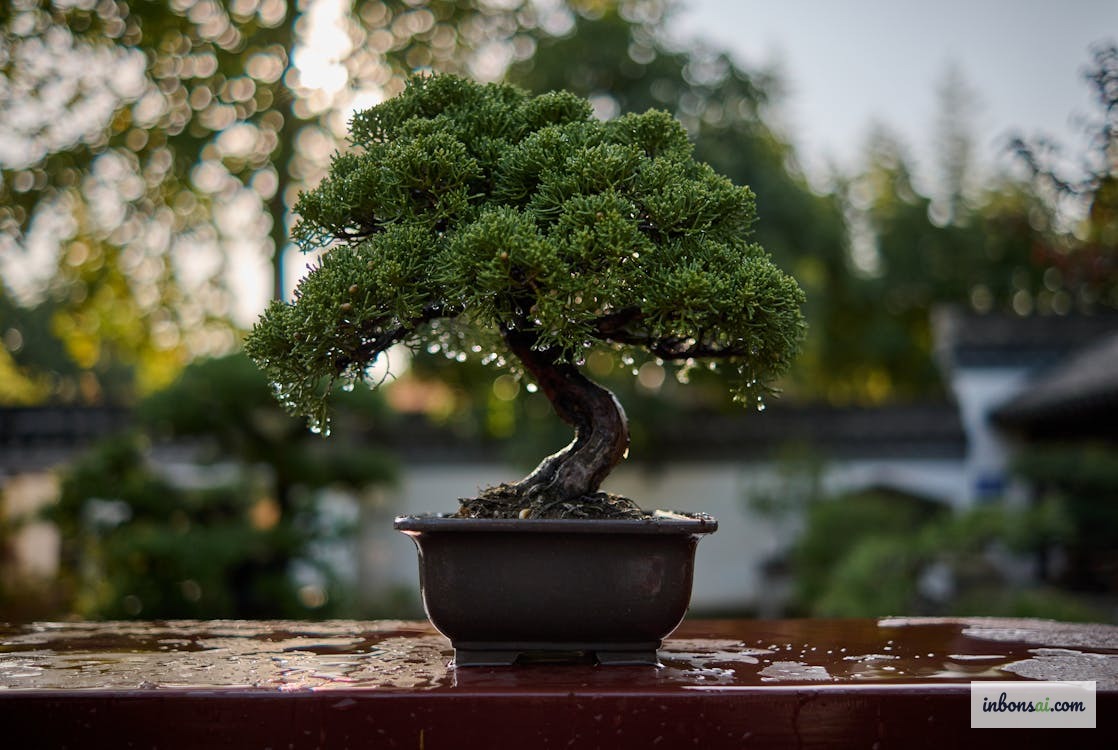
Once planted, proper daily care determines 80% of the tree’s long-term success.
Watering
Tamarind is fairly drought-tolerant but cannot survive waterlogged soil. Watering principles:
- Check soil moisture first: Insert a toothpick or finger 1–2 cm into the soil. If still moist, hold off watering.
- Water deeply, then let dry: Water until flow drains freely from the bottom, then allow soil to approach dryness before the next watering.
- Frequency: Daily or twice daily in summer heat. Every 2–3 days in cooler months.
- Water in early morning or late afternoon to minimize evaporation and reduce fungal risk.
For a deeper dive into technique, refer to the bonsai watering guide.
Light
Tamarind is a full-sun species. Position it where it receives at least 6 hours of direct sunlight daily — ideally a south- or east-facing balcony. Insufficient light indoors causes etiolation: long, weak branches with oversized leaves that ruin the bonsai’s proportions.
Fertilizing
Consistent fertilizing is essential for healthy tamarind bonsai development:
- Growing season (March–October): Apply balanced organic fertilizer or NPK (10-10-10) every 2–3 weeks
- Dormant season (November–February): Reduce to once monthly at half strength
- Method: Slow-release pellets placed on the soil surface, or diluted liquid fertilizer watered into the roots. Avoid high-nitrogen fertilizers in winter, which encourage soft new growth vulnerable to pests.
Tamarind Bonsai Styling Techniques
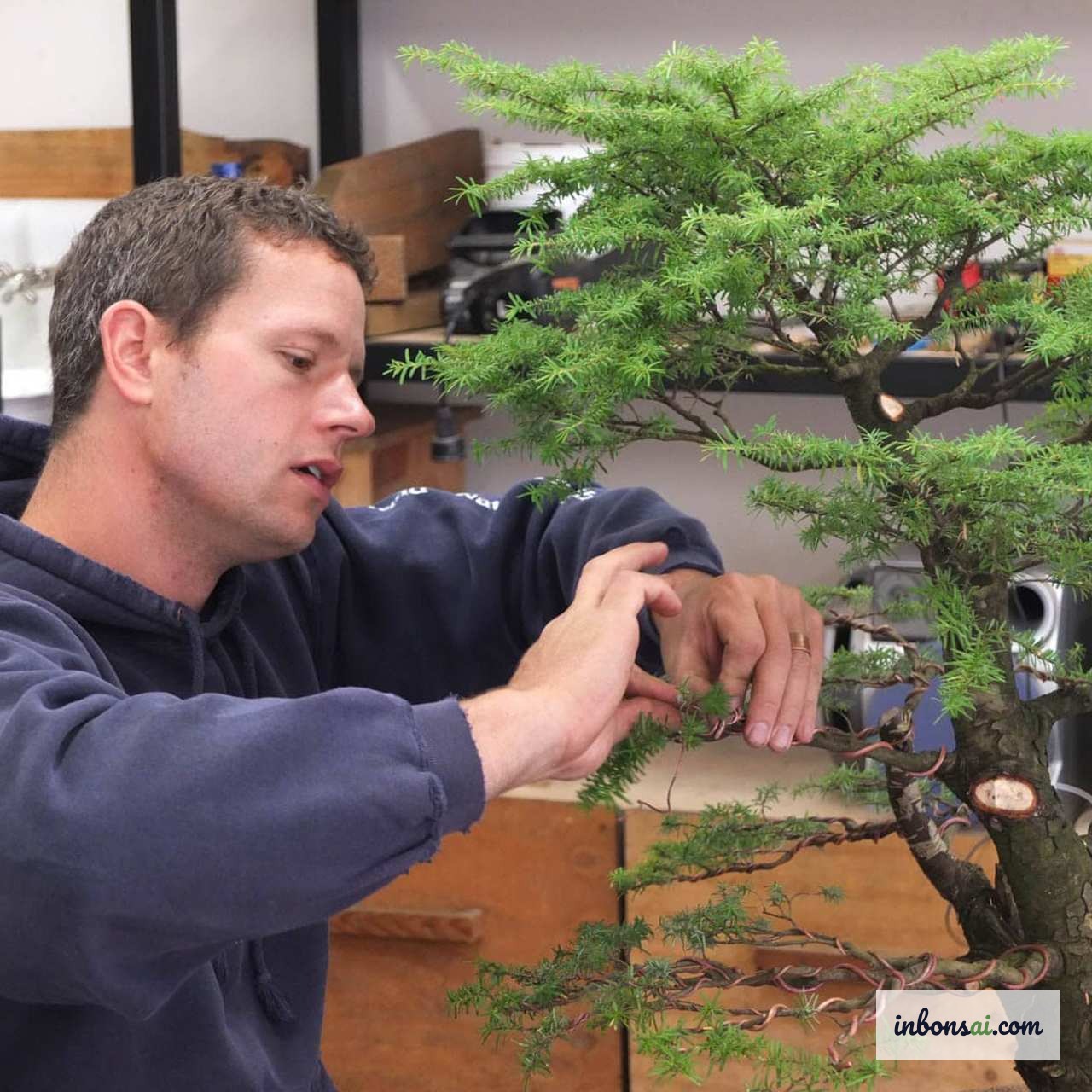
This is where a common tamarind tree becomes a work of living art. Before styling, review the basic bonsai pruning guide.
Pruning for Structure
Pruning is the most important technique for controlling tamarind bonsai form:
- Spring pruning (February–March): The best time for heavy structural pruning — reset primary branch architecture before new growth begins.
- Maintenance pruning: Throughout the growing season, trim new growth back to 1–2 leaf pairs once a shoot has produced 4–6 pairs of leaflets. This encourages ramification.
- Remove crossing and parallel branches: Eliminate branches that grow back into the canopy, grow straight up (hangers), or run parallel to others at the same height.
Wiring
Use soft aluminum wire, 1–2.5 mm diameter, to position branches. Wind wire at a 45° angle along the branch, then gently bend to the desired position. Remove wire before it cuts into bark — typically within 2–4 months. Tamarind has relatively thin bark compared to ficus or elm, so check wire more frequently.
Repotting
Repot tamarind bonsai mini every 1–2 years in early spring before new leaf buds open. During repotting, prune the root system moderately — remove excessively long roots and circling roots, keeping shorter radial roots intact.
Common Problems and Solutions
Despite being relatively robust, tamarind bonsai can encounter several common issues:
Yellowing and Leaf Drop
Some leaf drop is normal during dry periods or after abrupt changes in light conditions. However, mass yellowing combined with wet soil points to root rot. Check drainage holes immediately and reduce watering. For more help, refer to caring for bonsai showing wilting and waterlogging signs.
Aphids, Mealybugs, and Spider Mites
Tamarind bonsai can attract sap-sucking insects, especially in poorly ventilated, humid conditions. Inspect leaf undersides regularly. Treat with diluted neem oil or insecticidal soap solution, applied every 3–5 days until clear.
Branch Dieback After Pruning
If cut branches die back further into the trunk, the likely cause is cutting too shallow or using dull tools. Always use sharp bonsai scissors and cut close to the base of the branch to help the tree seal the wound cleanly.
Slow Growth
If your tamarind bonsai seems sluggish despite regular fertilizing, check three common causes: soil compaction (time to repot), blocked drainage holes, and insufficient sunlight. These are the most frequent reasons for poor development.
Conclusion
Tamarind bonsai mini offers a beautiful blend of a familiar tropical tree’s ancient character with the refined art of bonsai. With the step-by-step growing guide in this article — from selecting stock and preparing soil to daily care and styling — you can create your own small masterpiece at home.
The most important thing is patience. Bonsai is the art of time — each season, your tamarind will gain a little more character, a little more age. Start with small, confident steps, and watch your tree grow into a long-term companion.
If you are new to bonsai, read the complete guide for beginners to build a solid foundation before choosing tamarind as your first project.
Related Posts
Tamarind Bonsai Mini: Complete Growing Guide
Mai Chieu Thuy Bonsai: Complete Growing & Care Guide
Pemphis Acidula Bonsai Mini: How to Grow and Care
Cycas Bonsai Feng Shui: Meaning and Care Guide
Podocarpus Bonsai Care Guide: Tips for Healthy Growth
Ficus Bonsai Mini: Feng Shui Meaning and Care Guide
Kumquat Bonsai for Tet: Complete Growing & Care Guide