Why is the Yellow Apricot Tree considered a precious ornamental plant?

InBonsai Team
December 8, 2025 · 7 min read
Why is the Yellow Apricot Tree considered a precious ornamental plant?
Peach blossom, scientifically known as Prunus persica, and Yellow Apricot blossom, scientifically known as Ochna integerrima (Lour.) Merr, are two precious flower varieties that bloom only during the Lunar New Year. Therefore, both of these flowers have long been considered symbols of the traditional Tet festival in the North and South of our country respectively.
Historically, when talking about peach blossoms, people associate them with countless fascinating legends, such as the love story of a famous Tang Dynasty poet in China, Cui Hu (Thôi Hộ), with a maiden in Lan Tian (Lam Điền, near the capital Chang’an). This is immortalized in the poem “Ti xiao du cheng nan zhuang” (Written on a Village Wall South of the Capital), which contains four exquisite lines:
The same day last year, within this door, A girl’s face and peach blossoms reflected each other’s red. The girl’s face is nowhere to be found today, Only the peach blossoms still smile in the spring breeze.
According to the legend, the poet Cui Hu visited Lan Tian and, being thirsty, looked for a shop but couldn’t find one. He stopped by a roadside house to ask for water. The daughter of the house owner brought water to invite him, and unexpectedly, in just a fleeting moment, both the beauty and the scholar fell in love. They parted with reluctance, without exchanging any vows. The following year, also during the peach blossom season, Cui Hu remembered the girl and returned to Lan Tian. However, the house was locked, and despite calling until his voice was hoarse, no one came out. Before leaving, Cui Hu composed the poem mentioned above and pasted it on the gate, hoping that when the girl returned, she would know he had visited.
At that moment, the sentimental poet heard a mournful cry coming from inside the house, so he continued to call. This time, he was invited in by the girl’s family and was informed that the house was in mourning. The person who had just died of a heart illness was the kind-hearted girl who had offered him water the year before. Cui Hu knelt down, embraced the girl’s body, and wept bitterly. Unexpectedly for everyone in the house, the girl revived. In the end, the two were happily united.
Many people also know the legend of Liu Chen and Ruan Zhao (Lưu Thần and Nguyễn Triệu), who one day got lost in the Tiantai Mountain (Thiên Thai) cave and met two fairy sisters who offered them peaches. They later married. Liu and Ruan lived happily in the fairy realm, forgetting the passage of time in the mortal world…
Then there is the story of the Queen Mother of the West (Xi Wangmu) visiting Emperor Wu of Han and gifting him seven immortal peaches. After eating the peaches, the Emperor intended to plant the seeds in the Imperial Garden, but the Queen Mother told him that this type of peach could not be grown in the mortal world, as it takes three thousand years to flower and bear fruit once…
If we continue to tell stories about peach blossoms, the list would be long and fascinating…
As for the Yellow Apricot blossom (Mai), although there are no magical legends recorded in ancient books, we know that the Classic of Poetry (Shi Jing) describes the Mai tree as an image of the integrity of a gentleman.
You know that the Classic of Poetry is a precious book in the Five Classics, consisting of 300 folk songs and beautiful poems from the Shang and Zhou dynasties in China, collected and annotated by Confucius. Its content teaches people to abandon evil and do good.
According to Taoism, the Mai tree is elevated to the level of cosmology: Mai represents Yin and Yang (the Two Opposites), the two fundamental principles that constitute the universe. Mai is both an image of the marital way, a symbol of the elegance of poetry, and at the same time a symbol of the power of weaponry…
In Confucianism, Mai is the image of the “Junzi” (Gentleman), a person of outstanding talent and virtue; with complete personality and upright conduct, living a life without flattery and without bullying others. Mai is also the image of a hero with a proud spirit because the tree lives freshly amidst frost and snow, like the pine and cypress…
For this reason, since ancient times, artisans of ornamental plants have grouped the three trees MAI (Apricot/Plum) – TUNG (Pine) – TRUC (Bamboo) together into a set, to symbolize the noble virtues of the Gentleman in Confucianism. Because all three of these precious ornamental trees have foliage that is green almost all year round, and they are tough and resilient in the face of storms and wind, hardly ever falling…
For common people, the Yellow Apricot tree has precious characteristics, worthy of being considered a precious ornamental plant in family gardens:
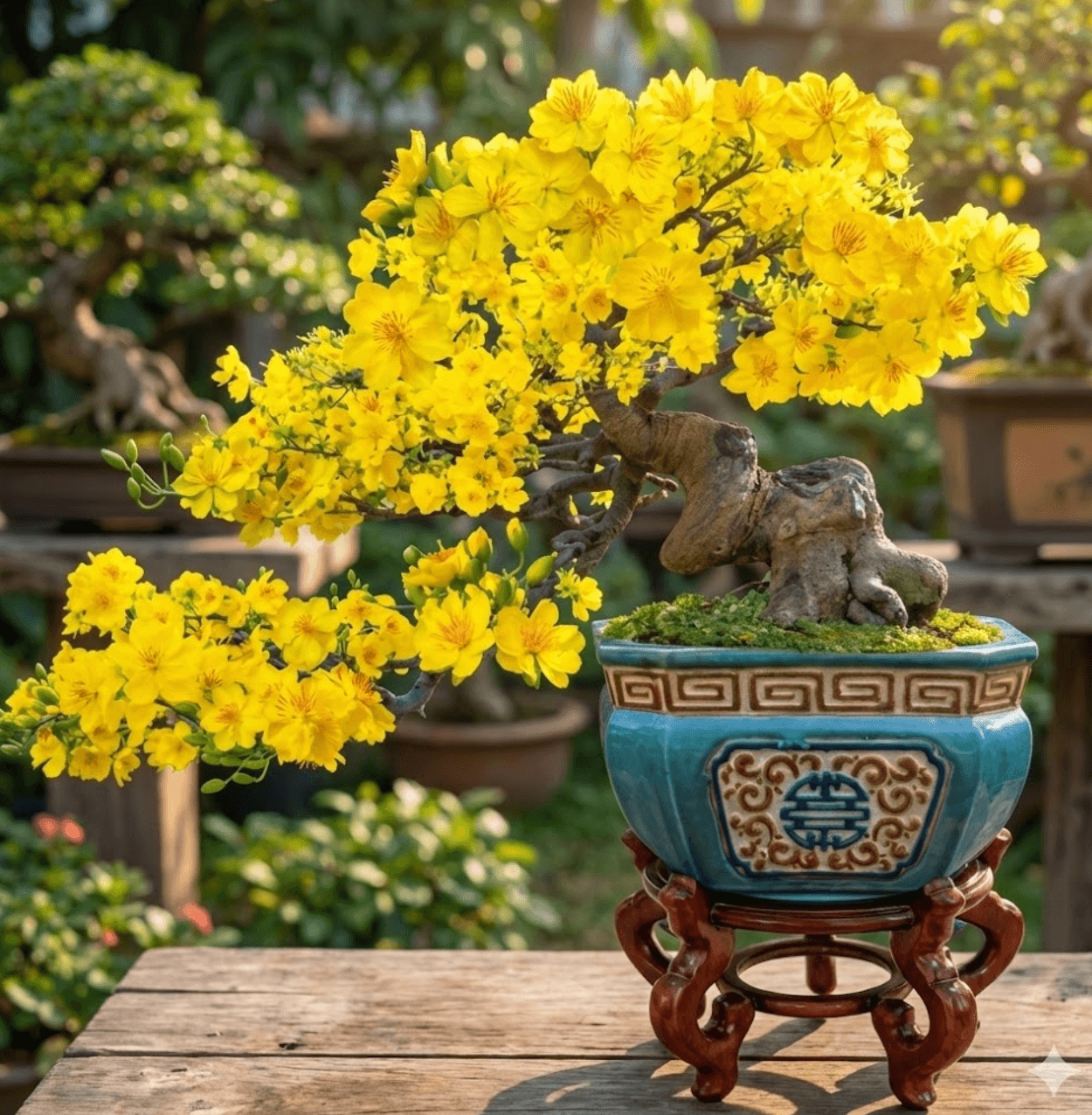
The tree only blooms during Tet: The Lunar New Year is the beginning of a new year, the most solemn day of the year. Apricot blossoms signal to everyone that Tet has arrived, so the Apricot is considered the symbol of Tet. That is one of the reasons why many people grow Apricot trees as ornamental plants.
The yellow color of the Apricot symbolizes wealth, prosperity, and overflowing happiness. On Tet days, everyone’s heart is filled with hope; everyone cherishes good dreams and prayers… and is pleased with the good wishes the new year brings to each other. Therefore, during Tet, what could be better and more meaningful than having the presence of the yellow Apricot blossom in the house, the color of wealth and hope? Especially if it is an ornamental tree that you have planted, cultivated, and watered yourself…
Mai is a long-lived tree: The Apricot tree has resilient vitality, is not picky about soil, and withstands harsh weather. The lifespan of the tree can be over a hundred years. Therefore, with beautiful ornamental Apricot trees, one generation can plant them and leave them for generations of descendants. These ancient Apricot trees are particularly favored by people.
Mai has a soft trunk, easy to prune and shape: The trunk and branches of the Apricot tree when young are very flexible, so they are easy to bend and shape into many bonsai styles according to the grower’s wishes. The Apricot’s shape is graceful, so the “Mai Nu” (Female Apricot) style is most suitable. Today, thanks to the art of grafting, ornamental Apricot trees have many more attractive shapes.
Diverse flower styles: In the past, only the five-petaled yellow Apricot was considered beautiful and precious by our ancestors. But now, we have many Apricot varieties that are both more precious and stranger: such as the famous Huynh Ty Apricot with large flowers of 24 petals arranged in many layers; or the Giao Thu Duc Apricot with 12 large petals arranged in two layers; or the Cuu Long Apricot, Chrysanthemum Apricot, each flower having up to 24 petals, arranged in three layers, the petals spreading very evenly and looking very eye-catching… With ornamental plants having such beautiful and strange features, who wouldn’t want to grow them?
Ornamental Apricot is the most favored: Today, among ornamental plant varieties, the ornamental Apricot is the most favored by many people. Especially grafted Apricot and Bonsai Apricot. In the past, whoever grew an Apricot tree played with it; if there was a surplus, they gave it as a gift. But now, ornamental Apricot is a valuable commodity, so everyone likes to grow it. It is easy to survive and does not require high skills to grow…
For the above reasons, the Yellow Apricot tree has long been considered a precious ornamental plant for everyone, every home…
Related Posts
Why is the Yellow Apricot Tree considered a precious ornamental plant?
How to plant Yellow Mai suitable for climate and ecological conditions
Methods for Creating Scenery for Lingnan Rockery Bonsai (Penjing)
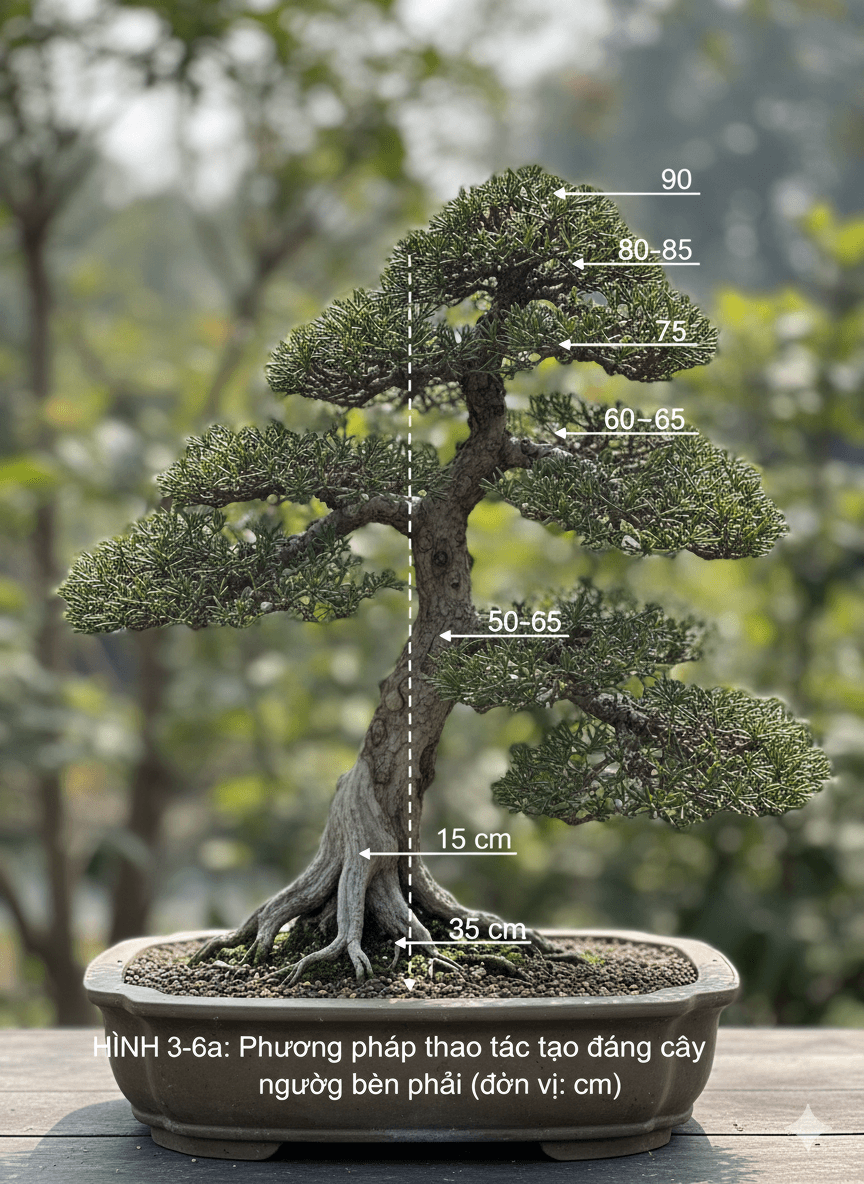
Ling Nam Bonsai Trunk Styling Method (Grow-and-Prune Technique) (Part 1)
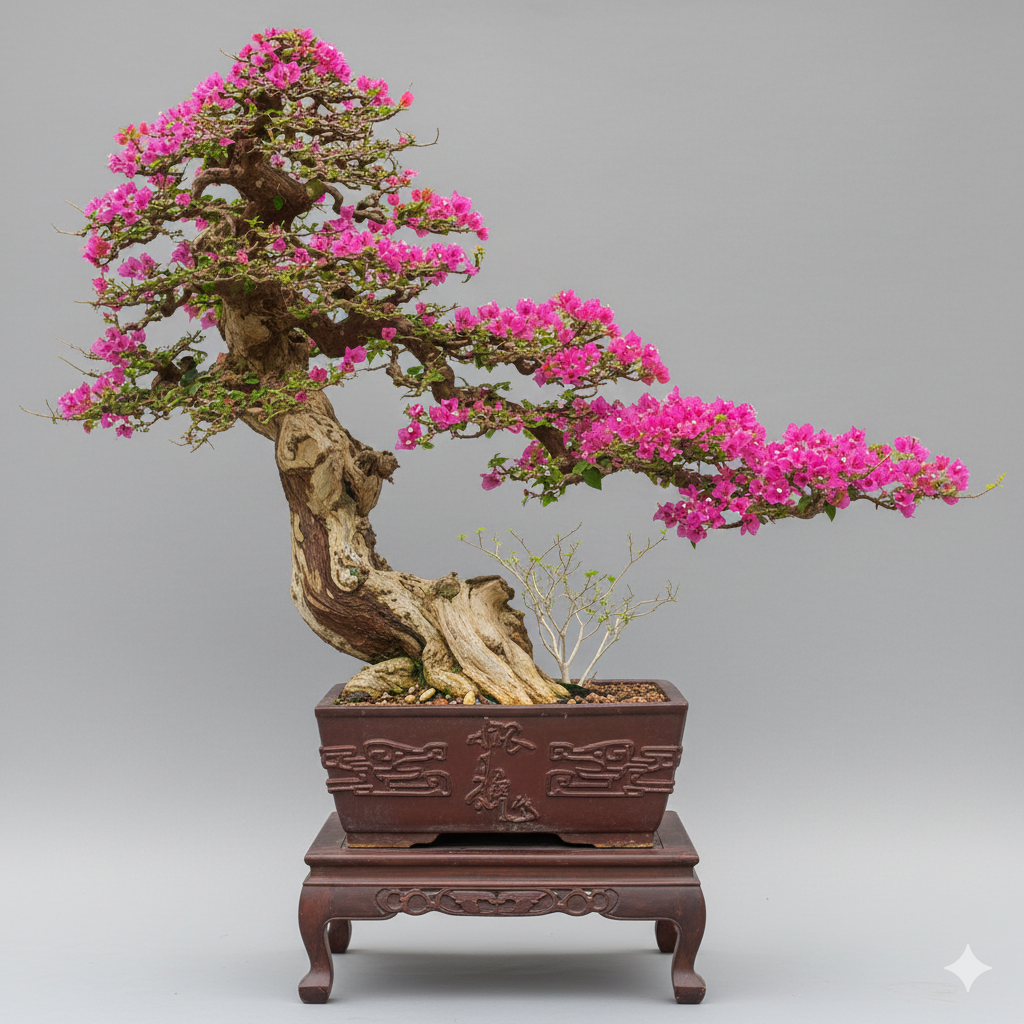
Methods for Creating Root Styles for Lingnan Bonsai
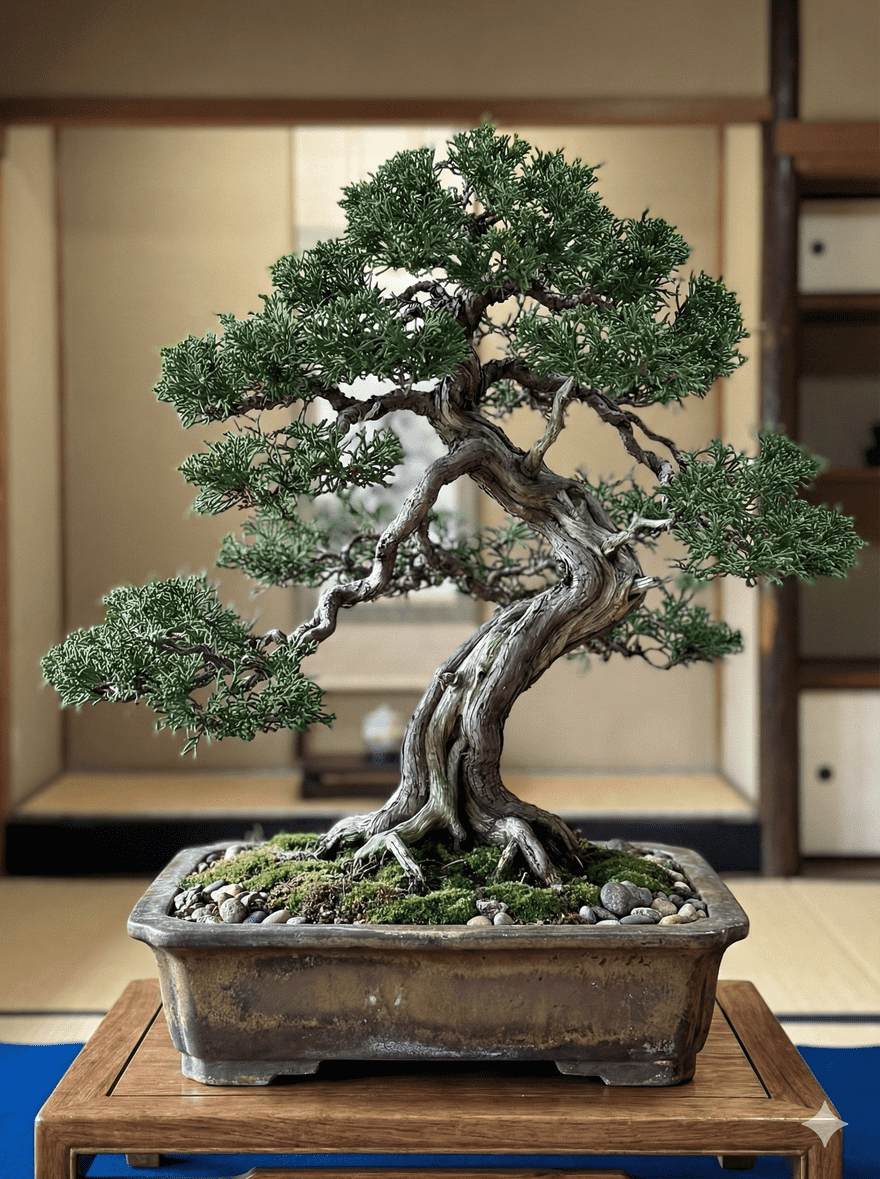
Linh Nam Bonsai Collection (Part 1)
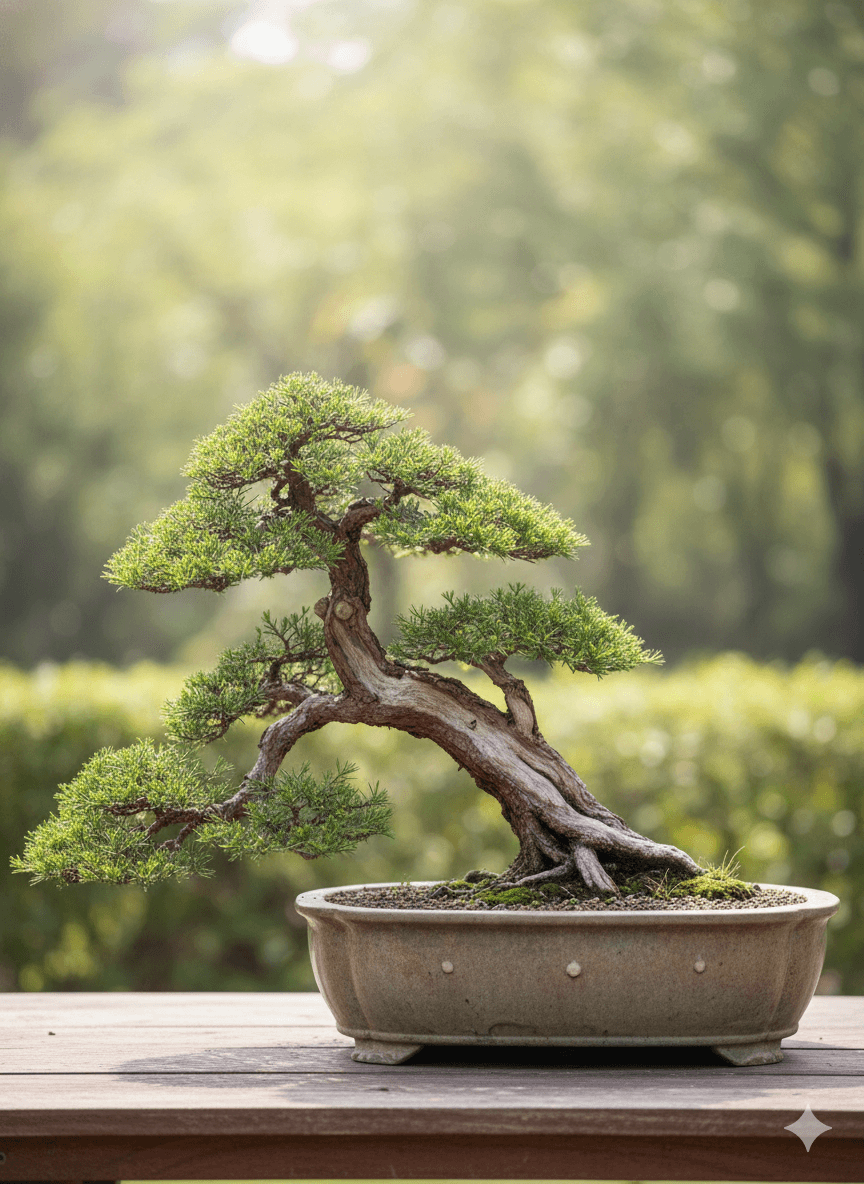
Discussing Lingnan Bonsai Art