How to Select Lingnan Bonsai Raw Material from Nature

InBonsai Team
April 19, 2026 · 9 min read
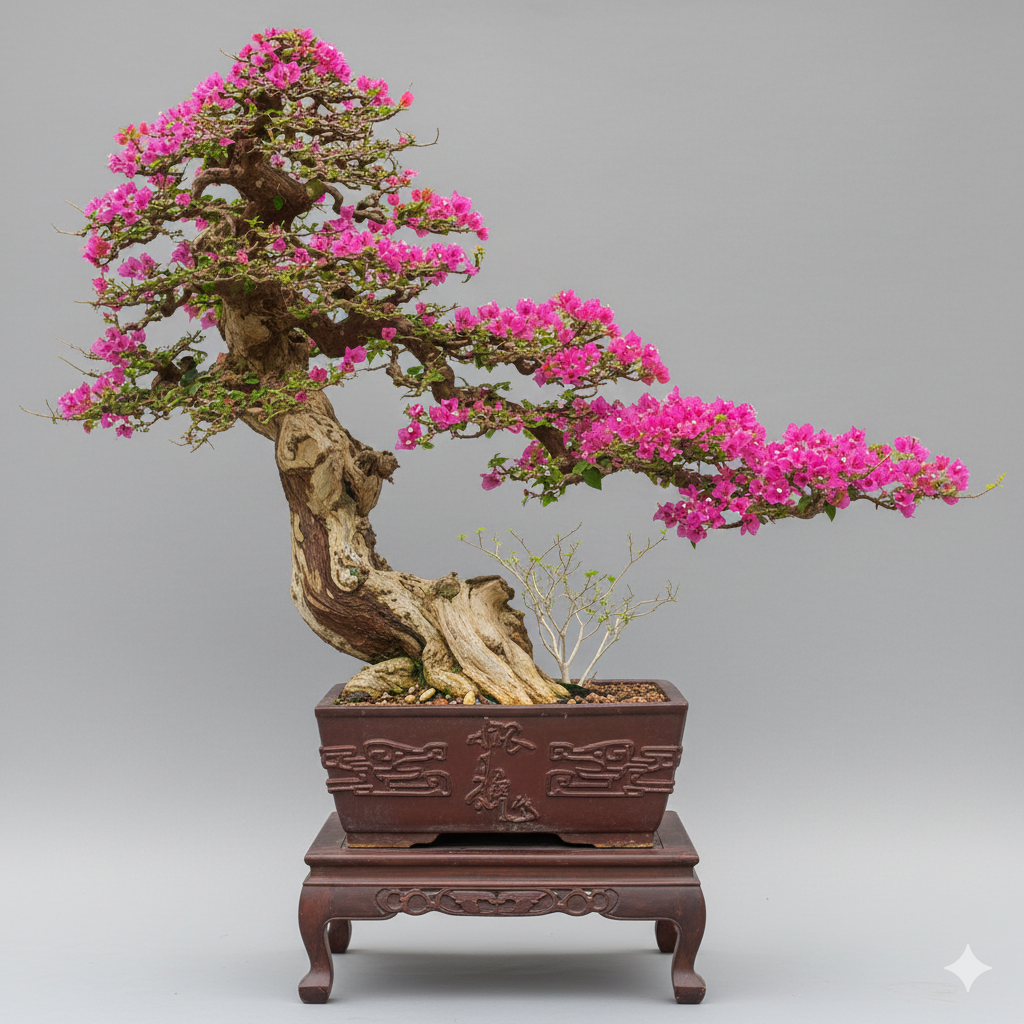
In the art of Lingnan bonsai, nothing is more precious than raw material collected from nature itself. Trunks twisted through seasons of rain and sun, roots gripping rocky outcrops and mountain slopes — these “rough drafts” from the wild are the foundation of masterpiece Lingnan bonsai imbued with the soul of heaven and earth. This guide will walk you through how to select Lingnan bonsai raw material from nature correctly, from identification criteria and suitable species to collection techniques and initial aftercare.
What Is Raw Material in Lingnan Bonsai?
Raw material (also called “stock tree” or yamadori) refers to trees collected from natural environments — forests, stream banks, cliffs, or farmland — that have not yet been shaped but already possess naturally valuable characteristics such as thick trunks, textured bark, twisted forms, or unique natural contours. In the philosophy of Lingnan bonsai, quality raw material is an irreplaceable foundation for creating works that have true “soul.”
Unlike Japanese or Northern Chinese bonsai schools where trees are often grown from seed or cuttings, Lingnan bonsai art has always placed great value on harnessing the inherent beauty of nature. A good stock tree can save decades of styling compared to nursery-grown material, because its weathered, gnarled character simply cannot be replicated artificially.
Importantly, Lingnan raw material does not have to be a rare or expensive species. Common trees like streblus, barringtonia, tamarind, ficus, and banyan — as long as they have grown in harsh enough conditions for long enough — can all become extraordinary raw material. The key lies in knowing how to look, how to choose, and how to collect at the right time.
Key Criteria for Selecting Lingnan Bonsai Raw Material
Knowing how to properly select Lingnan bonsai raw material is a core skill that any serious bonsai practitioner must master. Here are the most important criteria:
Nebari (Surface Roots)
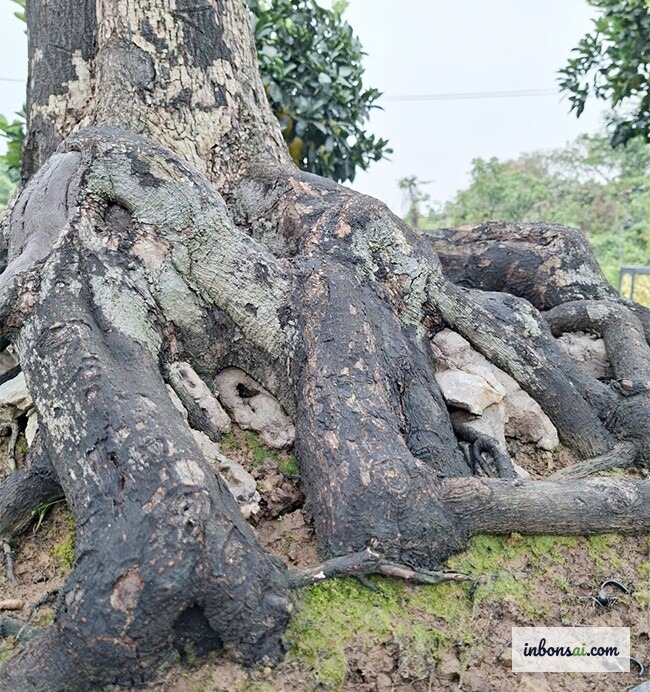
This is the first and most important factor. The base of the tree must be thick, stable, and have surface roots (nebari) spreading out evenly in all directions, giving the impression that the tree is anchored immovably to the ground. Roots that emerge above the soil surface, curve naturally, and are especially thick and healthy without signs of rot are hallmarks of high-quality raw material. Avoid trees with thin bases or roots growing in only one direction without balance.
Trunk Taper and Direction
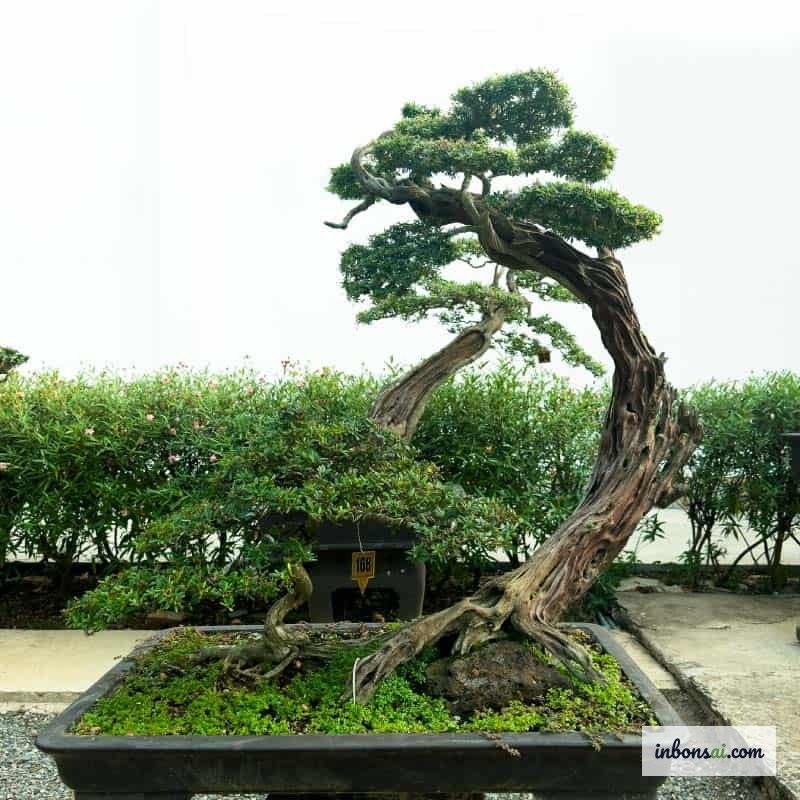
The ideal Lingnan raw material trunk must have natural taper — thick at the base narrowing gradually toward the apex. Good taper means the trunk diameter reduces evenly from base to top at a ratio of approximately 1:3 or better. Trunks that twist, turn, and carry natural scars (from rocks, wind breaks, or flood damage) are all naturally created “brush strokes” that no artist can reproduce in a short time.
Branch Distribution and Canopy
Beyond the base and trunk, branching also matters. Good raw material should have branches distributed evenly around the trunk, with the lowest branch no higher than one-third of the tree’s total height. Old branches with textured bark and fine ramification are valuable assets for developing the canopy later. Trees with too few branches or only juvenile growth from high up on the trunk will require many more years to complete.
Vitality and Health
Despite an aged appearance, raw material must be actively healthy. Check by observing the leaves (deep green, not yellowed), bark condition (no extensive peeling, no widespread fungal signs), and the flexibility of small branches (they bend without snapping brittlely). A tree actively pushing new growth is the best sign of strong vitality.
Popular Species for Lingnan Bonsai Raw Material
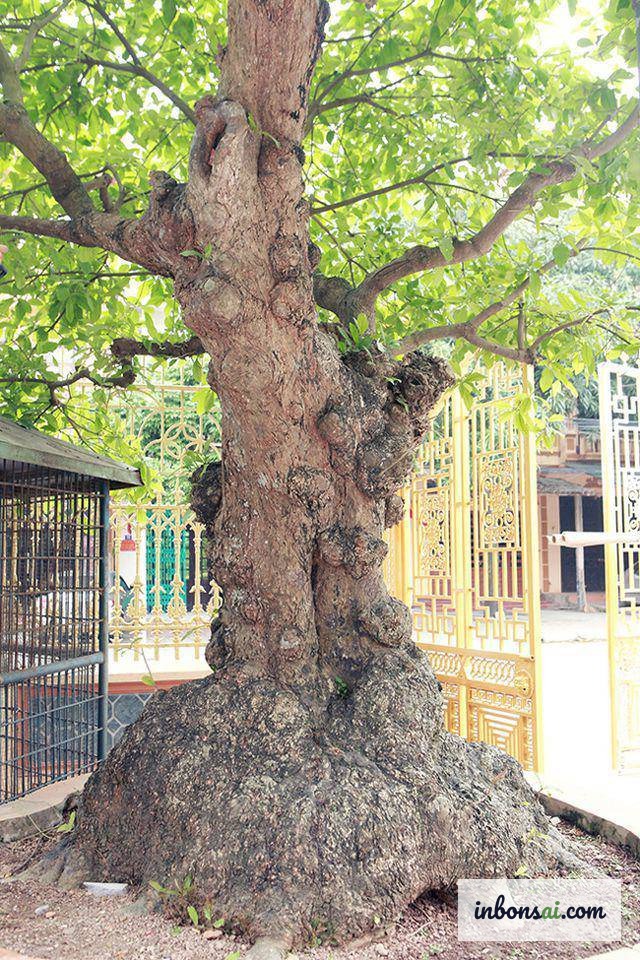
Lingnan (the land south of the Nanling Mountains) encompasses both southern China and Vietnam — where tropical and subtropical climates provide conditions for hundreds of tree species suitable as bonsai raw material. In Vietnam, these species are most popular:
Streblus asper (Duối): The king of Lingnan raw material in Vietnam. Old forest duối trees have thick trunks, richly textured bark, and beautifully rock-gripping roots. They tolerate drought well and push vigorous growth after hard pruning.
Barringtonia acutangula (Lộc vừng): Long drooping clusters of red flowers are a unique aesthetic highlight. Barringtonia trees growing along rivers and streams often develop strikingly beautiful surface roots through natural erosion processes.
Phyllanthus emblica (Me rừng): Twisted trunks with bark that naturally peels in large sections create a clear sense of age. Tiny leaves are ideal for maintaining bonsai proportion in small-scale compositions.
Ficus spp. (Si, Đa, Sanh): The Ficus family is always popular for its tenacious vitality, impressive aerial roots, and high recovery rate after collection. Ficus microcarpa (sanh) is particularly favored in Lingnan bonsai.
Lagerstroemia floribunda (Bằng lăng nước): Silver-white bark that peels in sheets, purple flowers in summer — this species produces bonsai with a distinctly tropical character.
Learn more about the history and techniques of Lingnan bonsai to understand why these species have been favored by practitioners of this school for centuries.
The Ideal Season for Collecting Raw Material
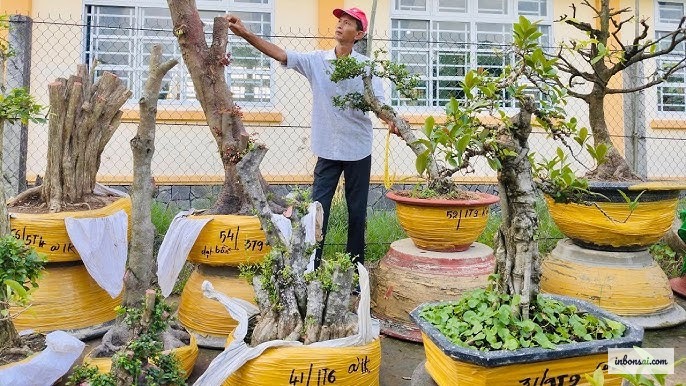
Timing of collection directly affects the survival rate of raw material. The general principle is to collect when the tree is dormant or just beginning to push new growth — when the root system is most actively recovering.
Spring (February–April): This is the golden window, especially just before or when the tree first begins pushing new shoots. The root system is accumulating energy for the new growing season and resistance is at its highest. Survival rates after spring collection can reach 70–80% with proper technique.
Early Autumn (August–September) in northern Vietnam: After the rainy season, trees have recovered from summer heat, and root systems are developing strongly in moist soil. This is the second best collection window.
Avoid absolutely: Midsummer with intense heat (above 35°C) and deep winter cold (below 15°C in the north). Trees collected during these periods typically lack the strength to recover and often die within the first one to two months.
Additionally, prioritize collecting after heavy rainfall — soft soil makes it easier to preserve the root ball with less damage to fine feeder roots.
Safe Techniques for Digging and Moving Raw Material
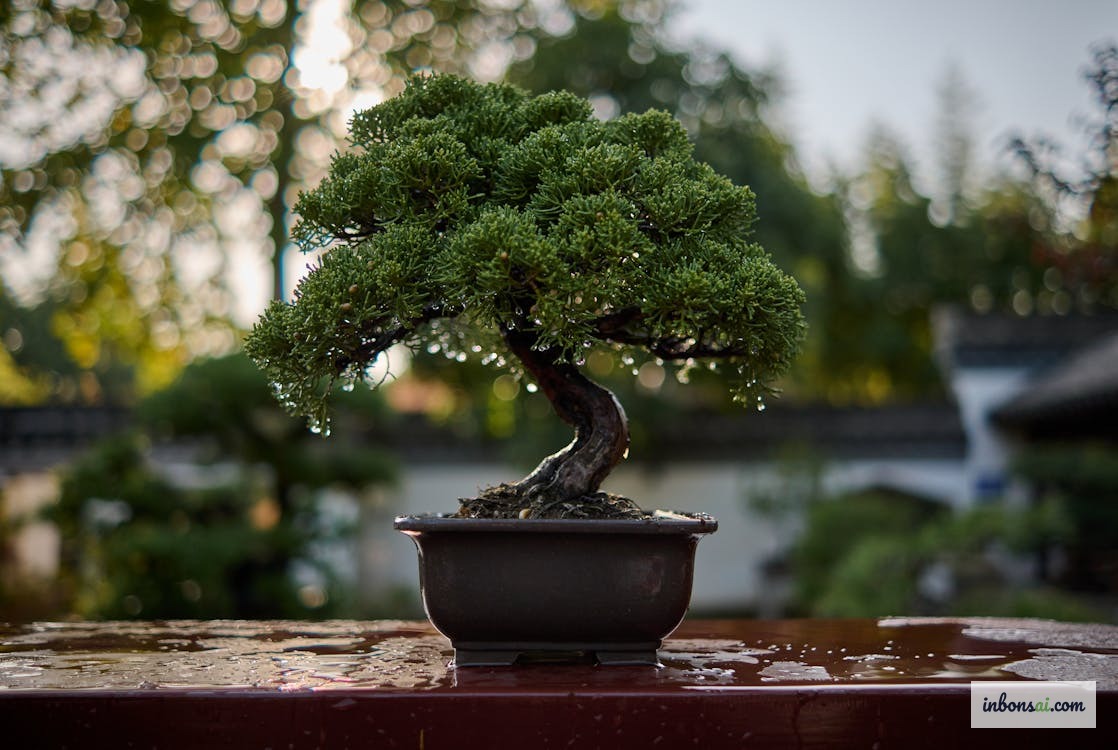
This is the step that determines survival or loss. Many bonsai enthusiasts have lost precious raw material due to improper digging and transport technique.
Preparation before digging: At least two to three weeks before collection, use a spade to cut a circle around the trunk at a distance three to four times the trunk diameter. This stimulates new feeder root growth within the area that will be retained, helping the tree stabilize after transplanting.
Correct digging technique: Dig along the cut circle, keeping the soil ball around the root system intact. Do not dig straight down toward the trunk — the taproot runs very deep and does not need to be preserved entirely. Use a hand saw to cut the main taproot cleanly at a depth of about 20–30cm; a clean cut prevents later rot.
Protecting roots during transport: Wrap the root ball in damp straw or water-soaked burlap immediately after digging. Never expose roots directly to sunlight or wind during transport. For large trees requiring long-distance transport, wrap tightly in moistened jute sacking then additionally with plastic film to retain moisture.
Pre-transport pruning: Remove 50–70% of the canopy to reduce water loss, helping the remaining root system support the tree. All cut wounds should be treated with powdered plant protectant or diluted lime wash to prevent infection.
Post-Collection Care for Raw Material
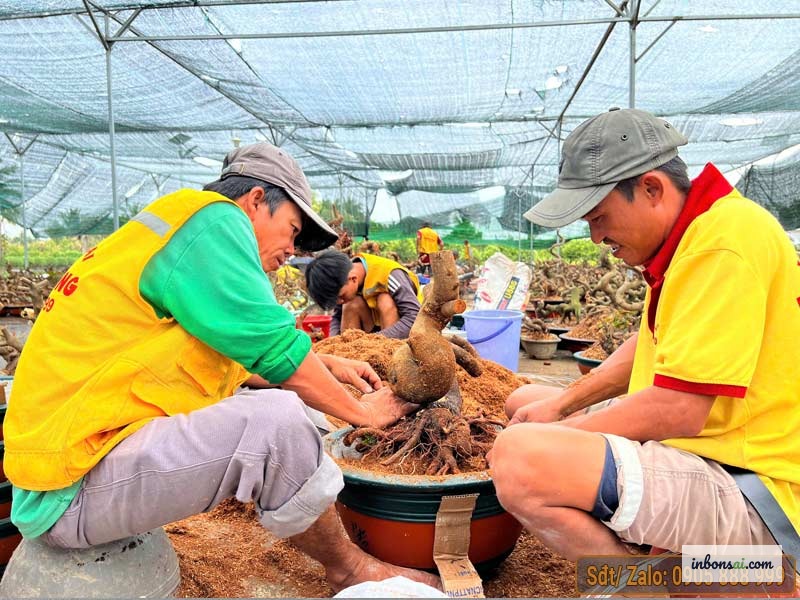
The period from when the tree arrives home until stable new growth appears (typically three to eight weeks) is the most critical phase. Correct care during this time determines 80% of the overall project’s success.
Temporary potting: Use a wide, deep plastic container with a well-draining soil mix (50% light loam + 30% carbonized rice husk + 20% coarse sand). Avoid overly rich soil — newly collected raw material needs structural stability more than nutrient density.
Placement: Position in 50–70% shade, protected from strong winds and direct heavy rain for the first four to six weeks. Once stable new growth appears, gradually introduce more light to harden the leaves.
Watering: Maintain consistent moisture without waterlogging. Check by pressing a finger into the soil — if moist at 3–4cm depth, do not water yet. Misting the canopy twice daily (morning and evening) reduces transpiration and stimulates bud break.
No fertilizer for the first two to three months: The damaged root system needs time to heal before it can absorb nutrients. Fertilizer at this stage can “burn” roots and kill the tree faster.
Therefore, be patient — Lingnan raw material trees can take up to three months to push their first flush of growth, especially old trees or those with significantly damaged root systems.
Environmental Responsibility When Collecting Raw Material
Collecting raw material from nature must be done responsibly and lawfully. Never collect trees from protected forests, national parks, or conservation areas. Over-collecting a single species or location can cause serious harm to the local ecosystem.
Only take what you genuinely need — never collect in large quantities without a concrete care plan. A conscientious bonsai artist takes only one to two trees per expedition, and ideally plants seedlings at the collection site to give back to nature.
Many modern Lingnan bonsai practitioners are increasingly transitioning to “garden-grown material” — trees raised in semi-natural conditions over many years to develop characteristics similar to wild specimens. This is a sustainable approach that is becoming more popular.
Explore Lingnan cascading style bonsai design — one of the most iconic Lingnan styles where wild-collected material can express its natural beauty to the fullest.
Knowing how to correctly select Lingnan bonsai raw material from nature is a skill that combines botanical knowledge, aesthetic vision, and accumulated field experience. No one becomes an expert overnight — every trip into the field is a valuable lesson. Start with smaller trees, learn to look and feel the latent beauty in each wild specimen, and over time you will develop the intuition of a true Lingnan bonsai artist.
Related Posts
How to Select Lingnan Bonsai Raw Material from Nature
Lingnan Bonsai: History, Origins & Distinctive Techniques

Lingnan Bonsai Grow-and-Cut Technique: A Complete Guide
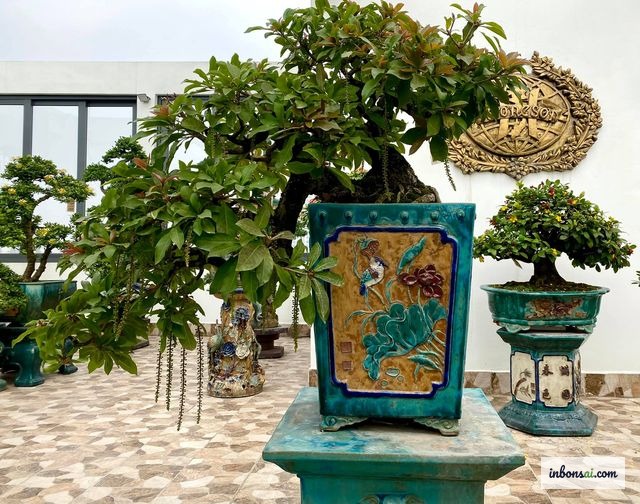
Linh Nam Bonsai Cascading Style - Step-by-Step Shaping Guide
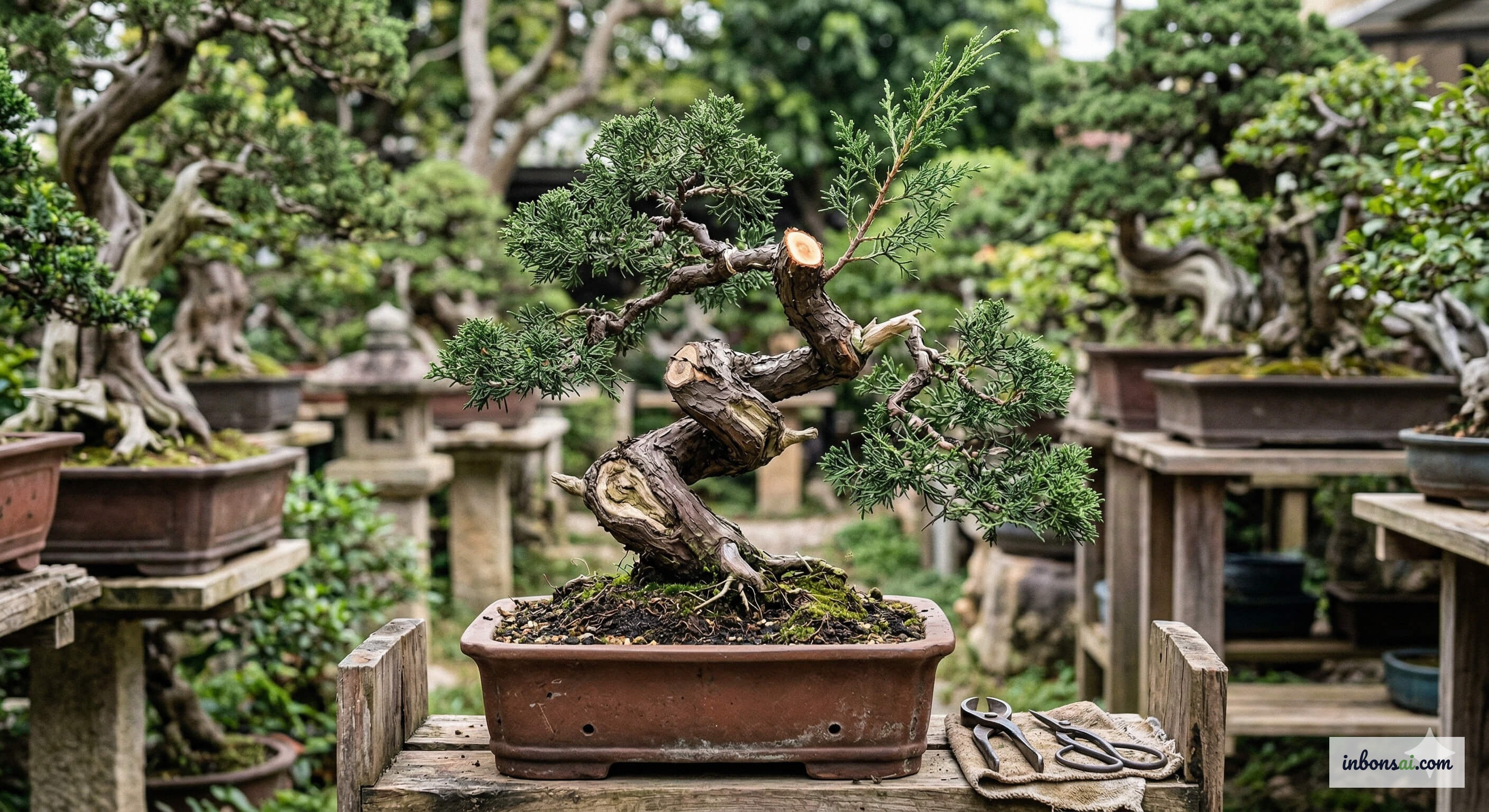
Linh Nam Bonsai Trunk Chop & Branch Keeping Technique
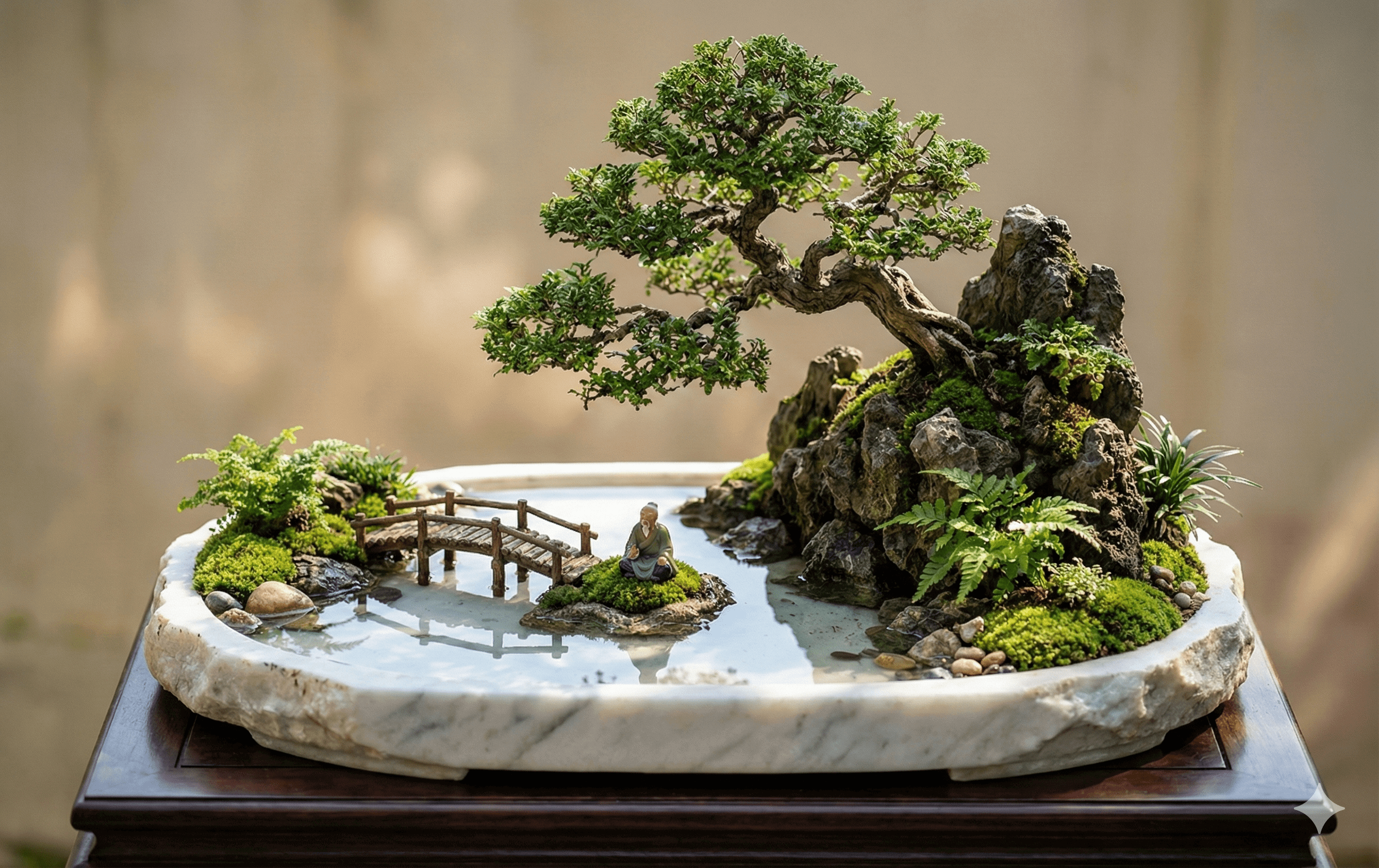
Methods for Creating Scenery for Lingnan Rockery Bonsai (Penjing)