Pemphis Acidula Bonsai Mini: How to Grow and Care
InBonsai Team
March 30, 2026 · 9 min read
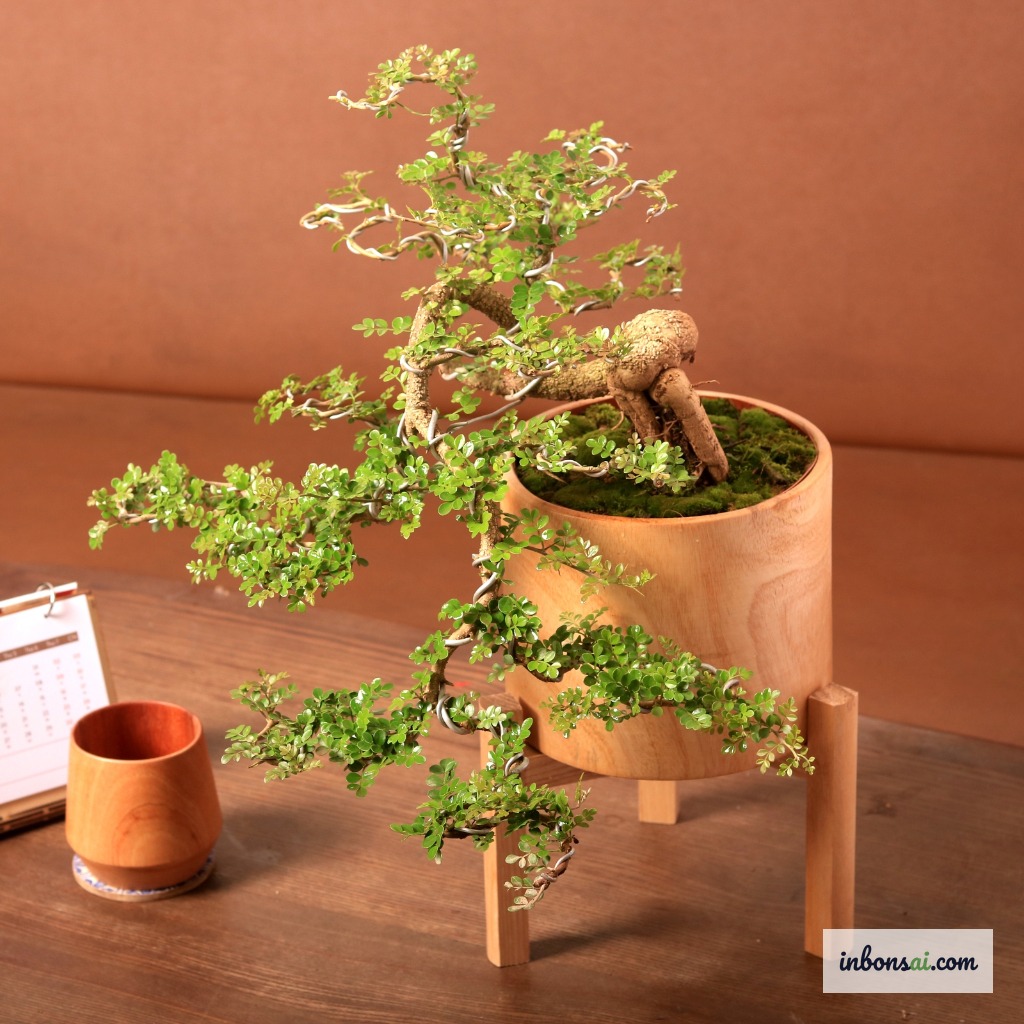
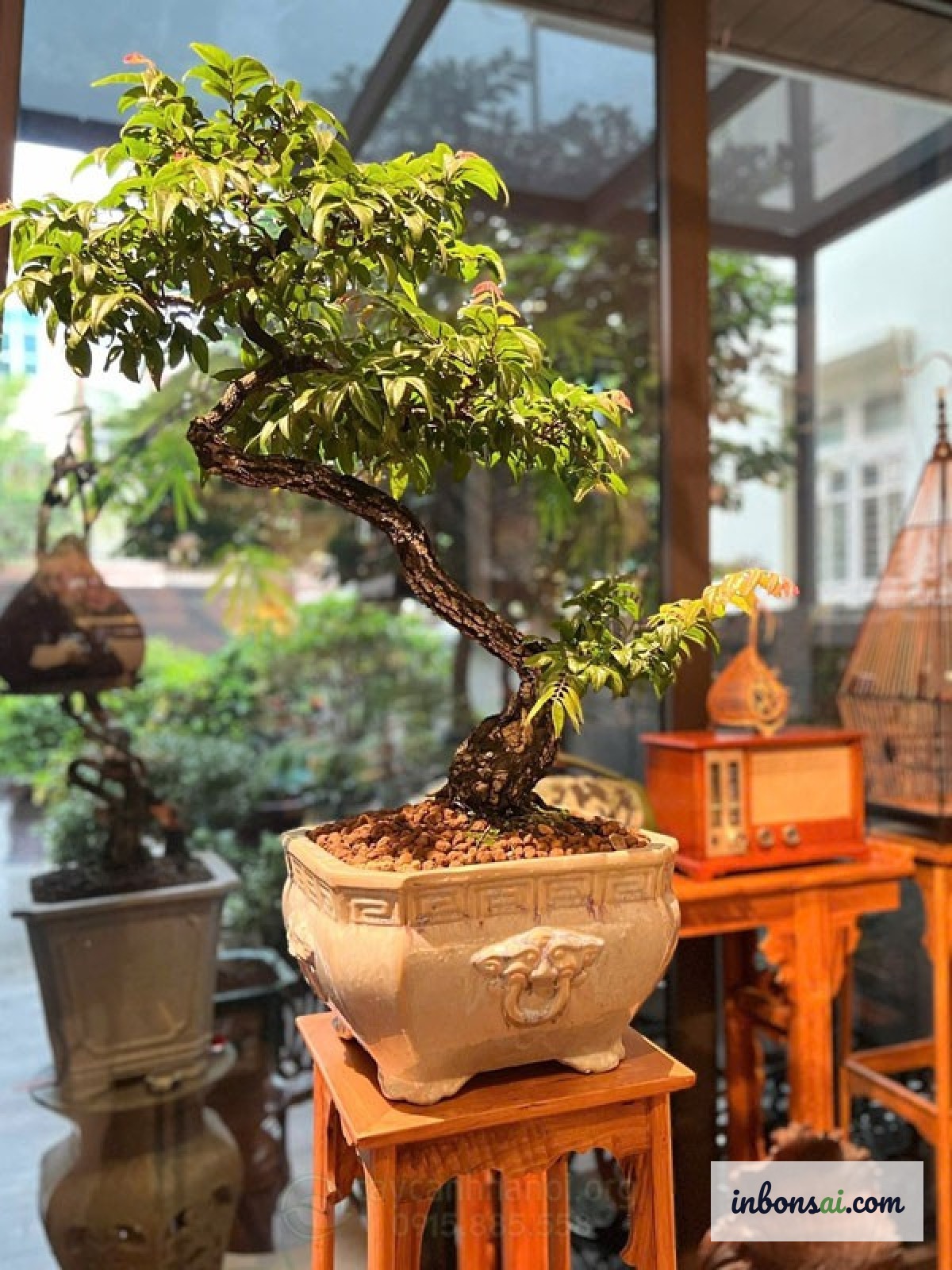
Have you heard of the species known as “the king of sea wood” in the Vietnamese bonsai world? That is Pemphis acidula bonsai mini — a coastal shrub prized for its exceptionally hard wood, naturally twisted trunk vein patterns, and tiny leaves perfect for bonsai art. Learning how to grow and care for Pemphis acidula bonsai mini attracts thousands of bonsai enthusiasts in Vietnam and beyond, because this species is rare, demands unique techniques, and rewards patience with breathtaking results. This guide will walk you through every step — from identifying the plant and choosing healthy stock, to preparing soil, watering, and shaping — so you can confidently care for this “sea treasure” at home.
What Is Pemphis Acidula Bonsai?
Pemphis acidula (Vietnamese: cần thăng) belongs to the family Lythraceae and grows naturally along tropical coastlines from East Africa and the Indian Ocean to islands throughout the Pacific — including coastal areas of central and southern Vietnam. In English it is sometimes called “Mentigi” or “Sea Pemphis.”
What makes Pemphis acidula legendary in the bonsai world is the hardness of its wood — among the hardest of any commonly cultivated bonsai species in Southeast Asia. Over decades, the trunk develops dramatic natural spiraling grain patterns and a deeply furrowed, cracking bark that conveys great age. The leaves are small, elliptical, and grow in opposite pairs, creating a naturally balanced canopy in proportion to the trunk.
In Vietnam, Pemphis acidula is collected primarily from coastal regions such as Binh Thuan, Khanh Hoa, and Phu Quoc. Due to overharvesting in the wild, many growers now propagate new plants from cuttings — an important step in preserving this rare species.
Key Characteristics of Pemphis Acidula Bonsai Mini
To keep a Pemphis acidula bonsai thriving long-term, it helps to understand its unique biology:
Extremely hard, durable wood: Pemphis wood has a very high density and resists decay even after prolonged exposure to seawater. This is why aged Pemphis bonsai can feature stunning jin (deadwood branches) and shari (exposed deadwood trunk) that last for generations without rotting.
Very slow growth rate: This is a genuinely slow-growing species. A Pemphis bonsai with a trunk diameter of 5–7 cm may already be 20–30 years old. Every specimen is a real investment.
Delicate white six-petaled flowers: During the growing season, the tree produces clusters of tiny white flowers with a mild fragrance — a rare decorative bonus in bonsai species.
Excellent wind and salt tolerance: Having evolved in exposed coastal environments, Pemphis tolerates strong winds and saline conditions better than most bonsai. In home cultivation, however, it still needs protection from dry winds and prolonged direct scorching heat.
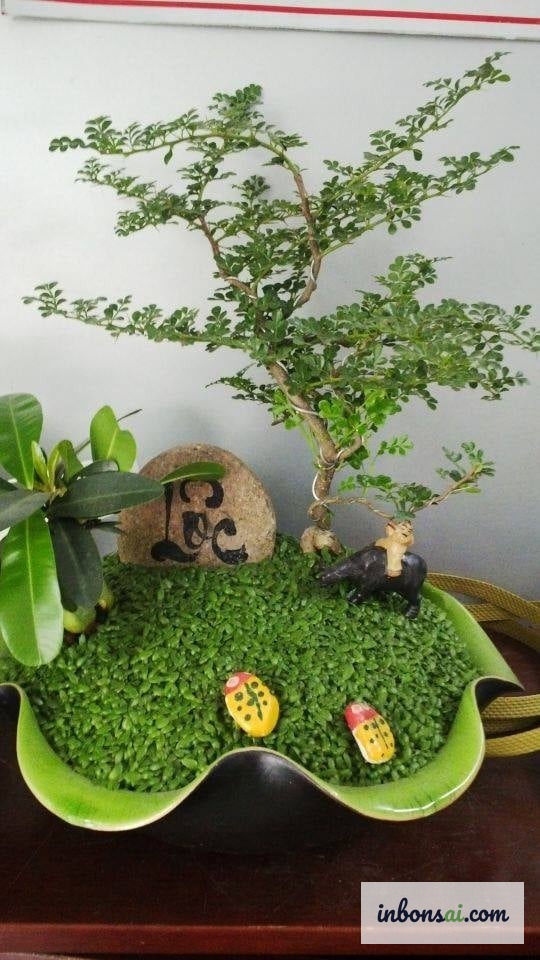
Small leaves and natural ramification: Leaves average 1–2 cm in length, elliptical, growing in symmetrically opposite pairs, producing a naturally balanced canopy that few bonsai species can match without intensive training.
How to Plant Pemphis Acidula Bonsai Mini
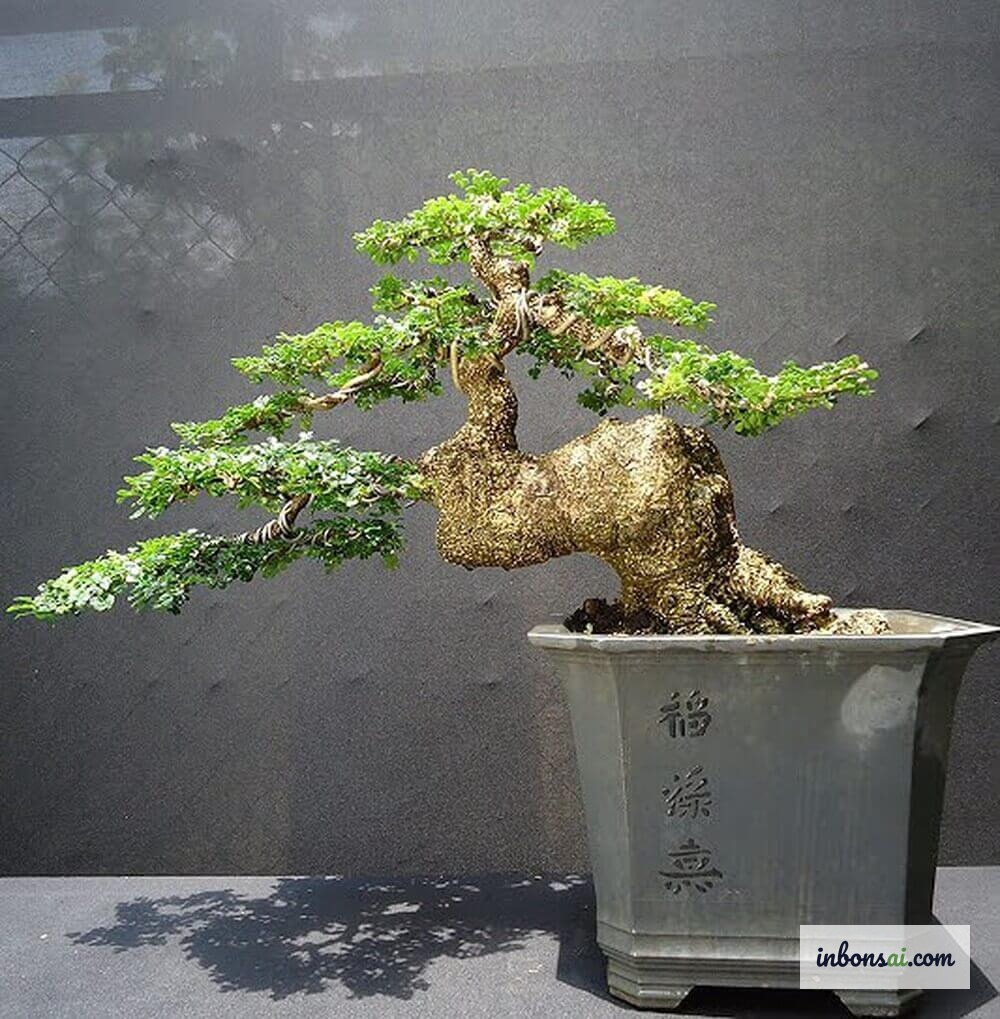
The single most important foundation step when planting Pemphis acidula bonsai mini is choosing the right soil and pot. Since this species comes from sandy coastal soils, it absolutely cannot tolerate soil that retains moisture for long.
Ideal soil mix (proportions by volume):
- 40% akadama (Japanese fired clay)
- 30% pumice
- 20% coarse sand or granite grit
- 10% lava rock
If akadama is unavailable, substitute fired clay or ceramic granules. The key is that water must drain fully within 30 seconds of watering — you can test this by pouring water into the pot and timing the drainage.
Choosing a pot: Use ceramic pots with multiple drainage holes. Shallow rectangular or oval pots (depth roughly one-third the trunk height) improve drainage and showcase the root spread. Avoid sealed plastic or glazed pots without drainage.
Planting process:
- Cover drainage holes with fine mesh to retain soil
- Add a 1–2 cm layer of coarse granite grit at the bottom
- Gently position the tree, adjusting the angle to achieve your desired composition
- Fill with soil mix and use a chopstick to work the mix into gaps around the roots
- Water thoroughly on the first day to settle the soil
For detailed step-by-step guidance, see our complete bonsai repotting guide.
Sunlight and Temperature Care
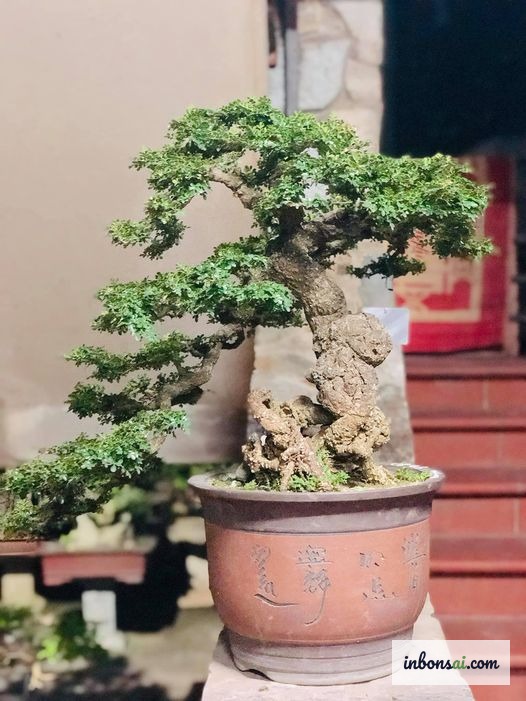
Pemphis acidula is a full-sun species — an important distinction from many popular indoor bonsai varieties. To keep leaves small and growth healthy:
Sunlight requirements:
- Ideal: 6–8 hours of direct sun daily, especially morning sun (6:00–10:00) and mild afternoon sun (15:00–17:00)
- Tolerable: Partial sun (4–6 hours), but growth slows and leaves may enlarge
- Avoid: Keeping the tree indoors with inadequate light for more than 2 weeks — it will drop leaves, weaken, and decline
For apartment growers, place the tree as close as possible to a south- or southeast-facing window, ideally on a balcony. Rotating the tree outdoors for at least 2–3 days per week gives it the light intensity it needs.
Temperature: Pemphis grows best between 22–35°C, well-suited to Vietnam’s tropical climate. It cannot tolerate temperatures below 10°C, so in northern Vietnam’s cold winters, provide adequate shelter. Air humidity above 60% is ideal; if the environment is dry, place a shallow tray of water beneath the pot to increase local humidity.
Watering and Fertilizing Pemphis Acidula Bonsai
The golden rule for watering Pemphis acidula bonsai mini is: water thoroughly, let it dry, then water again.
Seasonal watering schedule:
- Hot dry season (March–October): Water once daily in the early morning or late afternoon. On very hot days above 35°C, add a light second watering in the afternoon
- Rainy season (June–September): Reduce frequency — water only when the top 1–2 cm of soil has dried out. Pay close attention to drainage after heavy rain
- Cool dry season (November–February in northern Vietnam): Water every other day but monitor leaf condition closely
Warning signs:
- Underwatering: Leaves slightly curled, losing their sheen, tender shoots drooping → Water immediately
- Overwatering: Leaves yellowing from the bottom up, drooping despite moist soil → Reduce watering and check drainage
Fertilizing should follow the principle of “little and often”:
- Slow-release organic fertilizer (oil cake, worm castings): Apply once per month, placing granules on the soil surface to dissolve gradually with watering
- Liquid NPK 6-6-6 or 10-10-10: Diluted to one-quarter the recommended strength, applied every two weeks during the growing season (spring–summer)
- Increase potassium and phosphorus (NPK 5-10-15) in autumn to harden the tree before the dry season
- Do not fertilize during stress periods, immediately after repotting, or when the tree is diseased
Shaping and Pruning Pemphis Acidula Bonsai
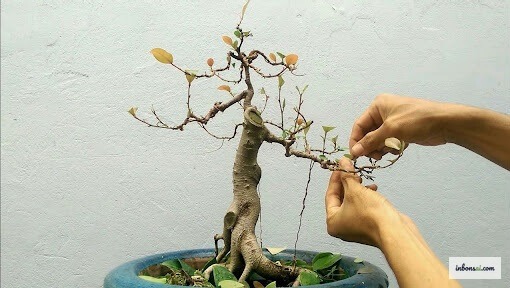
Shaping Pemphis acidula is the most challenging and rewarding part of cultivation. Its hard wood means branch manipulation requires more patience than softer species.
Pruning: The ideal time to prune is at the start of spring when new buds are just emerging. Use sharp, sterilized bonsai scissors:
- Structural pruning: Remove crossing branches, back-budding shoots, and branches that compete with the primary design
- Pinching: Pinch new shoots after 2–3 pairs of leaves develop to encourage ramification
- Never remove more than 30% of the canopy in one session — Pemphis recovers more slowly than most species
Wiring: Because of the hard wood, heavier gauge aluminum wire and more deliberate pressure are needed. Exercise great care, as branches are brittle and will snap if bent too forcefully:
- Use 2–3 mm aluminum wire for small branches
- Wrap wire at a 45° angle to the branch axis
- Bend slowly and incrementally — never force the full angle in one movement
- Check wire after 2–3 months and remove before it bites into the bark
Jin and shari techniques: Pemphis’s decay-resistant wood makes it an ideal candidate for jin (artificial deadwood branches) and shari (exposed deadwood trunk carving). Apply lime sulphur to preserved deadwood areas to protect and bleach the wood, creating a dramatic ancient appearance.
Pest and Disease Prevention
Despite being relatively disease-resistant, Pemphis acidula cultivated at home can face a few common issues:
Mealybugs: Appear as white cottony patches at leaf axils and branch joints. Treat by dabbing with 70% isopropyl alcohol or spraying with dilute soapy water combined with neem oil.
Spider mites: Usually appear when humidity is low and conditions are hot and dry. Signs include small yellow stippling on leaves and fine webbing on the undersides. Mist foliage regularly and apply biological miticide if infestation is severe.
Root rot: The most common cause of plant death, usually due to poor drainage or overwatering. Symptoms include sudden leaf yellowing and drooping despite moist soil. Remove the tree, cut away rotted roots, rinse with dilute potassium permanganate solution, let dry, and replant in fresh soil.
General prevention: Ensure good air circulation, prevent water from pooling in leaf axils or within the canopy. Spray preventively once a month with diluted neem oil solution.
Pemphis Acidula Bonsai and Feng Shui
In East Asian feng shui tradition, Pemphis acidula represents endurance, steadfastness, and lasting prosperity. Its rot-proof wood that outlasts decades of coastal battering is compared to an iron will that overcomes life’s challenges.
Symbolic meaning:
- Place Pemphis acidula in the living room or at a workspace to attract good fortune and stability in career matters
- The naturally spiraling trunk grain symbolizes flexibility and adaptability in the face of change
- White flowers represent clarity of thought and pure intentions
Auspicious placement:
- East (wood element) or Southeast (wealth sector) orientation is most favorable
- Study or home office: promotes focus, discipline, and perseverance
- Avoid the bedroom (plants absorb oxygen overnight) or kitchen (temperature fluctuations stress the tree)
If you are just beginning your bonsai journey, consider starting with our mini bonsai care guide for beginners to build foundational knowledge before tackling Pemphis acidula — a species that rewards experienced hands. If you are already comfortable with drought-adapted species, our elephant foot bonsai care guide covers similar principles for another fascinating drought-tolerant specimen.
Pemphis acidula bonsai mini is not the easiest choice for complete beginners — but with the patience, knowledge, and techniques shared in this guide, you can absolutely grow and develop a beautiful, healthy specimen at home. Your journey alongside the “king of sea wood” will be one of the most rewarding experiences in your bonsai life.
Related Posts
Pemphis Acidula Bonsai Mini: How to Grow and Care
Plumeria Bonsai: How to Grow and Care at Home
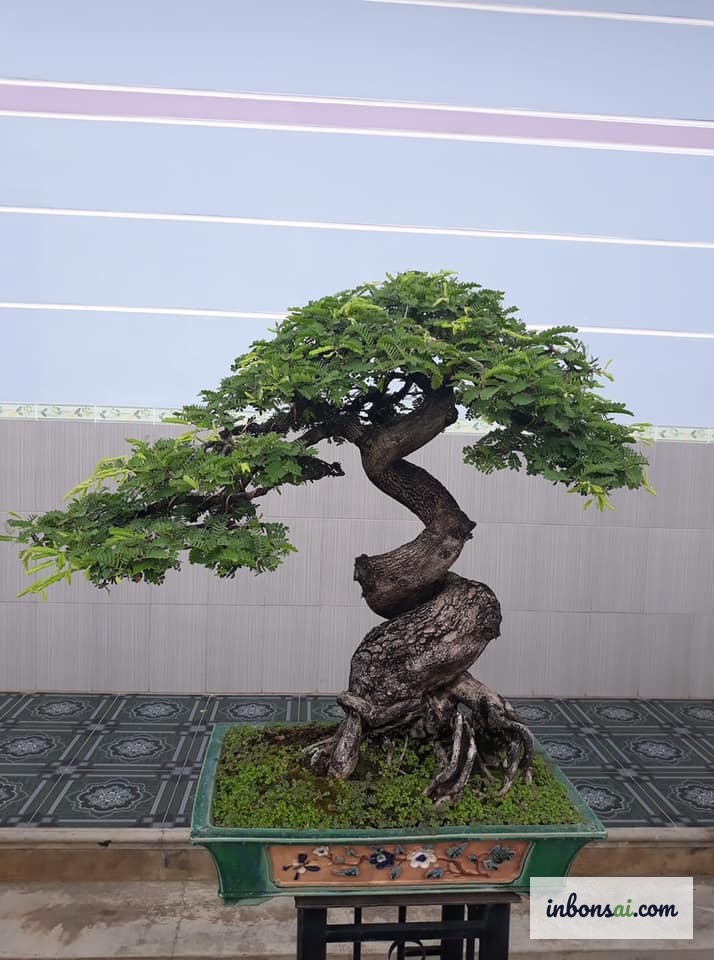
Tamarind Bonsai Mini: Complete Growing Guide
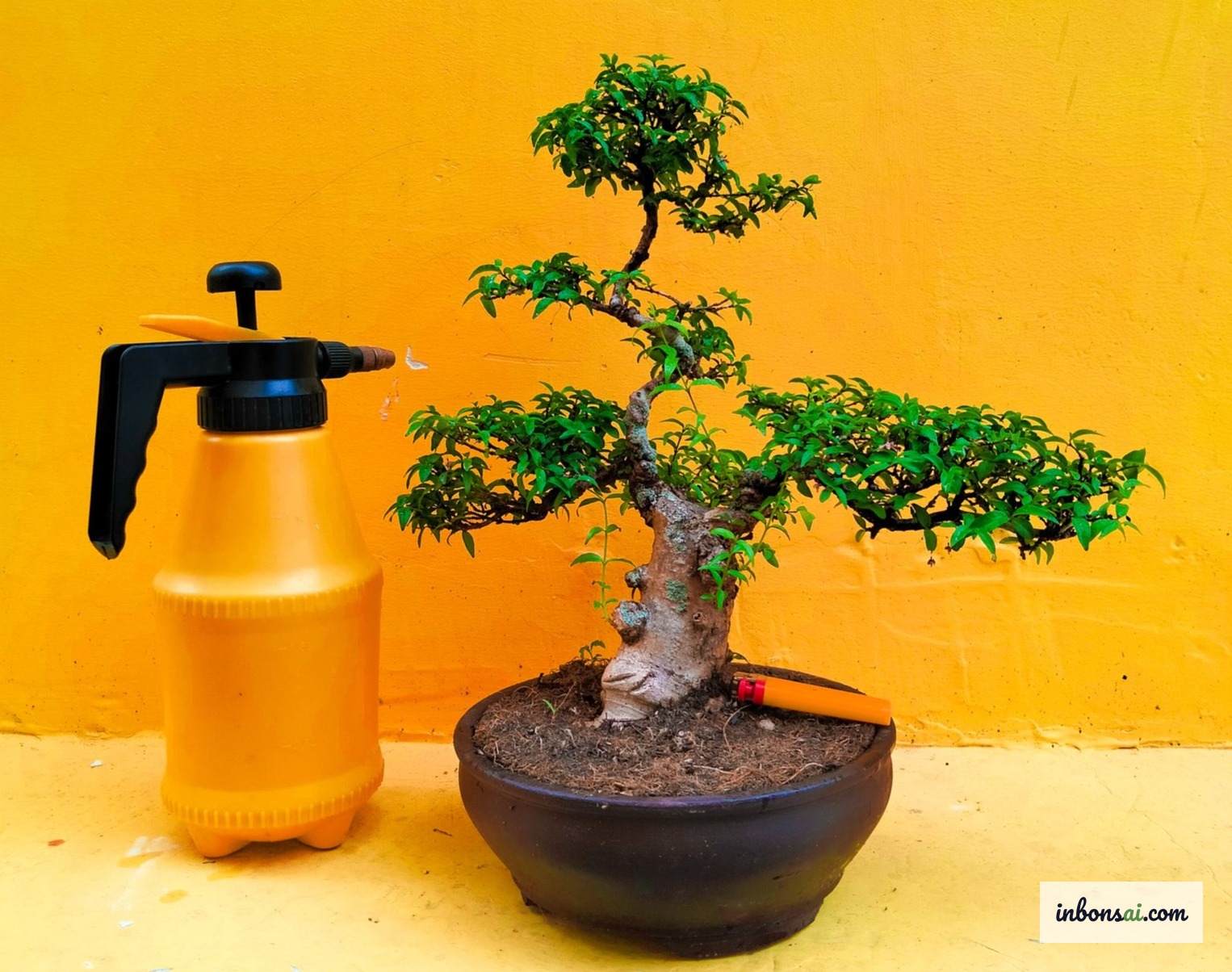
Mai Chieu Thuy Bonsai: Complete Growing & Care Guide
Ficus Bonsai Mini: Feng Shui Meaning and Care Guide
Kumquat Bonsai for Tet: Complete Growing & Care Guide
Pomegranate Bonsai Yellow Leaves: Causes & Treatment Guide