
Protecting Bonsai in Northern Vietnam's Winter: Full Guide

InBonsai Team
April 19, 2026 · 9 min read
Northern Vietnam’s winter, with its cold monsoon winds, frost, and temperatures that can drop below 10°C, is the toughest season of the year for bonsai enthusiasts. Unlike the year-round warmth of Southern Vietnam, protecting bonsai through a Northern winter requires careful preparation and an understanding of how trees behave in harsh conditions. Handle it right, and your trees will not only survive — they’ll emerge into spring stronger than ever.
How Northern Vietnam’s Winter Climate Affects Bonsai
Northern Vietnam’s winter climate is quite complex: from November through March, average temperatures range between 12–20°C, but during strong cold fronts, temperatures can fall to 5–7°C on the plains and even below freezing in northern mountain provinces like Ha Giang and Sapa.
The danger isn’t just cold temperatures — it’s the combination of cold, high humidity, and reduced sunlight. Humidity of 70–85% during winter creates ideal conditions for fungal diseases, while trees are already in a slow-growth phase with reduced resistance. Persistent dry northeastern winds also accelerate soil evaporation in pots, but roots struggle to absorb water efficiently at low temperatures.
Additionally, tropical bonsai species such as Ficus (sanh, si, bồ đề) — which lack a natural dormancy mechanism — suffer far more than temperate species like pine, juniper, or Japanese maple. Protection strategies therefore need to be tailored to each species. Understanding the climate is the foundation for making the right decisions throughout the cold season.
Sheltering and Moving Bonsai Indoors for Winter
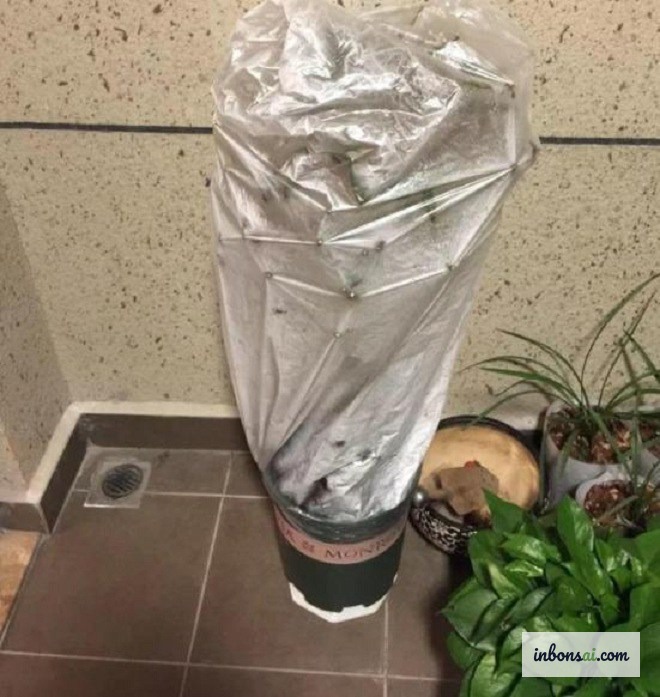
This is the single most important step in protecting bonsai during Northern Vietnam’s winter. The general rule: when temperatures are forecast to drop below 10°C or there are warnings of strong northeastern cold fronts, begin moving trees to shelter.
Choosing the right location:
-
Covered balcony or porch: Ideal for most bonsai. Trees still receive natural light and airflow, but are protected from wind and cold rain. See the guide to choosing bonsai placement to optimize light during winter months.
-
Indoors near a window: Suitable for tropical bonsai like Ficus, Lộc vừng, and Linh sam. Ensure trees are not exposed directly to air conditioning, electric heaters, or gas cookers — low humidity and sudden temperature swings are more dangerous than moderate cold.
-
Greenhouse or plastic tent shelter: The professional solution for larger collections. Maintaining interior temperatures between 15–18°C is sufficient to keep most bonsai safe through winter.
There’s no need to bring trees into an overly warm environment. Temperatures of 12–18°C are actually ideal for trees to rest and build energy reserves for spring. Excessive warmth will stimulate weak tender shoots at an inappropriate time — a common mistake among beginner bonsai growers.
Adjusting Bonsai Watering Practices in Cold Weather
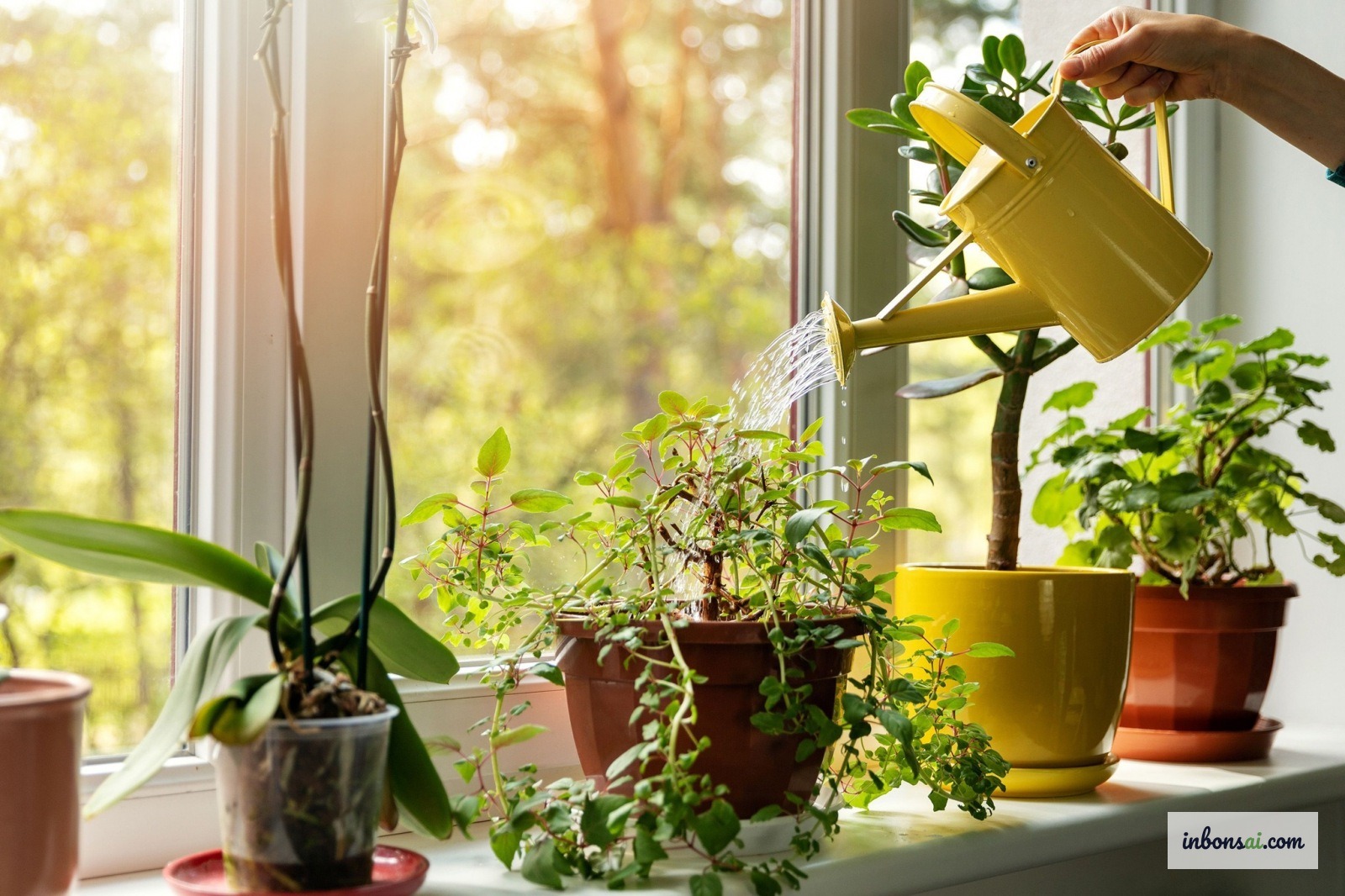
One of the most common winter mistakes is continuing to water on a summer schedule. When temperatures drop, both evaporation and root water absorption slow significantly — overwatering leads to waterlogged roots, oxygen deprivation, and root rot.
Winter watering principles:
- Check soil moisture by pressing a finger 1–2 cm into the soil. Only water when the surface is nearly dry.
- Water in the morning (8–10 AM), never in the evening — wet trees through cold nights create perfect conditions for fungal disease.
- Reduce water volume by 30–50% compared to summer. Ensure water drains completely within 5–10 minutes with no pooling in the saucer.
- Use water at room temperature — not cold water directly from tanks or wells, as sudden temperature differences cause root shock.
Avoid misting foliage in cold, humid conditions — moisture on leaves accelerates fungal growth. Instead, place a shallow water tray beneath the pot (without letting the pot sit in water) to maintain ambient humidity around the tree safely and naturally.
Fertilizing Bonsai in Winter: Less, But Right
In cold conditions, trees grow slowly or nearly stop — nutritional needs decrease significantly. Over-fertilizing when trees cannot absorb nutrients causes salt buildup in the soil, damaging roots and weakening the tree heading into spring.
Winter fertilization schedule:
-
November: Apply a final feed high in Potassium (K) to strengthen cold resistance. A low-nitrogen NPK ratio like 5-10-10 works well. Avoid high-nitrogen fertilizers entirely — they stimulate soft new growth that is vulnerable to frost damage.
-
December – February: Stop fertilizing completely. If yellowing leaves suggest nutrient deficiency, apply foliar fertilizer at very low concentration (1/4 the recommended dose) on a warm sunny day when temperatures are above 15°C.
-
Late February – early March: As temperatures warm, begin applying a light balanced fertilizer (NPK 10-10-10) to prepare for the growing season. This is a critical window — timely, correct fertilization drives explosive bud growth in spring. See how to fertilize bonsai in spring for vigorous growth.
Importantly, never fertilize after 4 PM or when soil is very dry — water lightly before applying to avoid burning roots.
Preventing Pests and Disease in Cold, Humid Conditions
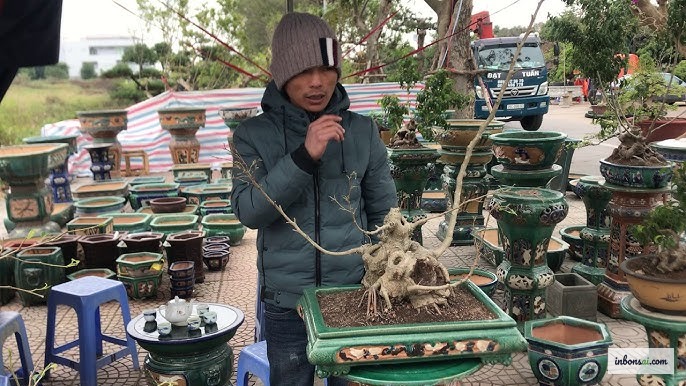
Cold, damp winter conditions create ideal conditions for fungal diseases such as powdery mildew (Oidium), root rot (Phytophthora), and leaf spot to thrive. Meanwhile, some pests like mealybugs and spider mites remain active at low temperatures — especially on trees kept indoors with air conditioning.
Effective prevention measures:
- Inspect the undersides of leaves, branch junctions, and soil surface every 1–2 weeks.
- Remove fallen leaves and decaying branches from pots immediately — these are overwintering sites for disease pathogens.
- Apply preventive fungicide (Mancozeb, Copper Hydroxide) once before winter begins (November) and once mid-winter (January) — choose a sunny day with temperatures above 15°C.
- If mealybugs are found, apply 70% alcohol directly with a swab, or spray diluted neem oil. Avoid strong pesticides when the tree is already weakened by cold.
- Ensure good ventilation around each tree — don’t pack pots too closely together, especially when kept in enclosed indoor spaces.
Also watch for cracks in bark and branches — temperature-induced expansion and contraction creates entry points for fungal infection. Diluted lime wash can be lightly applied to main trunks for protection and to prevent bark drying.
Caring for Popular Bonsai Species in Northern Vietnam
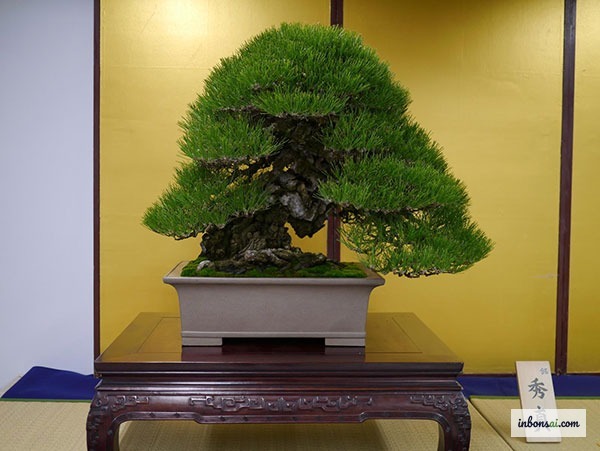
Each bonsai species has a different cold tolerance threshold. Understanding each species helps you make the right decision for every tree in your collection.
Tropical bonsai (require careful protection):
- Ficus species (sanh, si, bồ đề): Already stressed below 15°C. Move indoors when temperatures drop below 12°C. Need at least 4–5 hours of daylight to maintain minimum photosynthesis.
- Lộc vừng, Linh sam: Slightly more cold-tolerant, but still need protection when temperatures fall below 8°C.
- Bougainvillea bonsai: May drop some leaves — completely normal. Reduce watering and let the tree rest in a cool, ventilated space.
Temperate bonsai (more cold-tolerant):
- Pine, juniper, cypress: Can tolerate short periods at 0–5°C. Only need protection from wind and hail. Do not bring into a warm indoor environment — these species need cold periods for healthy natural development.
- Japanese maple (Acer palmatum): Needs cold to drop leaves and enter dormancy — this is a completely normal growth cycle. Tender new shoots should be protected from direct frost.
- Linh nam (Streblus asper): A Vietnamese native species, quite cold-tolerant and adaptable to Northern conditions. Only needs shelter during sudden cold snaps below 8°C.
Bringing a tree indoors isn’t always beneficial — for temperate species, a warm, dark room can be more harmful than moderate outdoor cold. Always understand each species’ physiological needs before making decisions.
Transitioning Bonsai Back Outdoors After Winter
The transition from winter to spring is when many trees are most vulnerable — not because of cold, but because of sudden environmental change from a protected setting to outdoor conditions. From late February, when daytime temperatures begin exceeding 18°C (but nights remain cool), follow this process:
- Gradual hardening: Bring trees outside during the day (9 AM–4 PM) and back inside at night, for 1–2 weeks before leaving them outdoors permanently.
- Inspect and refresh soil: After winter, soil is often compacted and moss may have grown heavily — lightly scratch the soil surface to improve aeration. If roots are severely crowded, this is an excellent time for repotting.
- Light pruning: Remove dead branches and wilted winter foliage. Wait until fresh buds begin to appear before undertaking major styling pruning.
- Gradually increase watering: Monitor soil and foliage closely to adjust. Trees awakening from winter dormancy need more water than during winter, but still less than summer.
For the best results year-round, protecting bonsai through Northern Vietnam’s winter must be part of a broader seasonal care strategy. See how to care for bonsai in summer to avoid heat damage — spring through summer is the period of strongest growth, requiring the right care approach to maximize the vitality built up during winter.
Summary: Keys to Helping Your Bonsai Successfully Survive Winter
Protecting bonsai through Northern Vietnam’s winter doesn’t require expensive equipment or deep expertise — the key is understanding each species’ characteristics and monitoring weather closely to intervene in time.
The essential points to remember:
- Move trees to shelter when temperatures drop below 10°C
- Reduce watering by 30–50%, always water in the morning, never at night
- Stop nitrogen-based fertilizers from December through late February
- Apply preventive fungicide twice during winter (November and January)
- Harden trees gradually when transitioning to spring — don’t move outdoors suddenly
Every winter successfully navigated makes your bonsai stronger and more resilient. See each cold season as an opportunity to develop a deeper understanding of the rhythm of life of the bonsai trees in your care — because that patient, attentive observation is what creates truly living works of art.
Related Posts
Protecting Bonsai in Northern Vietnam's Winter: Full Guide
Bonsai Autumn Care: Pruning and Fertilizing Guide
Bonsai Summer Care: Protect Your Tree from Heat
How to Prepare Bonsai for the Rainy Season in Southern Vietnam
How to Water Bonsai in Dry Season: Complete Care Guide
How to Prevent Bonsai Pests and Diseases in Hot Weather
Bonsai Care in Rainy Season: Preventing Root Rot